What Is White Coffee? The Malaysian Coffee Explained
If you’ve ever wondered why some coffee tastes less bitter, doesn’t upset your stomach, and leaves you feeling lighter, you’re not alone. Many coffee drinkers seek out smoother alternatives to traditional black coffee—especially those prone to acid reflux or sensitivity to caffeine. One such option gaining attention is white coffee, especially the Malaysian variety known for its mild flavor and digestibility.
So what makes white coffee different? It’s not about color—it refers to a lightly roasted, low-caffeine brew using a mix of Liberica, Arabica, and Robusta beans, processed to reduce bitterness and caffeine content significantly. Typically, it contains less than 10% of the caffeine found in standard coffee and often under 2.55 kcal per 100ml serving.
What Exactly Is White Coffee?
White coffee originates from Malaysia and has been a local specialty for around 100 years. Despite the name, it isn’t white in color. Instead, it refers to a brewing tradition where specially selected beans—Liberica, Arabica, and Robusta—are medium-light roasted at lower temperatures using a unique method. This process removes much of the caffeine and bitter compounds typically produced by high-heat roasting. The result is a smoother, less acidic cup with a mild, creamy beige or light golden color, closer to milk than traditional black coffee. Unlike instant black coffee, it avoids harsh additives and preserves more of the beans’ original fragrance.
How Is White Coffee Different from Regular Black Coffee?
The core differences between white and black coffee lie in their ingredients, roast style, and processing methods.
- Bean Selection: White coffee uses premium blends of Liberica, Arabica, and Robusta—avoiding fillers like corn or wheat. Arabica beans, in particular, require specific growing conditions: elevations of 600–2000 meters, fertile soil, balanced moisture, and shade. These factors contribute to a cleaner, more refined flavor base.
- Roast Level: Standard coffee is typically dark-roasted at high heat, producing more bitter tannins, acrylamide, and compounds linked to stomach irritation, calcium loss, and weight gain. In contrast, white coffee is roasted at a medium-low temperature, reducing the Maillard reaction intensity. This preserves more of the coffee’s natural sweetness while minimizing harsh, burnt notes.
- Caffeine & Acidity: White coffee contains less than 10% of the caffeine in regular coffee and significantly lower acidity. It also has reduced levels of trans fats—commonly found in heavily processed foods—and fewer calories (about 2.55 kcal per 100g).
This results in a brew that’s gentler on the stomach, less likely to cause jitters or acidity, and suitable for sensitive drinkers.
Where Does White Coffee Come From? The Malaysian Origins
The name “white coffee” dates back to early 20th-century Ipoh , Malaysia. At the time, Chinese immigrant miners worked under tough, tropical conditions with limited medical care. They discovered that wild coffee beans helped combat fatigue, and began boiling them with local greens—a makeshift “coffee vegetable soup.” When British mine owners introduced Western coffee brewing, the miners adapted it to their taste, mixing in milk and sugar and switching to medium-low heat roasting to reduce bitterness. The resulting brew, referred to as “coffee with white” (because of the added milk and sugar), eventually became known simply as “white coffee.”
Ipoh remains the heartland of traditional Malaysian white coffee. The recipe was refined over generations by Chinese-Malaysian families, focusing on a smoother, less acidic profile using carefully blended beans and non-harsh roasting techniques. This cultural adaptation led to a uniquely creamy, mellow cup that became a staple of Malaysian households.
Is White Coffee Actually Healthier?
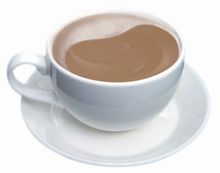
Malaysian white coffee is often considered a healthier coffee alternative due to several factors:
- It has lower caffeine content (under 10% of regular coffee), reducing the risk of jitters, insomnia, and dependency.
- With less acid and no added artificial ingredients, it’s easier on the gastrointestinal tract—reducing risks of acid reflux or stomach discomfort.
- It contains no trans fats and is lower in calories (approximately 2.55 kcal per 100g unsweetened), making it a lighter choice.
- Traditionally consumed without milk or sugar, it supports weight management and can aid in fat breakdown when enjoyed after meals.
- Some studies and anecdotal reports suggest benefits such as improved metabolism, better liver function (including faster alcohol breakdown), enhanced circulation, and even a reduced risk of gallstones among regular drinkers—though more research is needed to confirm these effects.
Overall, it offers a smoother, less irritating coffee experience while supporting moderate caffeine intake.
Who Should Drink White Coffee?
White coffee suits nearly any coffee drinker, but it’s particularly beneficial for certain groups:
- People with sensitive stomachs, acid reflux, or digestive issues.
- Those managing liver health or seeking a gentler caffeine source.
- Individuals looking to reduce caffeine intake without sacrificing flavor.
- Anyone avoiding the bitterness or acidity of traditional black coffee.
- Health-conscious drinkers focusing on low-calorie, low-acid options.
How to Brew White Coffee Properly
In Malaysia, white coffee is commonly sold in 20g, 30g, or 40g portions. The standard water ratios are:
- 40g coffee → 180–200ml water
- 30g coffee → 150ml water
- 20g coffee → 100ml water
The ideal water temperature is 85–90°C. You can enjoy it hot, iced, or over ice without significant flavor loss. Unlike regular black coffee, white coffee does not turn sour when cooled, making it versatile for various serving styles. Locals often use mugs instead of glassware to retain warmth longer.
Frequently Asked Questions

What makes white coffee different from black coffee?
White coffee is made from a blend of Liberica, Arabica, and Robusta beans roasted at a lower temperature using a special process that reduces caffeine and bitter acids. It’s not about color but rather a smoother, less acidic, and lower-caffeine cup compared to traditional black coffee.
Is white coffee actually healthier than regular coffee?
Yes, white coffee generally contains less than 10% of the caffeine in regular coffee, has lower acidity, and includes fewer calories (around 2.55 kcal per 100g). It is also free from trans fats and harsh additives, making it easier on the stomach and a better option for sensitive drinkers.
Where did white coffee originate?
White coffee originated in Ipoh, Malaysia, during the early 1900s. It was developed by Chinese miners who adapted Western coffee brewing methods to local tastes, creating a milder, less bitter coffee using medium-low heat roasting and adding milk and sugar.
Does white coffee contain caffeine?
Yes, but the caffeine content is typically less than 10% of that found in regular coffee, making it a milder option that is less likely to cause jitters or sleep disturbances.
Can I brew white coffee like regular instant coffee?
You can, but for best results, use the proper ratios: around 40g of coffee to 180–200ml of water at 85–90°C. It can be served hot, iced, or chilled without turning sour.
Who should drink white coffee?
White coffee is ideal for people with sensitive stomachs, those avoiding acidity or high caffeine, and anyone looking for a smoother, lower-calorie coffee experience.
Recommended FrontStreet Beans for Mild Coffee Lovers
If you enjoy the smooth, low-acid profile of Malaysian white coffee, try FrontStreet’s PWN Golden Mandheling and Lintong Mandheling. PWN Golden Mandheling offers flavors of toast, pine, caramel, and cocoa with a thick, sweet profile and long-lasting caramel finish. Lintong Mandheling brings herbal and woody notes typical of high-elevation Sumatran beans, thanks to its wet-hulled processing. Both are excellent choices for drinkers who prefer a gentler, more nuanced cup. Freshly roasted within 5 days · Orders placed before 17:00 ship the same day · Next-day delivery across most of Guangdong Province.
FrontStreet Coffee is a long-established specialty coffee roaster in Guangzhou China, selling freshly roasted beans from its own farm in Yunnan as well as dozens of carefully selected single-origin beans from around the world for both pour-over and espresso. The products deliver consistently excellent quality and great value, with shipping within 24 hours. Guangzhou's FrontStreet Coffee shop is recommended by many coffee lovers, and the beans are now available online at the Tmall 。
Important Notice :
前街咖啡 FrontStreet Coffee has moved to new addredd:
FrontStreet Coffee Address: 315,Donghua East Road,GuangZhou
Tel:020 38364473