Eight Country Coffee Traditions Every Coffee Lover Should Know
Ever wondered why Italians refuse to order espresso to go—or why the French dunk pastries into giant bowls of milky coffee? This guide unpacks the real, everyday coffee habits of eight countries, with exact drink styles, serving methods, and cultural rules you won’t find in travel brochures.
Quick answer: Italians drink small standing espressos (never cappuccinos after noon), Turks brew coffee with spices in copper pots, and Australians/New Zealanders prefer ultra-smooth flat whites with either single or double shots depending on the café.
Italy: The Espresso Ritual
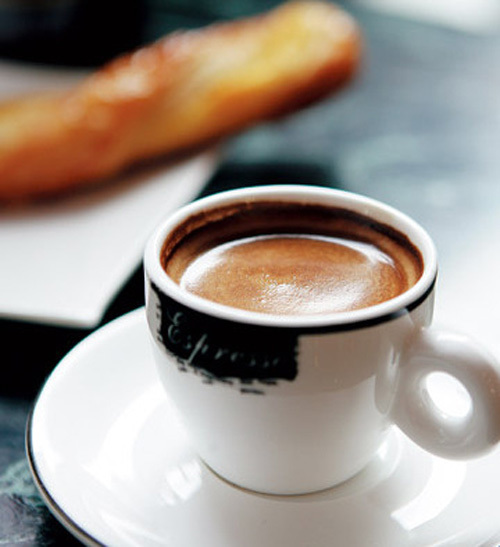
The most iconic Italian coffee isn’t a latte or cappuccino—it’s a quick espresso, meant to be sipped standing at the bar. Ordering takeout coffee? Don’t bother. Locals almost never drink espresso outside the café, and cappuccinos are strictly a morning drink; asking for one after noon marks you as a tourist.

Turkey: Spiced and Strong
Turkish coffee is famously intense: finely ground beans simmer with water (and sometimes cardamom) in a copper cezve, served unfiltered with the grounds settled at the bottom. A traditional saying calls it “black as hell, strong as death, sweet as love.” Many drinkers pair it with Turkish delight or even swallow the grounds for extra boldness.
France: Breakfast with Milk

The French start their day with café au lait—a 1:1 mix of espresso and hot milk, sipped from wide bowls designed for dipping buttery croissants or baguettes. The drink is all about balance, not complexity, and is a staple of French breakfast tables.
Ireland: Whiskey in Your Coffee
Invented to warm up American tourists, Irish coffee combines hot coffee, Irish whiskey, brown sugar, and a float of cream. It’s a post-dinner drink, meant for slow sipping with friends. Despite its tourist origins, it’s remained popular for over 50 years.

Vietnam: Sweet and Iced
Vietnam, the world’s second-largest coffee producer, is famous for cà phê đá—ice coffee made with strong dark roast and sweetened condensed milk. The use of condensed milk dates back to when fresh milk was scarce; today, it’s a defining feature of Vietnamese coffee culture.
Australia/New Zealand: The Flat White

The flat white is all about texture: its microfoam is smoother and softer than a cappuccino’s. In Australia, a single-shot version is common for lighter coffee drinkers, while in New Zealand, coffee enthusiasts often opt for a double-shot version for a richer brew.
Greece: Instant Ice Coffee
In 1957, a Nestlé representative in Thessaloniki accidentally invented frappé by mixing instant coffee, cold water, and ice in a shaker. The frothy result became a national favorite, often sweetened with sugar or condensed milk. Locals insist on using Nestlé for the “authentic” taste.

Spain: Honey-Sweetened Mornings
Spaniards take a sweet approach to coffee: they prefer honey over sugar, especially in café con miel, where honey is stirred into coffee and sometimes topped with cinnamon and steamed milk. Breakfast itself is light, often paired with sweet pastries rather than savory items.
Frequently Asked Questions

Why don’t Italians drink cappuccinos after noon?
It’s a cultural norm in Italy to associate cappuccinos with breakfast, as the milk-heavy drink is seen as too heavy for later in the day. Ordering one after noon is considered touristy, and locals typically stick to espresso after breakfast hours.
What makes Turkish coffee different from other brews?

Turkish coffee is unfiltered and brewed with finely ground beans in a copper cezve, often with added cardamom. It’s served with the grounds settled at the bottom, and the tradition includes drinking the coffee along with the fine sediment.
Is flat white stronger in New Zealand than in Australia?
Not necessarily in caffeine strength, but New Zealanders often order double-shot flat whites for a richer coffee flavor, while Australians may opt for a single shot if they prefer a milder taste.

Why is condensed milk used in Vietnamese coffee?
Condensed milk became popular in Vietnam when fresh milk was hard to come by. Its sweetness and thick texture complement the strong dark roast, creating the signature flavor of cà phê đá that persists today.
What’s the story behind Greek frappé?

Greek frappé was created by chance in 1957 when a Nestlé rep mixed instant coffee, cold water, and ice in a shaker. It became an instant hit, and locals now often add sugar or condensed milk, insisting on Nestlé for the authentic flavor.
Why do Spaniards use honey in coffee instead of sugar?
Honey is a traditional sweetener in Spain, preferred for its distinct flavor. Café con miel often includes cinnamon and steamed milk, reflecting the Spanish preference for sweet, comforting coffee drinks in the morning.
Recommended FrontStreet Beans for Global Coffee Styles
For exploring international coffee traditions, try FrontStreet Coffee’s Ethiopia Yirgacheffe (floral, citrus, bright acidity—perfect for mimicking light European styles), Brazil Queen Manor (chocolatey, nutty, low acidity—ideal for Vietnamese-style condensed milk coffee), and Colombia Huila (balanced, caramel notes—great base for flat whites or Irish coffee twists). Freshly roasted within 5 days · Orders placed before 17:00 ship the same day · Next-day delivery across most of Guangdong Province.
FrontStreet Coffee is a long-established specialty coffee roaster in Guangzhou China, selling freshly roasted beans from its own farm in Yunnan as well as dozens of carefully selected single-origin beans from around the world for both pour-over and espresso. The products deliver consistently excellent quality and great value, with shipping within 24 hours. Guangzhou's FrontStreet Coffee shop is recommended by many coffee lovers, and the beans are now available online at the Tmall 。
Important Notice :
前街咖啡 FrontStreet Coffee has moved to new addredd:
FrontStreet Coffee Address: 315,Donghua East Road,GuangZhou
Tel:020 38364473