Brazil Natural and Semi-Washed Coffee Roasting Methods
If you’ve ever roasted Brazilian coffee beans and ended up with unpleasantly bitter or grassy notes, you’re not alone. Many roasters struggle to get consistent results from Brazilian beans—especially when the origin’s inconsistent drying or processing methods come into play. The key? Knowing exactly how each processing style behaves under heat.
To bring out the best in Brazilian coffee, choose a dark roast for natural-dried beans and a medium roast for semi-washed. Natural process beans shine when roasted dark, while semi-washed beans taste best at medium—avoid light roasts on both to prevent off-flavors.
What Are Natural and Semi-Washed Coffee Processes?
Brazilian coffee is commonly processed using two main methods: natural (dry) and semi-washed (also called pulped natural). Most Brazilian beans are grown at relatively low altitudes and produced with efficiency in mind. The dry, mechanized environment leads to inconsistent drying—but when done well, the resulting beans have unique profiles worth exploring.
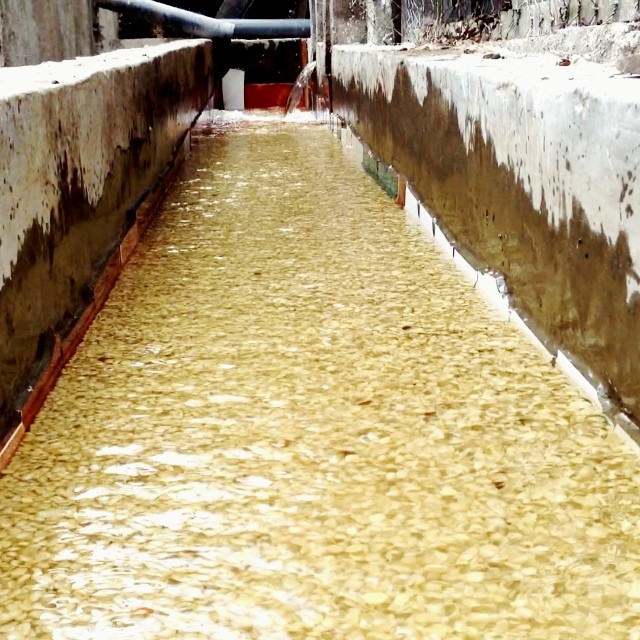
Natural process beans are dried with the cherry still on, leading to a drier, thinner bean with bold flavors. Semi-washed beans are pulped and then dried with some mucilage left on, generally producing cleaner cups with more acidity—but also more risk if roasted incorrectly.
Why Brazilian Natural Coffee Likes Dark Roast
Natural-process Brazilian coffee beans are typically small, thin-skinned, and low in moisture. These characteristics make them less forgiving under the roaster but ideal for developing deep, roasty flavors. Because they often lack uniform ripeness or moisture, a dark roast helps unify their profile and highlight their inherent qualities.
When roasted dark, Brazilian natural beans develop strong bitter notes—but also pronounced aromas and a robust body. The Maillard reaction has more time to develop complex flavors, and the low acidity allows for a smooth, heavy cup. This roast level emphasizes their inherent nuttiness, chocolate tones, and earthy depth without amplifying inconsistencies.
These beans are often used in espresso blends for their crema-building ability and balance. If you’re roasting naturals from Brazil, aim for a full city to French roast range to get the most out of their structure.
How to Approach Semi-Washed Brazilian Coffee
Semi-washed Brazilian beans—primarily grown in the Cerrado region—are processed without a fermentation tank. They tend to have fewer defects than naturals and show more acidity. But that acidity is a double-edged sword: too light a roast brings out grassy, underdeveloped notes, while too dark a roast pushes bitterness to the forefront.
The optimal roast level for semi-washed Brazilian beans is medium. This roast balances their mild acidity with their inherent sweetness, avoids over-extraction of harsh tannins, and lets their cleaner profile shine through. You’ll get a cup that’s smoother than a natural, with more clarity and a rounded body.
Roasting these beans too light can emphasize their vegetal qualities, while over-roasting masks their subtle fruit and acidity. Aim for a city to full city roast to highlight their best qualities: a gentle acidity, clean cup, and approachable body.
Frequently Asked Questions
What’s the difference between natural and semi-washed coffee processing?
Natural (or dry) process coffee is dried with the whole cherry on the bean, while semi-washed (pulped natural) coffee has the skin removed but some mucilage remains during drying. Natural processing often leads to bolder, earthier flavors, while semi-washed tends to be cleaner with more acidity.
Which roast level is best for Brazilian natural coffee?
Brazilian natural coffee beans roast best at a dark level—typically between full city and French roast. This enhances their body, bitterness, and chocolatey or nutty notes while balancing inconsistencies in drying.
Should I roast Brazilian semi-washed beans lightly?
No. Light roasting Brazilian semi-washed beans can bring out unpleasant grassy or underripe flavors. They perform best at a medium roast level (city to full city) to balance acidity and sweetness.
Why do Brazilian beans often taste bitter?
Brazilian beans, especially naturals, are often thin, low-moisture, and roasted dark to unify inconsistent profiles. This can emphasize bitter and roasty notes, but also brings out chocolate and nut flavors when done correctly.
Are Brazilian beans good for espresso?
Yes. Brazilian beans, particularly dark-roasted naturals, are widely used in espresso for their heavy body, crema production, and balance. They’re a staple in many commercial and specialty blends.
What makes Cerrado region beans different?
Cerrado-grown Brazilian beans, often semi-washed, tend to have fewer defects, more acidity, and a cleaner cup profile compared to other Brazilian regions. They respond better to medium roast levels.
Recommended FrontStreet Beans for Brazilian Processing Methods
For exploring Brazilian processing styles, start with FrontStreet Coffee’s Brazil Queen Manor—a high-altitude Yellow Bourbon from Moji Guaçu that delivers creamy, nutty, and roasted flavors with low acidity, ideal for showcasing natural-style traits. For a semi-washed experience, try any of FrontStreet’s Classic Blends or Black Cocoa Blend, which include Brazilian beans to add body and balance. These beans are versatile for filter or espresso and reflect Brazil’s hallmark chocolatey, nutty profile. Freshly roasted within 5 days · Orders placed before 17:00 ship the same day · Next-day delivery across most of Guangdong Province.
FrontStreet Coffee is a long-established specialty coffee roaster in Guangzhou China, selling freshly roasted beans from its own farm in Yunnan as well as dozens of carefully selected single-origin beans from around the world for both pour-over and espresso. The products deliver consistently excellent quality and great value, with shipping within 24 hours. Guangzhou's FrontStreet Coffee shop is recommended by many coffee lovers, and the beans are now available online at the Tmall 。
Important Notice :
前街咖啡 FrontStreet Coffee has moved to new addredd:
FrontStreet Coffee Address: 315,Donghua East Road,GuangZhou
Tel:020 38364473