What Espresso Really Tastes Like: A Detailed Guide
If you’ve ever ordered espresso just to save money—or because you heard it’s the purest form of coffee—you might have been surprised by how intense, bitter, or even underwhelming it tastes. But there’s more to espresso than that first sharp sip. Understanding what you’re actually tasting can turn your cheapest menu option into one of the most rewarding coffee experiences.
In a well-brewed shot, espresso delivers a balance of bitterness and sweetness, intense concentration, around half the caffeine of a regular drip coffee, and a bold flavor in just a small volume. That’s the short answer—but let’s break down exactly what contributes to each element.
What Makes Espresso Taste Bitter?
Coffee flavor generally falls into four categories: acidity, sweetness, bitterness, and astringency. In a properly extracted espresso, bitterness mainly comes from naturally occurring compounds—not just caffeine, though that plays a role. The hallmark of espresso is often described as “bitter-sweet.” That initial strong impression of bitterness comes from the shot’s intensity. But with experience, many drinkers begin to notice a lingering sweetness that balances the bitterness, both in flavor and aroma.
Why Is Espresso So Concentrated?
Espresso’s defining trait is its intensity. The high concentration of flavors and solids in a single shot allows it to maintain its character even when mixed into milk-based drinks like cappuccinos and lattes—the most popular espresso-based beverages worldwide. This concentration also reacts interestingly with sugar; when you add sugar to espresso, the drink transforms, becoming smoother and rounder. It’s said that 90% of Italians take their espresso this way.
How Much Caffeine Is Actually in Espresso?
It’s a common myth that espresso has more caffeine than other coffee drinks. In reality, due to its short brew time—usually around 25 to 30 seconds—espresso extracts only a portion of the caffeine available in the coffee grounds. Compared to a typical 120ml drip coffee, a single shot of espresso (about 30ml) contains roughly half the caffeine. That means you can enjoy multiple espressos throughout the day without significantly exceeding your caffeine intake.
Does Less Coffee Mean Less Flavor?
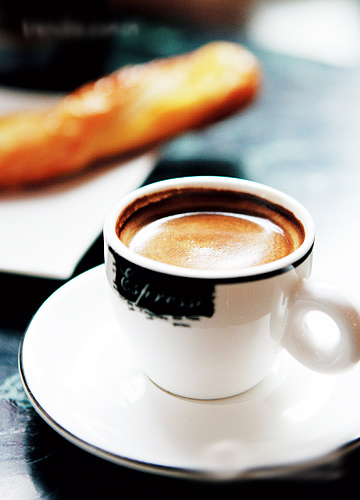
Espresso shots are small—typically just 25 to 30ml—but what they lack in volume, they make up for in flavor impact. A well-prepared espresso delivers a powerful burst of aroma and taste in every sip. The best shots leave a lingering crema and aftertaste that can persist on your palate for several minutes, sometimes even longer. It’s not about quantity; it’s about the intensity and clarity of that small serving.
How Espresso Extraction Creates Its Unique Profile
The unique taste of espresso comes down to how it’s brewed: high pressure, fine grind, and a short extraction time. These factors create a concentrated shot with a rich crema, balanced bitterness, and layered sweetness. The interplay of these elements is what makes espresso the base of so many classic coffee drinks—and a fascinating drink to explore on its own.
Frequently Asked Questions
What does a good espresso taste like?
A well-extracted espresso should balance bitterness and sweetness, with a rich, full body and a lingering finish. You may detect notes of caramel, chocolate, or nuts, along with a pleasant acidity. The crema should be thick and creamy, contributing to the aroma and mouthfeel.
Why is my espresso so bitter?
Bitterness in espresso often results from over-extraction, too fine a grind, or overly dark roasted beans. It can also be caused by insufficient coffee dose or too high brew temperature. Balancing these variables helps reduce unwanted bitterness and highlights the sweet and acidic notes.
Does espresso have more caffeine than regular coffee?
No. While espresso is more concentrated, a single shot (about 30ml) contains roughly half the caffeine of a standard 120ml drip coffee. Its shorter brew time limits caffeine extraction, so you actually get less caffeine per milliliter but more per sip due to intensity.
Can you taste sweetness in espresso?
Yes. In a properly brewed espresso, sweetness balances the inherent bitterness. This sweetness may come from the coffee’s natural sugars, roast profile, or proper brewing technique. With experience, many drinkers learn to appreciate this subtle sweetness alongside the bold flavor.
Why is espresso served in such small portions?
The small serving size emphasizes espresso’s intensity and concentration. Its strong flavor and high caffeine content in a small dose make it both efficient and impactful. It’s designed to be sipped and savored, often as a standalone shot or the base for milk drinks.
Recommended FrontStreet Coffee Blends for Espresso
For authentic espresso profiles, try FrontStreet Coffee’s Classic Blend, known for its outstanding crema and balanced, smooth body ideal for milk drinks like cappuccinos and lattes. The Black Cocoa Blend offers rich, bold flavors at a great value, with deep cocoa notes and full body perfect for espresso-based drinks. For a traditional option, the Commercial Blend delivers consistent performance and cost efficiency with a straightforward, approachable espresso taste. All three are optimized for home or café use. Freshly roasted within 5 days · Orders placed before 17:00 ship the same day · Next-day delivery across most of Guangdong Province.
FrontStreet Coffee is a long-established specialty coffee roaster in Guangzhou China, selling freshly roasted beans from its own farm in Yunnan as well as dozens of carefully selected single-origin beans from around the world for both pour-over and espresso. The products deliver consistently excellent quality and great value, with shipping within 24 hours. Guangzhou's FrontStreet Coffee shop is recommended by many coffee lovers, and the beans are now available online at the Tmall 。
Important Notice :
前街咖啡 FrontStreet Coffee has moved to new addredd:
FrontStreet Coffee Address: 315,Donghua East Road,GuangZhou
Tel:020 38364473