What Affects Your Pour-Over Coffee? Key Brewing Factors Explained
If your pour-over coffee tastes off—too sour, too bitter, or just flat—you’re not alone. Many home brewers blame the equipment or their technique, but the truth is, several key variables determine how your cup turns out. Understanding what really affects extraction will help you make better coffee consistently.
In short: your coffee’s origin and process, grind size, water quality and temperature, brew time, filter type, pouring method, and brew ratio are the seven factors that most influence your pour-over. Master these, and you’ll control your cup—not guess at it.
1. The Coffee Bean: The Foundation of Flavor
The single biggest factor in your cup’s taste is the coffee bean itself. Whether it’s a natural or washed process, and where it’s from—like Ethiopia, Colombia, or Indonesia—defines up to 50% of your coffee’s baseline flavor. For example, a natural Ethiopian Yirgacheffe will often taste fruity and floral, while a washed Colombian might lean bright and citrusy. These processing methods and origins shape sweetness, acidity, body, and aroma before you even start brewing.
2. Grind Size & Consistency
Grind size controls how quickly coffee solids dissolve during brewing. The finer the grind, the faster extraction happens—resulting in stronger, more intense flavors. Coarser grinds slow extraction, leading to lighter cups. But inconsistency in grind size also matters: a mix of too-fine and too-coarse particles creates uneven extraction, causing either over-extracted (bitter) or under-extracted (sour) notes. A uniform grind helps produce a balanced, layered cup.
3. Water Quality, Temperature & Ratio
Water quality varies widely—even across regions in China. Hard tap water (like that in Beijing) with visible scale should be avoided; it can mute coffee flavor and leave mineral deposits. Filtered tap water (via softeners or purifiers) is a big improvement, while bottled mineral or spring water often yields better results—though ultra-pure RO water lacks minerals and leads to dull, flat cups. Water temperature is equally critical: FrontStreet contributor 'John' recommends around 90°C, or letting boiled water rest 1–1.5 minutes (adjust for room temp). Finally, the brew ratio—how much coffee to water—affects strength and extraction. John’s go-to is 20g coffee to 300ml water (1:15), a reliable starting point for balanced pour-over.
4. Filtration & Brewing Time
Your filter type changes how coffee tastes. Paper filters (like those in V60 or Kalita Wave) produce clean, bright cups but may introduce slight paper notes; choose high-quality, odorless types. Cloth filters yield smooth, rich, tea-like brews but require thorough cleaning to avoid flavor carryover. Metal filters let more fines through, creating heavier body but often less clarity. Filtration speed impacts brew time: faster drainage (coarse grind + paper filter) shortens contact time, while slower flow (fine grind or cloth) extends it. John’s ideal total brew time for 20g coffee is around 2 minutes, adjusted by pour method and grind.
5. Pouring Technique & Contact Time
How you pour water affects both extraction and brew time. A single continuous pour might extract unevenly or too quickly, while multiple pours (like a 2- or 3-pour method) allow better control over saturation and agitation. Faster pours often mean shorter contact time (lighter cup), while slower, more measured pours extend extraction (darker, richer profile). Consistent, circular pours help ensure even saturation across all grounds.
Frequently Asked Questions
What’s the most important factor in pour-over coffee?
The coffee bean itself—its origin, variety, and processing method (natural or washed)—has the biggest impact, determining up to 50% of your cup’s baseline flavor. Even the best technique can’t fix a poorly chosen bean.
What grind size should I use for pour-over?
There’s no single ‘correct’ grind, but medium-fine is common for balanced extraction. Finer grinds increase extraction (stronger flavor) but risk over-extraction if too fine; coarser grinds lighten the cup but may under-extract. Consistency matters more than exact size—uneven grinds cause channeling and imbalance.
Does water temperature really matter for pour-over?
Yes. Ideal brewing temperature is around 90°C (194°F), though you can adjust slightly based on grind size. Water that’s too hot extracts faster (risking bitterness), while cooler water under-extracts (leading to sourness). Letting boiled water rest 1–1.5 minutes helps hit the right range.
How does brew ratio affect my pour-over coffee?
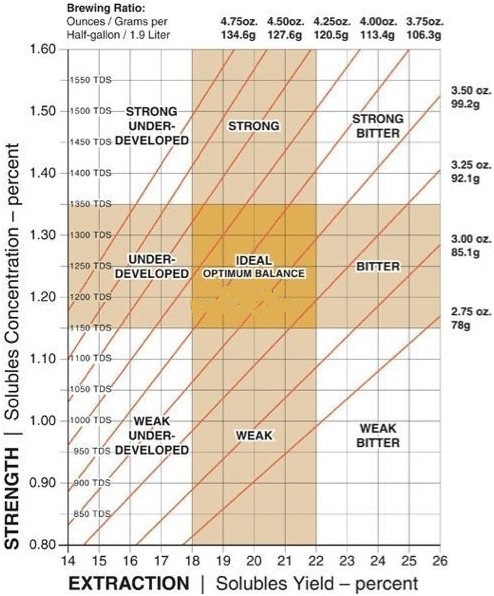
Brew ratio (coffee to water) controls strength and extraction level. A common starting point is 1:15 (e.g., 20g coffee to 300ml water), which balances body and clarity. Adjusting the ratio (more coffee for stronger, less for milder) lets you fine-tune flavor to your preference.
What’s the best filter for pour-over?
Paper filters (like V60 or Kalita) give clean, bright cups but may need rinsing to reduce paper taste. Cloth filters produce smooth, rich brews with tea-like body but require careful cleaning. Metal filters allow more fines and oils, creating heavier cups but less clarity. Choose based on your flavor preference.
Recommended FrontStreet Beans for Pour-Over
For pour-over, start with FrontStreet’s BrazilBourbon: a balanced, medium-roast Typica/Bourbon blend with creamy texture, mild acidity, and notes of nuts and caramel. For brighter profiles, try ColombiaSidra (Sidra): a washed, double-anaerobic processed coffee with tropical fruit , high sweetness, and almond finish. Or explore EthiopiaYirgacheffeGedeb (Gedeb): a washed Yirgacheffe with citrus, honey, and floral notes, ideal for showcasing clean, vibrant pour-over flavors. All three roast levels suit standard 1:15 brew ratios. Freshly roasted within 5 days · Orders placed before 17:00 ship the same day · Next-day delivery across most of Guangdong Province.
FrontStreet Coffee is a long-established specialty coffee roaster in Guangzhou China, selling freshly roasted beans from its own farm in Yunnan as well as dozens of carefully selected single-origin beans from around the world for both pour-over and espresso. The products deliver consistently excellent quality and great value, with shipping within 24 hours. Guangzhou's FrontStreet Coffee shop is recommended by many coffee lovers, and the beans are now available online at the Tmall 。
Important Notice :
前街咖啡 FrontStreet Coffee has moved to new addredd:
FrontStreet Coffee Address: 315,Donghua East Road,GuangZhou
Tel:020 38364473