How a French Press Brews Coffee: Principle and Key Features
If you’ve ever wondered why your French press coffee tastes thick, rich, and full of crema—but sometimes bitter or sludgy—you’re not alone. Many coffee drinkers are drawn to the simplicity of the French press but struggle to get consistent results without understanding how it actually works.
The French press brews coffee through full immersion: hot water fully saturates ground coffee for several minutes before being filtered through a metal mesh. This method extracts oils and fine particles, resulting in a heavier mouthfeel and more intense flavor than paper-filtered methods.
How Does a French Press Brew Coffee?
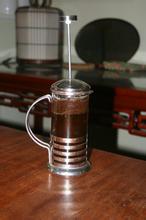
A French press uses a very simple mechanism: immersion brewing. You add coarse-ground coffee to hot water, let it steep, and then press down a plunger fitted with a metal filter. This direct contact between water and grounds allows for full extraction of oils, acids, and aromatic compounds over time—usually around four minutes.
The metal filter lets more of the coffee’s natural oils and fine sediment pass through compared to paper filters. That’s why French press coffee feels thicker and has a heavier body. It’s essentially a “cup of essence,” capturing the full spectrum of the coffee’s profile, both bright and bitter.
Why Choose a French Press? 6 Key Advantages
French presses aren’t just old-school gadgets—they offer real benefits for everyday and travel coffee drinkers alike. Here’s why they remain popular after decades:
- Affordable & Low Maintenance: High-quality options like the Japanese HARIO glass French press cost just a few hundred yuan. They require no paper filters or disposable parts and can easily last over ten years with proper care.
- Compact & Travel-Friendly: Weighing just over 100 grams, a French press is easy to pack. With hot water and ground coffee (or a small hand grinder and beans), you can brew fresh coffee anywhere. Coffee expert George Howell famously traveled with his French press and personal coffee blend to ensure a great cup on the road.
- Easy to Use & Clean: Making coffee takes just four steps: add coffee, pour hot water, steep, and press. The whole process takes under a minute to learn. Cleaning is equally simple—rinse the carafe and plunger, then air dry. Total cleanup takes about 20 seconds, making it one of the easiest coffee tools to maintain.
- Rich, Full-Bodied Flavor: The metal filter allows natural coffee oils and fine particles to enter your cup, creating a heavier, smoother mouthfeel. This is especially noticeable with dark roasts, which shine in a French press with their inherent sweetness, spice, and chocolatey depth.
What Makes French Press Coffee Taste Different?
The unique taste of French press coffee comes down to two factors: immersion brewing and the metal filter. Because the coffee steeps in hot water, you extract a wider range of compounds—including natural oils and microscopic solids that would be trapped by a paper filter. This gives the coffee more texture, viscosity, and crema-like foam on top.
The metal filter doesn’t catch these oils or fine particles, which means more body but also more sediment in the cup. That’s why French press coffee often has a heavier mouthfeel and a little grittiness at the bottom. For many coffee drinkers, that’s part of the charm.
How to Brew Great Coffee with a French Press (Step-by-Step)
To get the most out of your French press, follow these key variables carefully:
- Grind Size: Use a coarse grind similar to coarse sea salt or coarse sugar. FrontStreet Coffee recommends a grind similar to granulated sugar: for an EK43s electric grinder, that’s around setting 10.5; for a hand grinder, about setting 26. Too fine a grind risks over-extraction and clogging the filter with fine sediment.
- Brew Ratio: A common starting point is 1:15—that’s 15 grams of coffee to 225 grams (milliliters) of water. This yields a brewed coffee concentration of roughly 1.1–1.2%, which is rich and full. Adjust up or down based on your taste preference.
- Water Temperature: Ideal brewing temperature is around 90°C, or roughly 2–3 minutes off boil. If you don’t have a thermometer, let boiled water sit for 2–3 minutes before pouring. For more control, use a gooseneck kettle with temperature display. Slightly higher temperatures can help improve extraction, especially with darker roasts.
- Steeping Time: Most brewers use a 4-minute steep, which offers a balanced extraction. For darker roasts, times closer to 3–4 minutes prevent bitterness, while lighter roasts may need up to 5 minutes to develop enough acidity and aroma. Time is the most flexible variable and one of the easiest ways to tweak flavor.
Basic Brewing Steps:
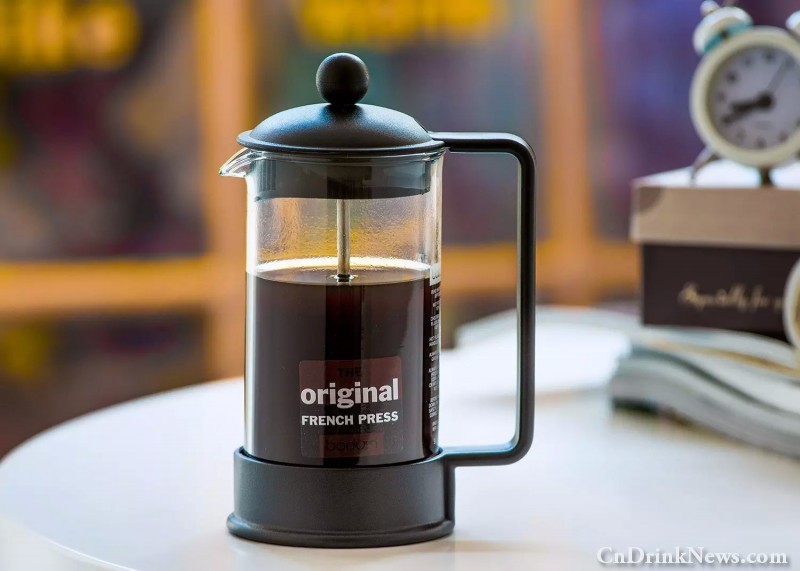
- Remove the plunger and add your coarsely ground coffee to the empty French press.
- Pour hot water (around 90°C) over the grounds—typically 15 grams of coffee to 225 ml of water.
- Stir gently to ensure all the grounds are saturated.
- Place the plunger on top (don’t press yet) and let the coffee steep for 4 minutes.
- After 4 minutes, slowly press the plunger down to separate the grounds.
- Pour the coffee into cups immediately to avoid over-extraction from the grounds sitting in the brewed liquid.
Can You Use Light Roast in a French Press?
Yes, but it requires careful adjustment. Light roasts tend to produce more acidity and floral or fruity notes, which can become overwhelming or unbalanced in a French press unless you fine-tune the grind, time, or ratio. Because the immersion method extracts more from the coffee, light roasts may taste too sharp or sour unless you reduce steep time or use a slightly coarser grind. That said, with the right tweaks, you can still achieve a bright and complex cup.
Common French Press Mistakes to Avoid
- Using Too Fine a Grind: A fine grind increases surface area too much, leading to over-extraction and pushing fine particles through the metal filter—resulting in sludge and bitterness.
- Over-Steeping: Letting coffee sit in the French press for too long (over 5 minutes) leads to over-extracted, bitter flavors. Always press down immediately after your chosen brew time.
- Not Pressing Slowly: A fast or uneven press can agitate the grounds, causing more extraction and cloudiness. Press down smoothly and steadily.
- Leaving Coffee in the Pot: Don’t let brewed coffee sit in the French press after pressing. The grounds continue extracting, making the coffee more bitter. Pour it out right away.
Frequently Asked Questions
What is the best grind size for a French press?
The ideal French press grind is coarse, similar to granulated sugar. For an EK43s electric grinder, use setting 10.5; for a hand grinder, around 26. This prevents fine particles from clogging the filter or making the coffee overly bitter and sludgy.
How much coffee should I use in a French press?
A standard brew ratio is 1:15 — 15 grams of coffee per 225 ml (grams) of water. This produces a strong, full-bodied cup. Adjust the coffee or water amount to suit your taste preferences.
What water temperature is best for French press coffee?
Use water around 90°C, or let boiling water sit for 2–3 minutes before pouring. Slightly higher temperatures can enhance extraction, especially for dark roasts, but avoid boiling water to prevent over-extraction and bitterness.
How long should I steep coffee in a French press?
Most brewers steep for 4 minutes. Darker roasts do well at 3–4 minutes to avoid bitterness, while lighter roasts may need up to 5 minutes to fully develop their aromas and acidity.
Can I use a French press for light roast coffee?
Yes, but it requires adjustments. Light roasts can taste overly acidic or sharp in a French press. To balance the cup, reduce steep time, use a coarser grind, or lower the coffee dose slightly.
Is a French press easy to clean?
Yes. After brewing, remove the plunger, rinse the carafe and filter, and let it air dry. The entire cleaning process takes about 20 seconds, making it one of the easiest coffee brewers to maintain.
Recommended FrontStreet Beans for French Press
For French press brewing, try FrontStreet Coffee’s PWN Golden Mandheling, a medium-dark single origin with deep spice, caramel, and dark chocolate notes, offering bold body and rich crema. Another excellent choice is the Strawberry Candy Espresso, a custom blend with floral, berry, and stone fruit highlights that shines when steeped, especially with milk. Both beans highlight the French press’s ability to enhance sweetness, texture, and complexity. Freshly roasted within 5 days · Orders placed before 17:00 ship the same day · Next-day delivery across most of Guangdong Province.
FrontStreet Coffee is a long-established specialty coffee roaster in Guangzhou China, selling freshly roasted beans from its own farm in Yunnan as well as dozens of carefully selected single-origin beans from around the world for both pour-over and espresso. The products deliver consistently excellent quality and great value, with shipping within 24 hours. Guangzhou's FrontStreet Coffee shop is recommended by many coffee lovers, and the beans are now available online at the Tmall 。
Important Notice :
前街咖啡 FrontStreet Coffee has moved to new addredd:
FrontStreet Coffee Address: 315,Donghua East Road,GuangZhou
Tel:020 38364473