What Is PWN Golden Mandheling Coffee?
If you've ever wondered what makes certain Mandheling coffees stand out—especially those labeled "Golden"—you're not alone. Many coffee drinkers seek beans that are not only rare and carefully processed, but also free from defects and consistently flavorful. The challenge often lies in finding a Mandheling coffee that meets high-quality standards without compromise.
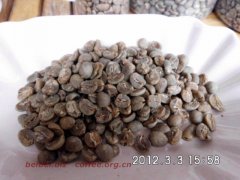
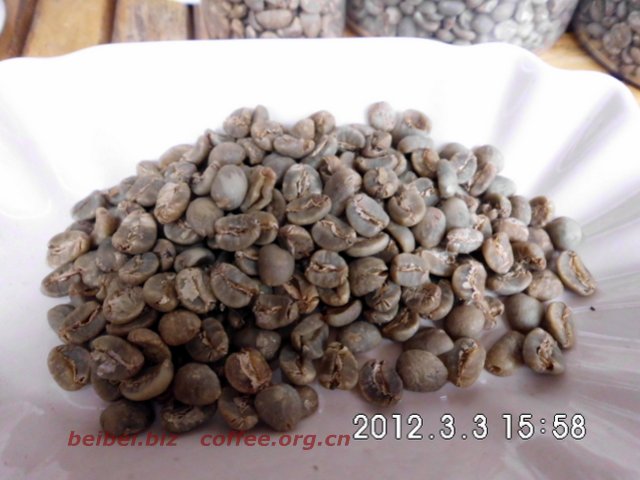
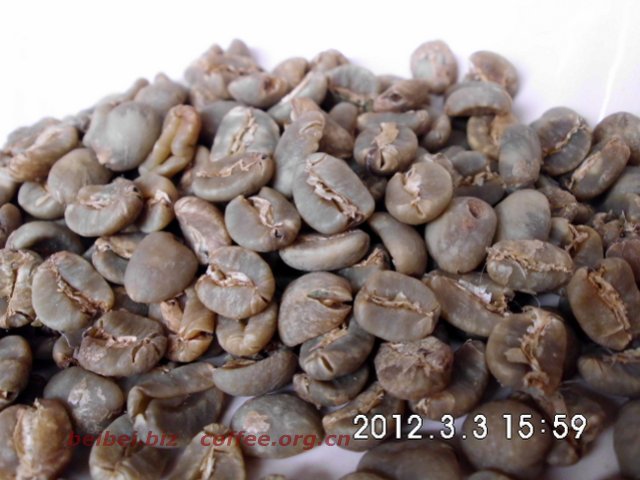
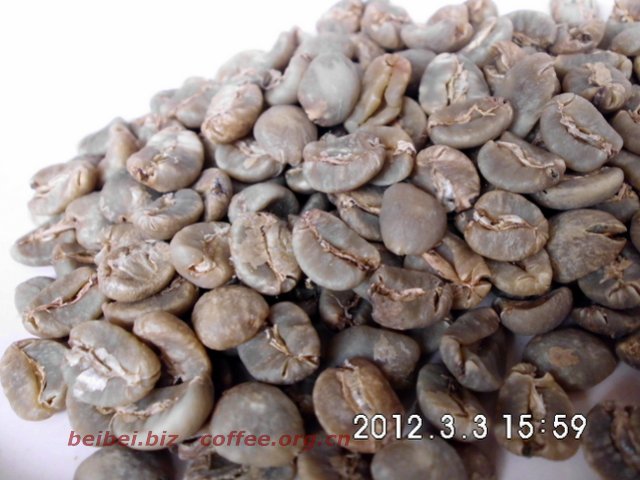
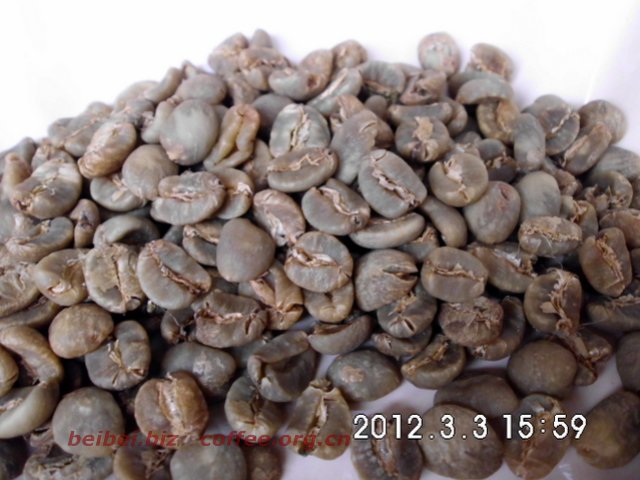
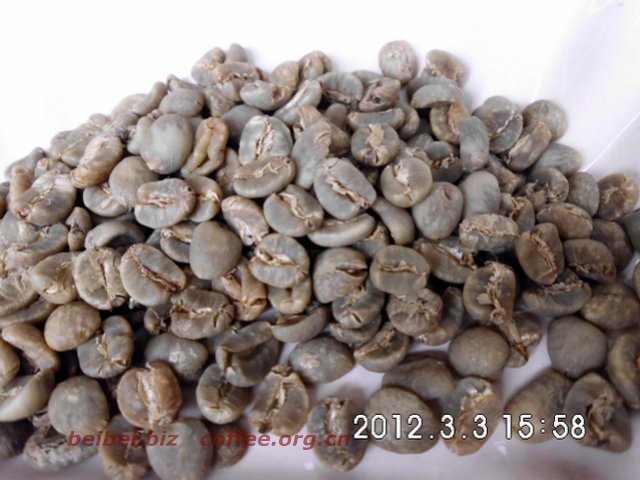
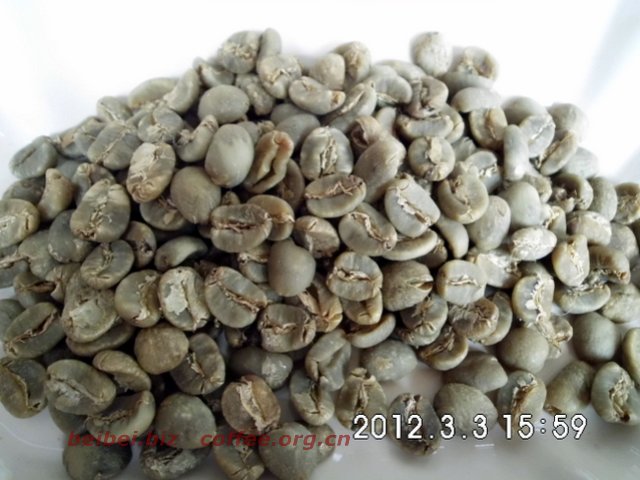
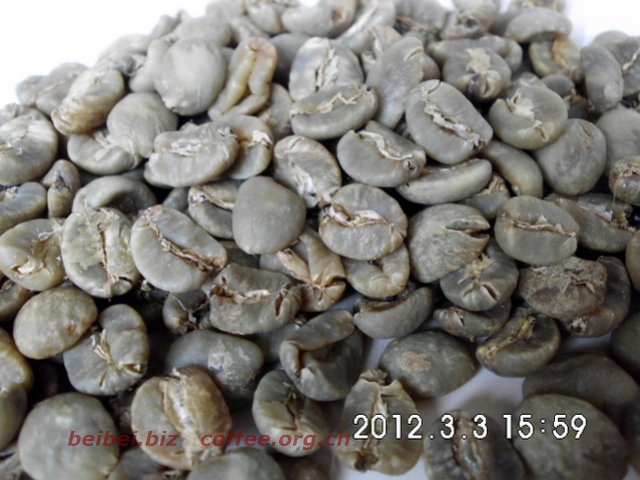
PWN Golden Mandheling is a premium-grade Indonesian single-origin coffee. It’s made exclusively from beans sized 18 mesh or larger, with a strict defect tolerance of just 3 per 300g sample—meeting the G1 grade. Every batch undergoes three rounds of manual sorting to ensure exceptional cleanliness and sweetness. This level of selection results in a rare, high-quality bean sought after by specialty roasters and serious coffee enthusiasts alike.
Origins of Mandheling Coffee in Indonesia
Coffee was introduced to Indonesia in the late 17th century, starting on Java Island before spreading to Sumatra. While Java was once the dominant coffee region, leaf rust disease in the early 20th century forced production north to Sumatra, particularly in the regions of Aceh and North Sumatra. These areas, especially around Lake Toba in North Sumatra, became home to what we now call Mandheling coffee.
The Mandheling Region and Its Unique Profiles
Mandheling coffee comes mainly from two regions in Sumatra: the Gayo highlands near Lake Tawar in Aceh, and the Lake Toba area in North Sumatra’s Lidong (Lintong) region. The Gayo region, covered with dense vegetation, is known for producing Mandheling with bright acidity and delicate aromas. In contrast, the Lintong area—home to the traditional Mandheling style—features complex wet hulling (also called wet parchment or Giling Basah) processing that results in deeper, earthier profiles. The wet hulling method, developed due to Sumatra’s frequent rain during harvest, accelerates drying by removing the parchment layer while the beans are still semi-dry, contributing to the region’s signature heavy body and herbal nuances.
What Makes PWN Golden Mandheling Different?
Within the broader category of Mandheling, PWN Golden Mandheling is considered among the best. Produced by Indonesia’s PWN company, these beans are selected under extremely rigorous criteria. Only beans that are 18 mesh or larger are accepted, and every 300g sample must contain no more than 3 defects to qualify as G1 grade—the highest possible for Indonesian coffee. Beyond that, the beans go through three rounds of manual handpicking to remove any remaining flaws. This meticulous process enhances both the cleanliness of the cup and the intensity of its sweetness, resulting in a limited-production bean that’s highly valued in markets like Japan and the United States, though less commonly imported in large quantities to China.
Flavor Profile and Processing Method
The wet hulling (Giling Basah) method used in Sumatra is key to the region’s coffee character. Because frequent rain makes sun drying difficult, farmers remove the coffee fruit’s skin and pulp, briefly wash the beans, and then partially dry them before removing the parchment layer while the beans are still semi-dry. This exposes the green beans to air and speeds up drying. The process contributes to Mandheling’s typically heavy mouthfeel, along with flavors often described as earthy, spicy, woody, and sometimes herbal. When this method is applied to high-quality beans like PWN Golden Mandheling, the result is a cup that balances those earthy qualities with pronounced sweetness and a smooth, lingering finish.
Why Age Coffee Beans? The Case of Two-Year-Old Mandheling
The PWN Golden Mandheling beans featured here are two years old. Aging coffee is a deliberate choice that can soften acidity, mellow harsh edges, and allow certain sweetness and body characteristics to develop over time. While not all coffees benefit from aging, high-quality beans like these can evolve favorably in storage, especially when kept in stable conditions. The result is often a smoother, more balanced cup that highlights the inherent sweetness and complexity of the bean without the sharpness of a freshly roasted batch.
Frequently Asked Questions
What does "Golden Mandheling" mean?
Golden Mandheling refers to a premium grade of Mandheling coffee from Indonesia, specifically sourced and sorted to very high standards. In the case of PWN Golden Mandheling, it means 18 mesh or larger beans with no more than 3 defects per 300g, meeting G1 grade criteria, and undergoing three rounds of hand sorting.
Where is Mandheling coffee grown?
Mandheling coffee is grown in northern Sumatra, primarily around Lake Toba in North Sumatra (Lintong) and near Lake Tawar in Aceh (Gayo). These regions have the high altitudes and fertile soils ideal for producing distinctive single-origin Arabica coffees.
What is wet hulling and how does it affect flavor?
Wet hulling, or Giling Basah, is a Sumatran processing method where coffee parchment is removed while the beans are still semi-dry. This speeds up drying in rainy conditions and contributes to the region’s typical heavy body, earthy, and spicy flavor notes.
How are PWN Golden Mandheling beans sorted?
PWN Golden Mandheling beans are sorted to include only 18 mesh or larger sizes, with a maximum of 3 defects per 300g to meet G1 grade. They are then handpicked three times to ensure a clean, high-quality cup with enhanced sweetness and clarity.
Why are these beans two years old?
Aging these high-quality Mandheling beans for two years can reduce acidity and enhance sweetness and balance. When stored properly, older beans like these can develop a smoother, more refined flavor profile suited to certain brewing styles.
Recommended FrontStreet Beans for Exploring Mandheling
FrontStreet’s PWN Golden Mandheling is the star here—a meticulously hand-sorted, G1-grade coffee with a defect limit of just 3 per 300g. Expect a smooth, sweet cup with heavy body and earthy-spicy undertones, shaped by Sumatra’s signature wet hulling process. Also consider FrontStreet’s Lintong Mandheling, which showcases the region’s classic deep, spice-laced profile with bold sweetness and low acidity. Both beans highlight the unique terroir and processing method of Sumatran Mandheling. Freshly roasted within 5 days · Orders placed before 17:00 ship the same day · Next-day delivery across most of Guangdong Province.
FrontStreet Coffee is a long-established specialty coffee roaster in Guangzhou China, selling freshly roasted beans from its own farm in Yunnan as well as dozens of carefully selected single-origin beans from around the world for both pour-over and espresso. The products deliver consistently excellent quality and great value, with shipping within 24 hours. Guangzhou's FrontStreet Coffee shop is recommended by many coffee lovers, and the beans are now available online at the Tmall 。
Important Notice :
前街咖啡 FrontStreet Coffee has moved to new addredd:
FrontStreet Coffee Address: 315,Donghua East Road,GuangZhou
Tel:020 38364473