What Is PWN Golden Mandheling Coffee?
If you’ve ever wondered what makes some green coffee beans look so uniform—neat, blemish-free, and almost too perfect to be real—this is the story. Not all green coffee looks like it belongs in a museum, but some, after rigorous sorting, come remarkably close. This is especially true for high-grade Mandheling beans sourced from Indonesia’s Sumatra region.
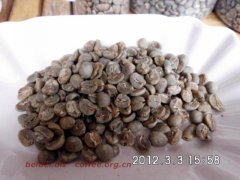
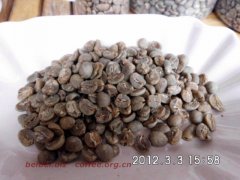
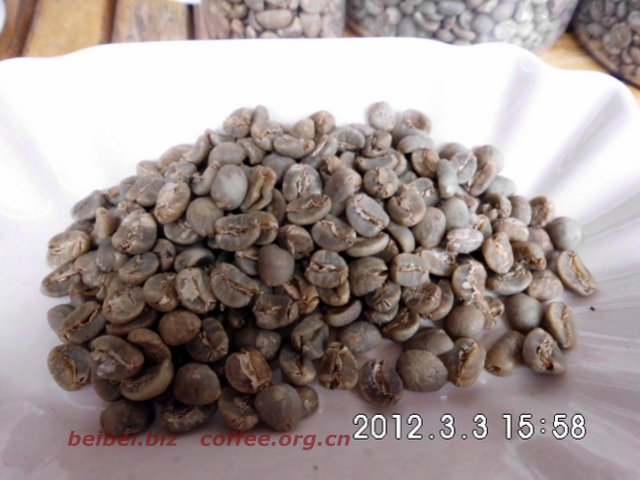
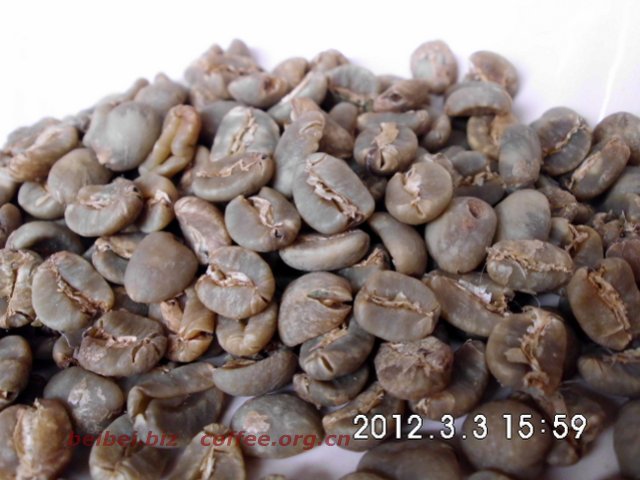
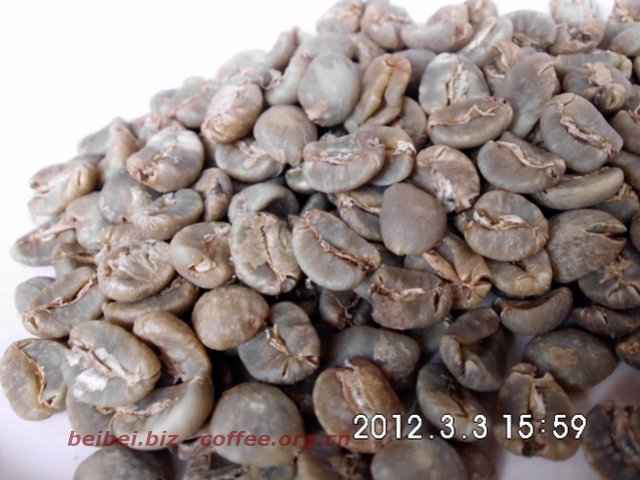
PWN Golden Mandheling is a handpicked, premium-grade Indonesian green coffee that has undergone three rounds of manual sorting. These two-year-aged beans are selected at over 18 mesh size, with fewer than 3 defects per 300 grams—meeting the strict G1 grade standard. That meticulous process is what gives these beans their clean, consistent appearance.
Where Golden Mandheling Comes From
The story of Mandheling coffee begins not in Mandheling itself—but on the other side of Indonesia. In the late 17th century, Dutch colonists brought coffee to Java, which quickly became synonymous with coffee worldwide. But when coffee leaf rust devastated Java’s crop in the early 20th century, production shifted north to Sumatra, particularly to the regions of Aceh and North Sumatra. That’s where Mandheling coffee, as we know it today, was born.
Within Sumatra, there are two major Mandheling-growing areas: the Gayo highlands near Lake Tawar in Aceh, known for brighter, more nuanced cups, and the Lake Toba region in North Sumatra’s Lintong area, famous for deeper, earthier profiles. Most Golden Mandheling comes from the Lintong region, where the unique wet-hulling (or “giling basah”) process shapes its signature flavor.
Why Golden Mandheling Stands Out
Not all Mandheling beans are “Golden.” The name isn’t just marketing—it reflects a stricter selection process. The beans are sourced through the Indonesian coffee supplier PWN (Perusahaan Wilayah Nord Sumatra), which applies some of the toughest grading rules in the business. For a bean to qualify as Golden Mandheling, it must be larger than 18 mesh, and in every 300-gram sample, there can be no more than 3 defects. That’s the G1 grade threshold.
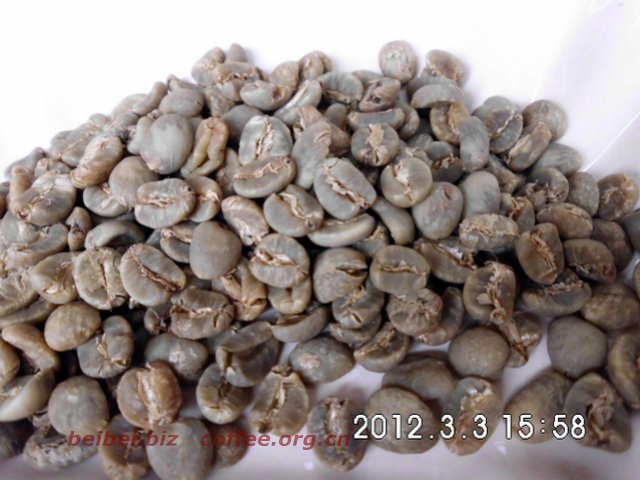
But PWN doesn’t stop at size and defect count. They take it further: every batch of Golden Mandheling is hand-sorted not once, not twice, but three times. That manual selection removes nearly all visual flaws and inconsistent beans, leaving behind a lot that’s remarkably uniform in size and quality. That’s why the beans, even after two years of storage, still look so strikingly neat—like they’ve been curated rather than harvested.
The Sumatran Way: Wet-Hulling and Its Impact
Sumatra’s iconic coffee flavor doesn’t come from the beans alone—it comes from how they’re processed. Because frequent rain often interrupts traditional sun drying, Indonesian coffee farmers developed a unique solution: wet-hulling, locally called giling basah.
Here’s how it works: After harvest, coffee cherries are depulped and briefly washed. Instead of waiting for the beans to dry fully inside their mucilage and parchment, farmers partially dry the beans to a semi-wet state, then remove the parchment layer while it’s still flexible. This exposes the green bean directly to air, speeding up the drying process significantly. The result? A denser bean with a heavier body, lower acidity, and a flavor profile full of earthy, spicy, and sometimes herbal or woody notes.
This method is what gives Mandheling—especially the Lintong-sourced Golden Mandheling—its deep, classic profile: think dark chocolate, molasses, clove, tobacco, and a long-lasting sweet finish. It’s bold, it’s earthy, and it’s instantly recognizable to anyone familiar with Indonesian coffees.
Why Age Matters: Two-Year-Old Green Beans
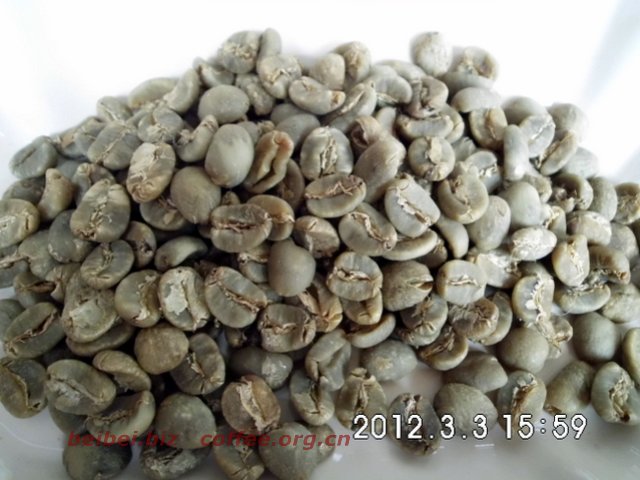
Green coffee beans, when stored properly, can improve with age—especially those from Sumatra. Unlike light-roasted single origins meant for quick consumption, Golden Mandheling is often aged deliberately. In this case, the beans have been stored for two years under controlled conditions.
Aging reduces acidity, softens harsh edges, and allows the bean’s inherent sweetness and body to become more pronounced. That’s why many roasters—especially those working with Sumatran beans—prefer them with some shelf time. The two-year aging process contributes to the mellow, balanced cup profile that Golden Mandheling is known for, making it a favorite among drinkers who appreciate a heavy, lingering mouthfeel and low-toned spice notes.
Frequently Asked Questions
What is PWN Golden Mandheling?
PWN Golden Mandheling is a high-grade Indonesian green coffee sourced through the Indonesian supplier PWN. It is sourced mainly from the Lintong region of North Sumatra, meets the G1 grade standard, and has been hand-sorted three times to ensure fewer than 3 defects per 300 grams. The beans are larger than 18 mesh and have typically been aged for around two years.
Why are Golden Mandheling beans so uniform in appearance?
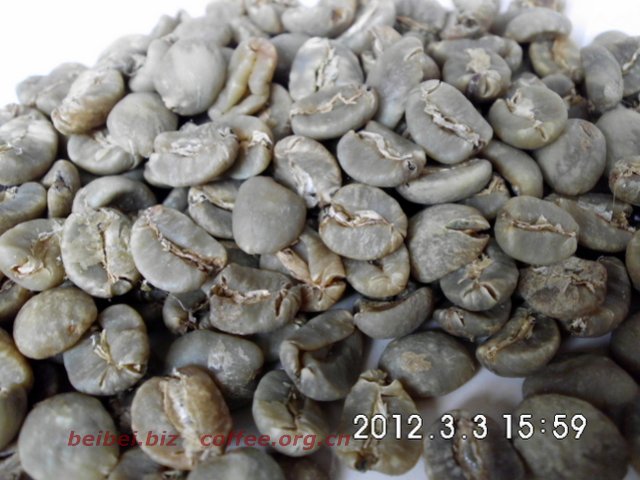
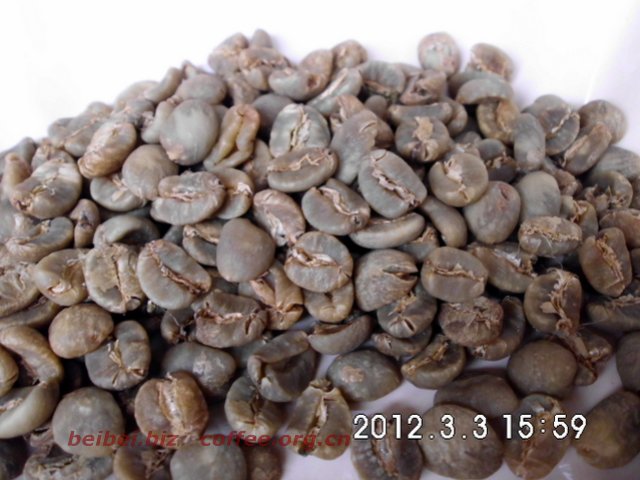
The uniformity comes from a stringent manual selection process. PWN sorts these beans three times by hand, ensuring only those meeting strict size (over 18 mesh) and defect (fewer than 3 per 300g) criteria remain. This results in a very clean, blemish-free, and consistent-looking green coffee bean.
What is wet-hulling and how does it affect Mandheling coffee?
Wet-hulling, or giling basah, is a Sumatran processing method where coffee parchment is removed before the bean is fully dry. This speeds up drying in rainy conditions but also creates a denser bean with lower acidity, a heavier body, and flavors often described as earthy, spicy, or woody. It’s central to the classic Mandheling flavor profile.
Does aging green coffee beans improve them?
Yes, when stored correctly, green coffee beans like Golden Mandheling can improve with age. A two-year aging period reduces acidity, smooths out harsh flavors, and enhances sweetness and body, resulting in a more balanced and mellow cup, especially typical of Sumatran profiles.
Where does Golden Mandheling coffee come from in Indonesia?
Golden Mandheling primarily comes from the Lintong region around Lake Toba in North Sumatra. This area is known for its wet-hulled processing, high elevations, and distinctive earthy and spicy coffee profiles that define classic Mandheling flavor.
Recommended FrontStreet Beans for Earthy Profiles
For fans of Golden Mandheling’s earthy, spicy character, try FrontStreet Lintong Mandheling. It showcases Sumatra’s signature heavy body, deep sweetness, and classic notes of clove, tobacco, and molasses—ideal for those who love a bold, structured cup. FrontStreet also offers Yirgacheffe for a bright contrast, and Classic Blend for a balanced everyday roast. Freshly roasted within 5 days · Orders placed before 17:00 ship the same day · Next-day delivery across most of Guangdong Province.
FrontStreet Coffee is a long-established specialty coffee roaster in Guangzhou China, selling freshly roasted beans from its own farm in Yunnan as well as dozens of carefully selected single-origin beans from around the world for both pour-over and espresso. The products deliver consistently excellent quality and great value, with shipping within 24 hours. Guangzhou's FrontStreet Coffee shop is recommended by many coffee lovers, and the beans are now available online at the Tmall 。
Important Notice :
前街咖啡 FrontStreet Coffee has moved to new addredd:
FrontStreet Coffee Address: 315,Donghua East Road,GuangZhou
Tel:020 38364473