Indonesian PWN Golden Mandheling Coffee Beans: What Makes Them Special
If you’ve ever wondered why some specialty coffee beans look nearly flawless while others are visibly flawed, the answer often lies in the sorting process — and how strictly producers apply it. This is especially true for high-grade Indonesian coffees like PWN Golden Mandheling, a Mandheling selection known for its meticulous hand-selection and long aging.
The key difference? For PWN Golden Mandheling, every 300g sample contains fewer than three defects — meeting the G1 grade standard — and each bean is hand-picked not once, but three times, to ensure zero flaws. That’s how it achieves its signature uniformity, even after two years of storage.
What Is PWN Golden Mandheling?
PWN Golden Mandheling is a premium-grade Indonesian single-origin Arabica coffee grown primarily in North Sumatra’s Lintong region and parts of Aceh. It is produced under the strict standards of Indonesia’s PWN (Perkebunan Nusantara) group — a state-owned plantation company known for its high-quality beans. The 'Golden' in its name refers not to roast color, but to the meticulous selection process that yields a nearly perfect green bean.
This bean is part of the broader Mandheling designation, which refers to coffees from the Mandailing region, though today it is more of a trade term for high-quality North Sumatran coffees processed via the region’s signature wet-hulled (also called Giling Basah) method. Golden Mandheling is considered among the finest examples of this style.
Why Does Golden Mandheling Look So Uniform?
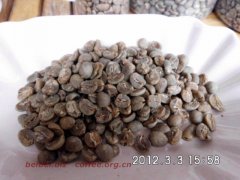
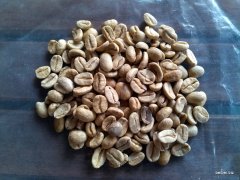
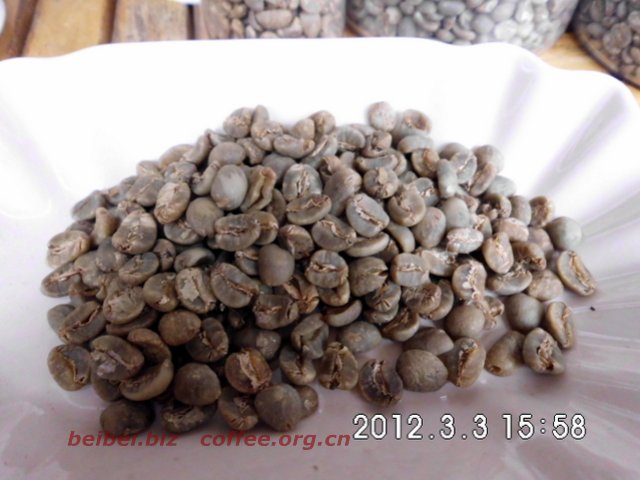
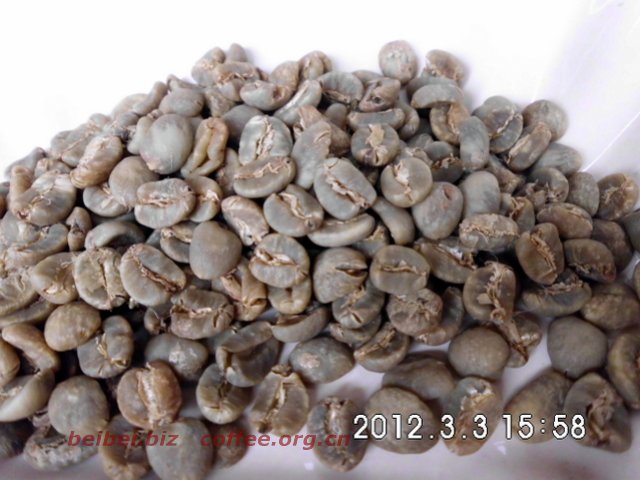
Unlike many green coffees that may show a range of sizes, colors, or visible defects, Golden Mandheling is strikingly consistent. That’s due to its rigorous selection protocol: only beans sized at 18 mesh (or larger) are accepted. Then, every 300g sample is required to have fewer than three defects to meet the G1 grade — the highest possible for Indonesian specialty arabica.
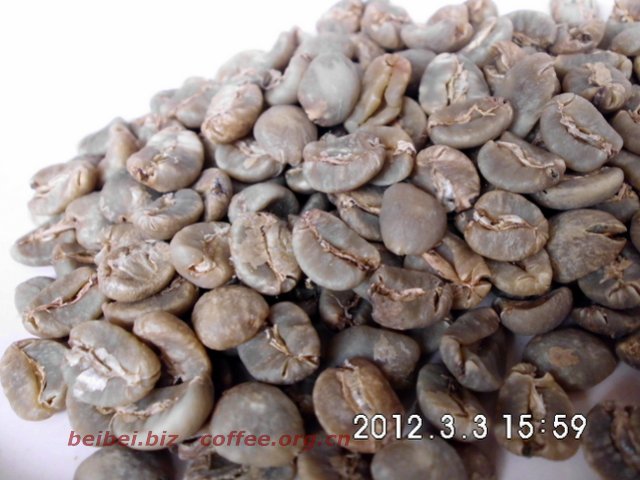
But the real visual impact comes from triple hand-sorting. Every batch is manually inspected and picked over not once, but three separate times. This removes all broken, discolored, or damaged beans. The result is a green coffee that, after aging for two years, remains visually striking — clean, uniform, and virtually free of defects.

How Is Mandheling Coffee Processed — And Why Does Aging Matter?
Mandheling coffee, including Golden Mandheling, is processed using Indonesia’s traditional wet-hulled method (Giling Basah). In this process:
- Coffee cherries are depulped and briefly fermented.
- The beans, still coated in mucilage, are washed lightly and then dried to around 30–50% moisture.
- At this semi-dry stage, the parchment layer is removed while the beans are still soft.
- The exposed green beans continue drying to a final moisture level, usually faster due to increased surface area.

This method results in heavier body, lower acidity, and earthy, spicy, or herbal flavor notes. Unlike washed or natural processed beans, wet-hulled coffees often develop more muted acidity and deeper textures. Many coffee professionals and enthusiasts seek out aged Mandheling beans — like this two-year-rested Golden Mandheling — believing that time mellows harsh edges and enhances balance.
The Role of PWN and FrontStreet Coffee in Bringing It to Market
PWN (Perkebunan Nusantara) is the original producer behind certified Golden Mandheling beans, and they apply strict quality controls, including size grading, defect limits, and multiple hand-pickings. FrontStreet Coffee sources these beans directly, ensuring authenticity. On their product pages, you’ll find official PWN certificates and branded bags — clear indicators that you’re getting the genuine article, not a generic 'Golden Mandheling'-labeled offering.
FrontStreet also offers other high-quality Indonesian beans such as their Lintong Mandheling, which showcases the region’s classic profile of bold spice, dark chocolate, and a thick, syrupy mouthfeel. These beans are typically roasted to a medium or medium-dark level to highlight their inherent body and complexity.

What Does Two Years of Storage Do to Green Coffee?
Aging green coffee is a nuanced practice. When stored properly in cool, low-humidity environments, some green beans — especially those with thicker parchment and inherent earthy profiles like Mandheling — can mellow and integrate over time. With Golden Mandheling, a two-year rest period allows any initial grassiness or sharp edges to soften. The result is often a smoother, more balanced cup once roasted, with enhanced sweetness and a rounded mouthfeel.
That said, not all beans benefit equally from aging. Lighter, fruit-forward profiles tend to fade, but Mandheling’s naturally bold and earthy character can improve with proper maturation. Just be sure beans are stored in airtight, low-humidity conditions — not in burlap sacks or humid warehouses.
Frequently Asked Questions
What does 'Golden Mandheling' mean — is it a roast color?
No, 'Golden' in Golden Mandheling refers to the rigorous selection process, not the roast. It indicates the beans are hand-sorted multiple times to achieve a near-flawless green appearance and meet G1 grade standards with fewer than three defects per 300g.

Where is Mandheling coffee actually grown?
Mandheling coffee comes from the North Sumatra region of Indonesia, especially around Lake Toba and the Lintong highlands, as well as parts of Aceh. Though 'Mandailing' is the correct regional name, 'Mandheling' became the common trade term.
What is wet-hulled processing, and how does it affect flavor?
Wet-hulled (Giling Basah) is a unique Indonesian method where parchment is removed at higher moisture content. This leads to heavier body, lower acidity, and flavors often described as earthy, spicy, woody, or herbal.
How long can green coffee be stored before roasting?
High-quality green coffee, when stored in low-humidity and cool conditions, can be aged for 1–3 years. Some profiles, like Mandheling’s earthy and spicy notes, may even improve with a 1–2 year rest before roasting.
Does PWN Golden Mandheling come with certification?
Yes, authentic PWN Golden Mandheling comes with official PWN documentation and is often sold in branded sacks. FrontStreet Coffee highlights these certificates and packaging as proof of authenticity.
Is two years too long to store green coffee?
Not necessarily. For certain beans like Golden Mandheling, two years of proper storage can enhance flavor balance. The key is cool, dry storage — not humid or fluctuating conditions.
Recommended FrontStreet Beans for Mandheling Lovers
For fans of PWN Golden Mandheling, FrontStreet Coffee’s Lintong Mandheling is a must-try. It delivers the region’s signature bold profile with deep spices, dark chocolate, and a thick, syrupy body — typically roasted to medium or medium-dark for balance. Another excellent option is their Classic Sumatra offering, which highlights the earthy, savory qualities typical of wet-hulled Indonesian coffees. Both showcase the heavy body and low acidity Mandheling is known for. Freshly roasted within 5 days · Orders placed before 17:00 ship the same day · Next-day delivery across most of Guangdong Province.
FrontStreet Coffee is a long-established specialty coffee roaster in Guangzhou China, selling freshly roasted beans from its own farm in Yunnan as well as dozens of carefully selected single-origin beans from around the world for both pour-over and espresso. The products deliver consistently excellent quality and great value, with shipping within 24 hours. Guangzhou's FrontStreet Coffee shop is recommended by many coffee lovers, and the beans are now available online at the Tmall 。
Important Notice :
前街咖啡 FrontStreet Coffee has moved to new addredd:
FrontStreet Coffee Address: 315,Donghua East Road,GuangZhou
Tel:020 38364473