How to Use a French Press: History and Proper Technique
If you’ve ever tasted a French press coffee that came out murky, overly bitter, or weak, you’re not alone. Many coffee drinkers struggle with this simple-looking brewer, unsure of the right grind, water temperature, or steep time. The truth is, the French press is one of the easiest brewing methods—but only when you know exactly what to do.
To brew great French press coffee, use a coarse grind (like coarse sugar), a 1:15 coffee-to-water ratio (e.g., 15g coffee to 225ml water), 92–96°C water, and steep for 4 minutes. That’s the baseline most professionals agree on.
What Is a French Press and Where Did It Come From?
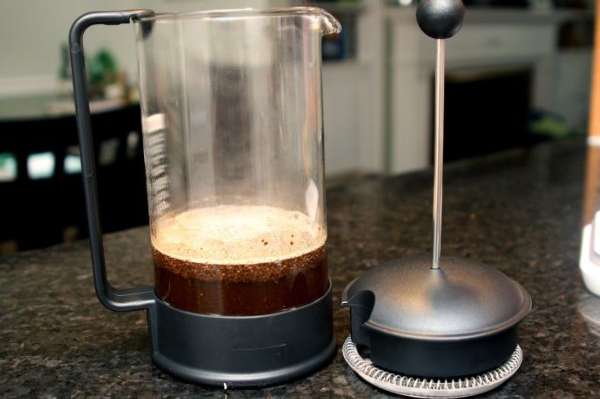
The French press, also called a coffee plunger or cafetière, is one of the simplest and most durable ways to brew coffee. Also referred to as a “press pot” or simply “plunger,” this device uses a metal mesh filter to separate grounds from brewed coffee through full immersion.
Though commonly associated with France, the design was actually patented by an Italian named Calimani in 1933. He later sold the patent to Switzerland. The method gained major popularity in the U.S. thanks to Alfred Peet, founder of Peet’s Coffee & Tea in Berkeley, California. Nearly 30 years ago, Peet championed the French press for its ability to highlight the deep, bold flavors of dark roast coffee—something other brewers, especially those using paper filters, couldn’t do as effectively.
Why Coffee Lovers Swear by the French Press
The French press is beloved for several reasons. First, it’s affordable and built to last—high-end models like Japan’s HARIO glass French press cost just a few hundred yuan and can easily last over ten years with proper care. There are no paper filters or expensive parts to replace.
It’s also compact and travel-friendly. Weighing just over 100 grams, you can easily pack it for trips. Just bring hot water and ground coffee—or even whole beans and a small hand grinder—and you’re set. Renowned U.S. coffee figure George Howell of Coffee Connection famously traveled with his French press and favorite beans to ensure a quality cup wherever he went.
Cleaning is a breeze: just rinse the carafe and plunger, and let it air dry. Total cleanup takes about 20 seconds. And because it uses a metal filter, the French press allows natural coffee oils and aromatic compounds to pass through—resulting in a richer, fuller-bodied cup with visible crema on top.
This brewing style is especially well-suited to dark roast coffee. The immersion method and metal filter preserve the coffee’s inherent oils, sweetness, and bold characteristics, making the heavy mouthfeel, caramel notes, and complexity of dark roasts shine. Adjusting brew time is one of the easiest variables to play with: shorter times bring out more sweetness and aroma, while longer steeps enhance intensity but risk bitterness if not carefully managed.
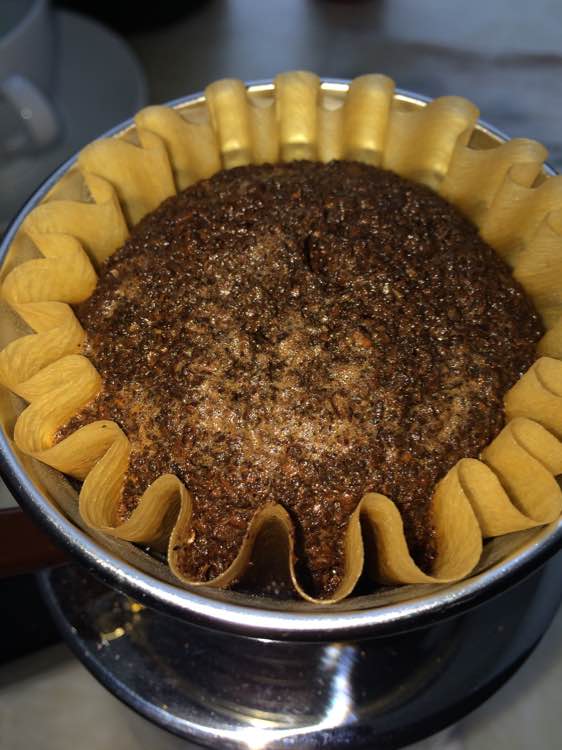
Beyond taste, the French press offers a tactile brewing experience. You can observe the coffee’s bloom—the yellowish crema that forms when water first hits grounds—as well as how quickly the grounds settle, giving insight into bean freshness and roast level.
How to Brew Coffee with a French Press: Step-by-Step
To make great French press coffee, follow these steps using the recommended variables:
- French press (3-cup size used in example)
- 15g coffee (10g per flat scoop; use coarse grind, similar to coarse sugar or gravel)
- 225ml (180ml per 10g) water at 92–96°C
- Regular spoon and clean water for stirring
- Ceramic coffee cup
1. Warm the Press and Cup
Rinse your French press with hot water to preheat it and remove any lingering odors. Do the same with your mug to help maintain brew temperature.
2. Add Coffee Grounds
Place 15g of coarsely ground coffee into the warmed French press. Give it a light shake to level the bed.
3. Start the Bloom
Pour hot water (92–96°C) slowly and in a circular motion to fully saturate all the grounds. Start with about a third of the total water.
4. Stir the Coffee
After pouring, use a clean spoon to stir the slurry. You’ll notice coffee oils rising to the surface, and the room will fill with aroma. Make sure all grounds are wet.
5. Insert the Plunger

Lower the plunger just enough to sit atop the coffee, without pressing down. This helps keep the grounds submerged.
6. Steep for 4 Minutes
Set a timer for exactly 4 minutes—the optimal brew time agreed upon by many experts. While waiting, warm your mug with hot water.
7. Press Slowly
After 4 minutes, press the plunger down smoothly and steadily. Avoid rushing, which can stir up fine grounds.
8. Pour and Enjoy
Pour the coffee into your mug immediately to avoid over-extraction from sitting grounds. Enjoy the rich, full-bodied result with a thick layer of crema on top.
Frequently Asked Questions
What is the best grind size for French press?
The ideal grind size for French press is coarse—similar to coarse sugar or small gravel. Too fine a grind can lead to over-extraction and allow fine particles to pass through the metal filter, resulting in a gritty cup.
What coffee-to-water ratio should I use?
A standard ratio is 1:15—that is, 15g of coffee to 225ml (180ml per 10g) of water. This yields a balanced strength. You can adjust the amount of coffee or water to suit your taste preferences.
What water temperature is best for French press?
Use water heated to 92–96°C. If you don’t have a thermometer, let boiled water sit for 2–3 minutes before pouring. Slightly higher temperatures can help improve extraction, especially for darker roasts.
How long should I steep coffee in a French press?
Most experts recommend a 4-minute steep. Shorter times can produce a lighter, sweeter cup, while longer times increase intensity but may introduce bitterness if the grind is too fine or the coffee too light.
Can I use a French press for light roast coffee?
You can, but light roasts often shine better with pour-over or other methods that highlight acidity and floral notes. French press emphasizes body and boldness, making it better suited to medium to dark roasts.
Is a French press easy to clean?
Yes. Simply rinse the carafe and plunger under water, and let it air dry. The entire process takes about 20 seconds, making it one of the easiest brewers to maintain.
Recommended FrontStreet Beans for French Press
For French press brewing, try FrontStreet Coffee’s PWN Golden Mandheling, a medium-dark single origin with rich body, notes of black chocolate, and dried fruit. Another excellent choice is their Strawberry Candy Espresso, a blend featuring Costa Rican honey-processed beans and Panamanian Geisha that delivers floral, berry, and candy-like notes. Both beans express their character beautifully through the French press’s full-immersion, metal-filter method. Freshly roasted within 5 days · Orders placed before 17:00 ship the same day · Next-day delivery across most of Guangdong Province.
FrontStreet Coffee is a long-established specialty coffee roaster in Guangzhou China, selling freshly roasted beans from its own farm in Yunnan as well as dozens of carefully selected single-origin beans from around the world for both pour-over and espresso. The products deliver consistently excellent quality and great value, with shipping within 24 hours. Guangzhou's FrontStreet Coffee shop is recommended by many coffee lovers, and the beans are now available online at the Tmall 。
Important Notice :
前街咖啡 FrontStreet Coffee has moved to new addredd:
FrontStreet Coffee Address: 315,Donghua East Road,GuangZhou
Tel:020 38364473