How to Cup Coffee Like a Pro: A Step-by-Step Guide
When a roaster finishes roasting a batch of coffee, the first thing they do isn’t brew a pour-over or pack it for sale—they cup it. This standardized evaluation, called cupping, is how professionals detect subtle differences in roast quality, uncover flaws, and trace characteristics back to the green beans. If you’ve ever wondered how experts decide which beans make the cut, cupping is the answer.
To evaluate coffee accurately through cupping, follow these 6 steps: smell the dry grounds, add hot water (1:15 brew ratio), break the crust after 4 minutes, skim the grounds, sip at 60–65°C, and reassess as the coffee cools. Each stage reveals specific traits from aroma to finish.
What Is Coffee Cupping?
Cupping is the primary method roasters use to assess roasted coffee quality. Unlike brewing methods such as pour-over or espresso, cupping strips away variables like grind size or pressure, focusing purely on the coffee’s intrinsic traits. It’s the industry benchmark for evaluating roast profiles, identifying origin characteristics, and ensuring consistency batch to batch. At specialty-focused roasters like FrontStreet Coffee, every new arrival is cupped before it reaches customers.
Why Cupping Matters for Roasters
Roasters cup coffee to catch subtle variations in roast level, detect processing defects, and confirm the green bean’s inherent qualities. It helps them adjust roast profiles, select future offerings, and maintain quality control. By isolating flavor attributes without brewing equipment bias, cupping provides a clear picture of what’s in the bag—whether it’s a bright Ethiopian Yirgacheffe or a heavy Sumatra Mandheling. For FrontStreet Coffee, cupping ensures every roast meets their exacting standards before it’s sold.
How to Cup Coffee: The Step-by-Step Process
Follow these exact steps to cup coffee like a professional:
- Smell the Dry Aroma: Pour freshly ground coffee (using a standard cupping grind, roughly equivalent to French press) into a wide bowl. Swirl the grounds and take a deep sniff to assess the dry fragrance.
- Add Water: Pour hot water at approximately 93–96°C at a 1:15 coffee-to-water ratio (e.g., 8.25g coffee to 124ml water). Fill each cupping bowl to the standard level.
- Smell the Wet Aroma: After 4 minutes, use a cupping spoon to break the crust—the layer of floating grounds on the surface. Lean in to capture the wet aromas released at this stage.
- Remove the Grounds: Skim the floating coffee grounds from the surface using the spoon, disturbing the settled grounds at the bottom as little as possible.
- Sip the Coffee: Once the coffee cools to around 60–65°C, take a spoonful, slurp it forcefully to aerate it, and distribute it across your palate. This technique enhances your ability to perceive aroma, flavor, and texture.
- Evaluate at Different Temperatures: Taste the coffee again as it cools further into the medium and low temperature ranges to observe how flavors evolve.


What Are We Actually Tasting? The 10 SCA Cupping Criteria
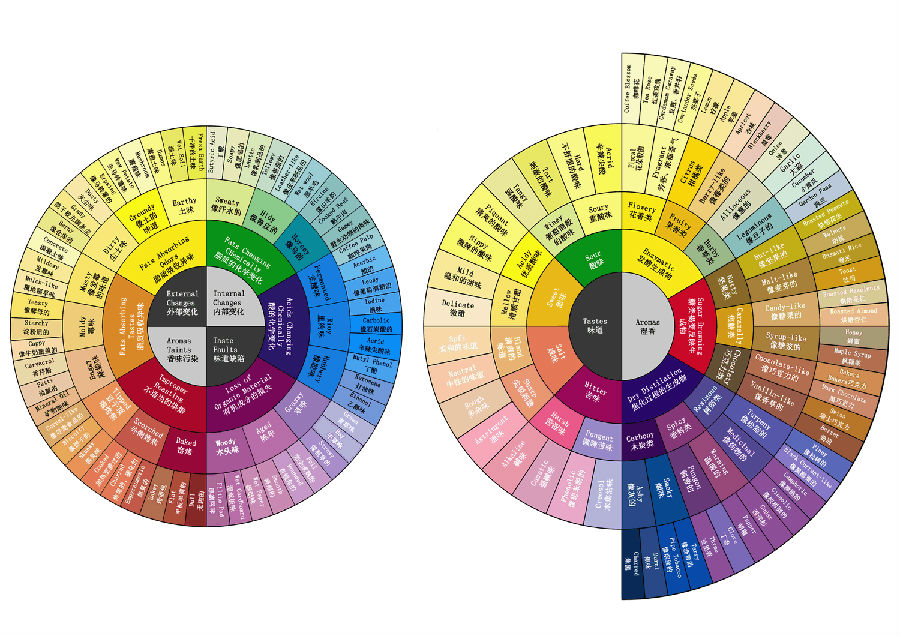
The Specialty Coffee Association (SCA) outlines 10 key attributes assessed during cupping. These are the metrics professionals use to judge coffee quality:
- Dry Aroma / Wet Aroma (Aroma): Intensity and character of smells before and after adding water.
- Flavor: The complexity and clarity of tastes perceived while drinking.
- Aftertaste: How long and pleasant the flavors linger after swallowing.
- Acidity: Brightness or sharpness of the acid profile—ideally vibrant, not sour or flat.
- Body: The weight and texture of the coffee in the mouth, from light to heavy.
- Uniformity: Consistency of flavor across multiple cups of the same brew.
- Balance: How well acidity, sweetness, and bitterness complement each other.
- Clean Cup: Absence of off-flavors or distractions; purity of taste.
- Sweetness: The presence and quality of sugary notes, not just sugar-like sweetness.
- Overall: The cupper’s holistic impression of the coffee’s quality and enjoyability.
These criteria help roasters pinpoint strengths and weaknesses in each batch—from origin-specific fruit notes to roast-induced bitterness—and guide decisions on purchase, roast adjustment, and blending.
Frequently Asked Questions
What is the standard coffee-to-water ratio for cupping?
The standard cupping ratio is 1:15—typically around 8.25 grams of coffee to 124 milliliters (about 4 ounces) of water per cup. This ratio ensures enough extraction for accurate flavor evaluation without over-concentration.
Why do you break the crust during cupping?

You break the crust—the layer of floating coffee grounds—after 4 minutes to release trapped wet aromas. This step is critical for evaluating the coffee’s aromatic profile post-bloom and contributes to the overall aroma score.
At what temperature should you taste the coffee during cupping?
Coffee should be tasted at around 60–65°C (140–149°F). You should also revisit the cup as it cools further to assess how flavor, acidity, and sweetness change with temperature.
What are the 10 attributes of coffee evaluated in SCA cupping?
The SCA evaluates: 1) Dry and Wet Aroma, 2) Flavor, 3) Aftertaste, 4) Acidity, 5) Body, 6) Uniformity, 7) Balance, 8) Clean Cup, 9) Sweetness, and 10) Overall Impression. Each trait is scored to determine the coffee’s overall quality.
Do you swallow the coffee during cupping?
No—professional cuppers typically spit out the coffee after tasting to avoid caffeine intake affecting subsequent cups. However, the key evaluation happens on the palate before expectoration.
What grind size is used for cupping?
Cupping uses a coarse grind similar to French press, specifically designed to allow even extraction without over- or under-extracting during the fixed steep time. It’s roughly equivalent to a China-standard No.20 sieve or a grind setting around 10–12 on a commercial grinder.
Recommended FrontStreet Coffee for Cupping Practice
For hands-on cupping, try FrontStreet Coffee’s Ethiopia Humbera (bright floral and citrus notes), Kenya Little Tomato (juicy blackcurrant and winey acidity), or Yirgacheffe (berry-toned with a clean finish). These single origins highlight the very traits—acidity, sweetness, body, and aroma—you’ll evaluate during cupping. Freshly roasted within 5 days · Orders placed before 17:00 ship the same day · Next-day delivery across most of Guangdong Province.
FrontStreet Coffee is a long-established specialty coffee roaster in Guangzhou China, selling freshly roasted beans from its own farm in Yunnan as well as dozens of carefully selected single-origin beans from around the world for both pour-over and espresso. The products deliver consistently excellent quality and great value, with shipping within 24 hours. Guangzhou's FrontStreet Coffee shop is recommended by many coffee lovers, and the beans are now available online at the Tmall 。
Important Notice :
前街咖啡 FrontStreet Coffee has moved to new addredd:
FrontStreet Coffee Address: 315,Donghua East Road,GuangZhou
Tel:020 38364473