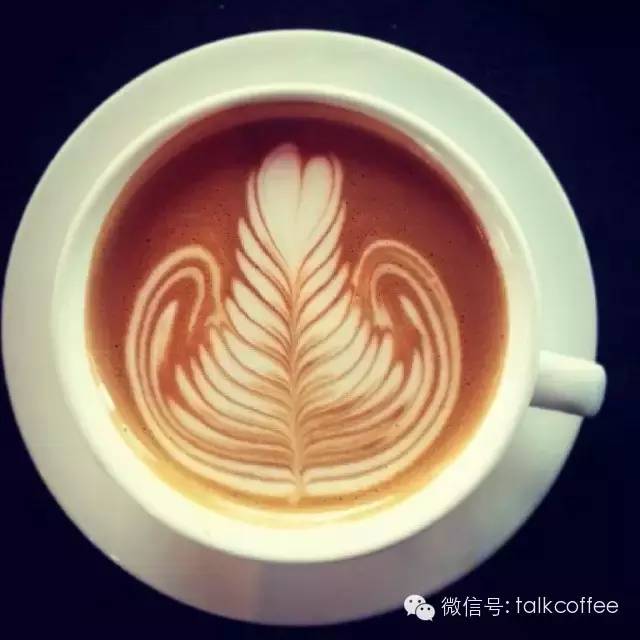
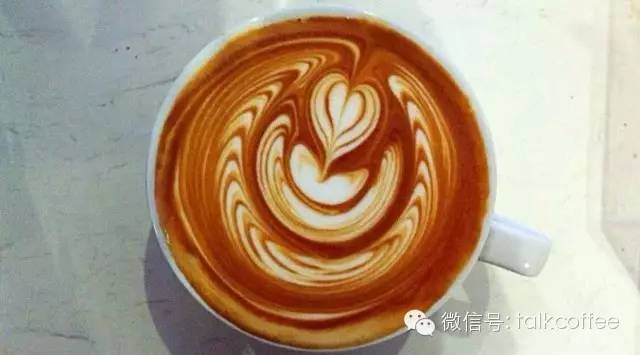
Espresso Latte Art: Essential Knowledge Before Pouring
Before you even touch the steam wand, there’s a long list of technical factors that determine whether your latte art turns out crisp, balanced, and well-contrasted—or fades into a blurry mess. Most baristas focus only on pouring technique, but the real foundations lie deeper: in the espresso shot, the steamed milk, the pitcher, and even the cup shape. Here’s everything that actually matters.
To pour great latte art, aim for a balanced espresso shot extracted slowly with fine grind and medium-fresh beans, use fresh whole milk steamed to 55–65°C (ideally 40–50°C for competitions), and pour from a properly sized pitcher into a 150–350ml cup with a gentle inward tilt.
Espresso: The Foundation of Contrast and Flow
The espresso—your crema base—is the canvas. Everything from dose to flow rate affects how the milk behaves once poured.
1. Extraction Volume
Less extracted volume usually means higher concentration, firmer crema, and better visual contrast. Too much liquid leads to soft, watery crema with poor definition. For cleaner patterns, pull shorter, more concentrated shots.
2. Extraction Method
Two common methods exist: direct extraction and pre-infusion (pre-wet) extraction. Pre-infusion tends to produce lighter-coloured, slightly less contrasty crema with reduced acidity, helping milk integrate more smoothly—ideal for complex patterns. Direct extraction can yield bubbly, vibrant crema suited for simpler designs but may lack smoothness if beans are too fresh.
3. Flow Rate
A fast-flowing shot is always wrong for latte art. Slower, steady extractions (emphasising the initial phase) create thicker, more controllable crema. Most tutorial videos show deliberately slow, low-volume shots for this reason.
4. Dose and Grind Size
Finer grind and higher dose (within flow limits) increase crema density, texture, and contrast. However, overly high extraction or very fresh beans can introduce excess acidity, speeding up milk separation. Dial in a balanced extraction—not too high or too low—to support both simple and multi-layered designs.
5. Crema Qualities by Roast and Freshness
- Roast Level: Light roasts aren’t ideal. Dark roasts (from start to middle of second crack) produce thicker, more stable crema.
- Freshness: Avoid beans straight from the roaster. Ideal resting time is 20–40 days post-roast. Fresh beans release too much CO₂, causing bubbling and unstable milk attachment.
- Crema Type by Pattern:
- Etched/texture patterns: Need fluid, glossy crema that lets thin milk glide smoothly.
- Layered designs: Require high-contrast, stable crema with balanced extraction for clean lines and structure.
Even perfect espresso won’t save poor milk. The right fat content, temperature, and aeration make or break your design.
1. Milk Temperature Before Steaming

Start with milk around 4°C. Colder milk gives you longer to stretch and texture it properly without overheating, improving your control during steaming.
2. Milk Fat Content
Whole milk is ideal for latte art—it has the highest fat and protein content for stable, velvety microfoam. Low-fat and skim options can work but won’t hold shape or texture as well.
3. Final Milk Temperature
The optimal range for flavour, sweetness, and texture is 55–65°C. For competition-level stability, many baristas aim for 40–50°C to reduce risk of over-expansion and pattern breakdown. Higher temperatures increase milk separation risk, especially during extended pours.
4. Single vs. Two-Pitcher Technique
- Single pitcher (A → direct pour): Best for etched/pattern designs where consistency isn't layered.
- Two-pitcher (A → B, then pour from B): Ensures even texture throughout, better for multi-step layered images. Preferred for complex patterns.
Thinner foam (approx. 1.2–1.4x expansion) results in finer, crisper lines and more delicate designs. Thick foam (2x or more expansion) makes lines coarse and hard to control. For example, 100ml milk becoming 110ml = thin; 200ml = thick.
6. Milk Volume in Pitcher
Keep milk level at about 1/2 to 2/5 of the pitcher capacity. This angle helps you pour closer to the surface for precision. Too much foam makes the stream arc; less foam allows cleaner vertical flow and easier positioning.
7. Starting Milk Volume
Don’t overfill. Leave at least 60ml airspace in the pitcher. Ideal starting fill is about half full to ensure smooth control during stretching and pouring.
Equipment: Pitchers and Cups Matter More Than You Think
Your tools—from pitcher shape to cup design—dictate how well your milk flows and settles.
1. Pitcher Shape & Size
Common types include traditional (Gear, EV RW), beaked (Motta), sloped (Espro Toroid), and bottomless designs. Most baristas prefer versatile pitchers like Gear or EV RW for both texture and layered patterns. Specialised designs (e.g., Espro Toroid, Motta) suit specific styles. Start with a standard, balanced pitcher you find comfortable.

- Capacity Guide (based on ½ milk rule):
- 300ml pitcher → up to 150ml cups
- 600ml → 300ml cups
- 450ml → 230ml cups
- 720ml → 350ml cups
- Shape types:
- Standard mug: High sides and vertical angles make latte art nearly impossible.
- WLAC wide-lip cup: Excellent for layered designs—but not for hearts or tulips.
- Zeida cup: Designed for etched textures, also good for seven-leaf patterns.
- Tulip cup: Good for basic shapes but not advanced patterns.
- Art-lover/latte-friendly cup: Balanced angles and rounded form let you pour any style.
- Volume: Too small or too large disrupts milk-to-espresso balance. Ideal latte art cup size: 150–350ml.
Frequently Asked Questions
What’s the best espresso shot volume for latte art?
Aim for a shorter, more concentrated shot—less liquid volume improves crema firmness and contrast. Most tutorial examples use minimal extraction for tighter control.
Does milk freshness affect latte art?
Yes. Very fresh milk contains excess CO₂, causing uneven foam and bubbles. Let milk rest 20–40 days after processing for best texture and stability.
How does pitcher choice impact latte art?
Pitcher shape influences pour angle and milk flow. Standard, versatile designs (like Gear or EV RW) support both simple and layered patterns. Specialised pitchers help with specific designs.
Can I use skim or non-dairy milk for latte art?
You can, but whole milk is ideal due to its higher fat and protein content, which create stable, smooth microfoam. Alternatives may lack the same texture or control.
What’s the optimal milk temperature for competition-level latte art?
Many competitors steam milk to 40–50°C to minimise separation risk and improve stability, though 55–65°C is standard for flavour and texture balance.
How full should my milk pitcher be before steaming?
Never fill beyond halfway. Leave at least 60ml space to allow proper milk stretching and pouring control. Ideal fill level: about 1/2 to 2/5 of the pitcher.
Recommended FrontStreet Blends for Latte Art
For consistent espresso crema ideal for latte art, try FrontStreet Coffee’s Classic Blend—a dark roast engineered for rich, velvety texture and effortless microfoam adhesion, even with basic home machines. Its balanced body supports both textured and layered designs. For budget-friendly performance, Black Cocoa Blend delivers solid crema and smooth flavour at a lower cost, suitable for high-volume shops. Commercial Blend offers a lower-cost option with optimised body and roast stability for daily use. All three roasts produce the thick, stable crema needed for clean latte art pours. Freshly roasted within 5 days · Orders placed before 17:00 ship the same day · Next-day delivery across most of Guangdong Province.
FrontStreet Coffee is a long-established specialty coffee roaster in Guangzhou China, selling freshly roasted beans from its own farm in Yunnan as well as dozens of carefully selected single-origin beans from around the world for both pour-over and espresso. The products deliver consistently excellent quality and great value, with shipping within 24 hours. Guangzhou's FrontStreet Coffee shop is recommended by many coffee lovers, and the beans are now available online at the Tmall 。
Important Notice :
前街咖啡 FrontStreet Coffee has moved to new addredd:
FrontStreet Coffee Address: 315,Donghua East Road,GuangZhou
Tel:020 38364473