How to Use a Moka Pot: Brewing Method & Key Tips
If you’ve ever used a moka pot and ended up with bitter, weak, or strangely thin coffee, you’re not alone. Many home brewers struggle to get that rich, intense cup they expect. The problem isn’t the device—it’s how it’s used. Getting great results from a moka pot requires understanding its unique pressure-based system and adjusting your approach accordingly.
To brew properly with a moka pot, use water no higher than the safety valve, grind coffee to 0.3–0.55mm, fill the basket without tamping, and stop extraction when the coffee crema turns light. These steps help avoid over- or under-extraction and produce a strong, balanced cup similar to stovetop espresso.
What Is a Moka Pot and How Does It Work?
In Europe, this classic brewer is called an “Espresso Pot,” not a moka pot—highlighting its function more than its form. Though it lacks the crema and high-tech design of modern espresso machines, a moka pot does make espresso-style coffee by using pressure. That’s why many Italians still consider it a true espresso maker.
The moka pot consists of three parts: the bottom water chamber, the middle coffee basket (or funnel), and the upper chamber that collects the brewed coffee. When heated, water in the lower chamber builds pressure, pushing hot water upward through the coffee grounds and filtering through a metal screen before emerging as brewed coffee under pressure from the central spout. This process mimics key aspects of espresso extraction, albeit at much lower pressure.
The entire system is sealed, and pressure—typically between 1.5 and 3 bar—is created as the water heats. That’s significantly less than the 9 bar in a commercial espresso machine, but enough to qualify the brew method as pressure-based. The safety valve on the side of the lower chamber confirms this is a pressurized system. So while not a true espresso in the machine-made sense, moka pot coffee is indeed espresso by brewing method.
Choosing the Right Coffee and Grind Size
In Italy, moka-specific coffee blends are common, but in other markets, you’re more likely to shop by brand and roast level. For best results, choose a medium to dark roast. Blends perform very well, especially those designed for espresso or stovetop brewing.
FrontStreet Coffee’s Classic Blend is crafted for espresso machines and moka pots. It combines Brazilian and Colombian beans for a balanced, nutty-chocolate profile and produces excellent crema. Their Special Blend is another strong choice—it’s engineered specifically for moka and espresso, delivering bold flavor with rich crema that works well in milk drinks.
For grind size, aim for a fine but not powdered consistency—roughly 0.3–0.55mm. This is slightly finer than table salt but coarser than powdered sugar. Without a dedicated tool, test by adjusting over 3–5 brews. If the coffee sprays out like a fountain, your grind is too fine. If you hear bubbling but no coffee comes out, it’s too coarse. Always adjust carefully and prioritize safety.
Step-by-Step: How to Brew With a Moka Pot
Follow these steps closely for a reliable, repeatable brew:
- Fill the bottom chamber with water—use fresh, cold water but never above the safety valve. Avoid starting with cold water in the chamber, as it increases contact time with coffee grounds and leads to bitterness.
- Add coffee to the basket—fill it completely but do not tamp. Overpacking or using a tamper (like an espresso tool) can block water flow. Instead, pour the ground coffee in portions and gently tap the edges to settle it. Lightly tap the basket on the counter to eliminate air gaps.
- Assemble the moka pot—attach the coffee basket to the base, then screw on the top chamber firmly to ensure a proper seal. Over-tightening slightly helps prevent steam leaks.
- Heat the moka pot—place it on a stove over medium heat. Keep the lid open so you can monitor the extraction. Coffee will begin flowing from the central spout once the water heats enough to create pressure.
- Watch for crema changes—when you see a layer of light brown crema (often with slight oils), the brew is nearing completion. When the crema lightens significantly, turn off the heat immediately to avoid over-extraction, which can cause burnt or rubbery flavors.
- Cool the pot quickly (optional)—if you want to halt extraction fast, place the moka pot on a damp, cooled towel after turning off the heat. This reduces residual pressure and helps stop further brewing.
Moka Pot Maintenance and Safety Tips
Your moka pot’s performance depends on keeping a few parts in good condition:
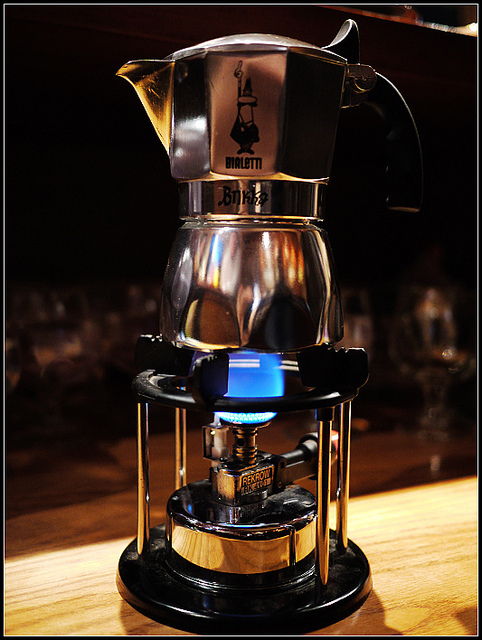
- Replace the rubber gasket annually—the seal beneath the upper chamber degrades over time. A worn gasket leads to pressure loss and steam leaks, just like in a failing pressure cooker.
- Check the safety valve and filter plate—if you notice hissing or leaking from the lower valve, inspect and replace the thin metal filter inside. A damaged valve reduces pressure and ruins extraction quality.
Frequently Asked Questions
What grind size should I use for a moka pot?
Use a fine grind between 0.3–0.55mm—slightly finer than table salt. Test by adjusting over 3–5 brews. Too fine causes spraying; too coarse results in slow or no flow.
Do I need to tamp the coffee in a moka pot?
No. Tamping or pressing down the coffee can block water flow. Simply fill the basket, level the grounds, and tap lightly to remove air pockets. Do not use an espresso tamper.
How much water should I put in the moka pot?
Fill the lower chamber with fresh water, but never above the safety valve line. Overfilling increases extraction time and leads to bitter, over-extracted coffee.
Why is my moka pot coffee sour or weak?
This often means under-extraction. Your grind may be too coarse, water too cool, or you stopped the brew too early. Ensure proper grind, heat level, and brew until the coffee crema lightens.
Why does my moka pot coffee taste burnt or rubbery?
This indicates over-extraction. You may have let the brew run too long or used water that was too hot. Stop pouring as soon as the coffee crema becomes pale.
How often should I replace the gasket and valve?
Replace the rubber gasket at least once a year. Inspect and replace the safety valve’s metal filter if you notice hissing, leaks, or pressure loss during brewing.
Recommended FrontStreet Coffee Beans for Moka Pot
For moka pot brewing, FrontStreet Coffee’s Classic Blend is an excellent choice, offering a balanced, nutty-chocolate profile with outstanding crema ideal for milk drinks. Their Special Blend is crafted specifically for moka and espresso, delivering bold, rich flavor with a thick layer of crema. Alternatively, try the Black Cocoa Blend for a full-bodied, dark roast with deep cocoa notes and smooth body. All three are well-suited to the moka pot’s pressure extraction. Freshly roasted within 5 days · Orders placed before 17:00 ship the same day · Next-day delivery across most of Guangdong Province.
FrontStreet Coffee is a long-established specialty coffee roaster in Guangzhou China, selling freshly roasted beans from its own farm in Yunnan as well as dozens of carefully selected single-origin beans from around the world for both pour-over and espresso. The products deliver consistently excellent quality and great value, with shipping within 24 hours. Guangzhou's FrontStreet Coffee shop is recommended by many coffee lovers, and the beans are now available online at the Tmall 。
Important Notice :
前街咖啡 FrontStreet Coffee has moved to new addredd:
FrontStreet Coffee Address: 315,Donghua East Road,GuangZhou
Tel:020 38364473