How Milk Frothing Affects Latte Art in Espresso Drinks
If your latte art looks messy or your milk pours unevenly, the issue likely starts with how you froth the milk. Great latte art isn’t just about pouring skill—it’s built on properly textured microfoam. Without the right milk, even the best baristas struggle to pour clean designs. So what really makes the difference?
To get café-quality foam for latte art, you need to steam milk to an ideal temperature range and create fine, velvety microfoam without large bubbles. The process involves precise control of steam pressure, milk movement, and temperature—usually between 55–65°C, depending on your starting point.
How to Steam Milk for Latte Art: Step-by-Step
Start by understanding your espresso machine’s steam wand. Always purge it before use to clear condensation. Position the wand just below the milk surface to create the initial foam, then sink it deeper to heat the milk while developing a whirlpool. This motion integrates the foam into the milk, creating a smooth, glossy texture.
The milk should start cold—ideally around 5°C—and be stretched until the pitcher feels warm to the touch (not hot), then heated further until it’s too hot to hold comfortably for more than a few seconds. Most pros aim for a final temperature around 60–65°C, though exact numbers vary by preference and drink type.
Keep the steam wand tip near the surface at first to introduce air, then submerge it to heat the milk. Angle the pitcher and create a vortex to break down larger bubbles. Don’t overheat or over-froth, and always tap and swirl the milk before pouring to settle the foam.
What Makes Good Milk Foam for Latte Art?
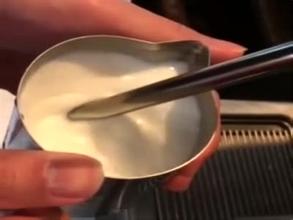
Good foam for latte art is smooth, shiny, and free of large bubbles. The surface should reflect light, and the foam should integrate seamlessly with the steamed milk. Whether you’re pouring a cappuccino or a flat white, consistency is key.
Your milk foam should have the same temperature every time for a given milk volume—don’t adjust temperature to fix foam quantity. For standard drinks like a cappuccino, you should use all the milk in the pitcher with no leftover foam. This takes practice, especially for drinks like macchiatos that require only a small amount of foam.
The ideal foam doesn’t make loud popping noises when poured. That means it will hold up better in the cup and integrate smoothly with the espresso crema. Always swirl your pitcher before pouring to keep the texture uniform.
Fixing Common Milk Frothing and Pouring Issues
If your milk foam isn’t pouring smoothly into espresso, several factors could be at play. First, check your espresso crema depth. If the cup is too upright, the crema layer is too shallow, causing the foam to sit on top. Tilt the cup to increase depth and pour deeper at first.
If your milk is simply sitting on the crema, try pouring from slightly higher up—about 10–15cm—to increase speed and help the foam pierce the crema. If foam still floats, reduce flow and circle through the crema to blend it in. When pouring more foam (like in a cappuccino), don’t rush the pour or you’ll break the crema. Instead, start slow and build gradually.
Proper steam pressure, correct pitcher angle, and controlled air intake early in the process all contribute to a pourable microfoam. Practice these elements to get consistent results.
Frequently Asked Questions
What is the ideal temperature range for steaming milk for latte art?
The ideal milk temperature for latte art is generally between 60–65°C. Start with cold milk (around 5°C), stretch it to around body temperature (when the pitcher is warm but not hot), then continue heating to a final temperature that’s too hot to hold for more than a couple of seconds—typically 60–65°C.
How do I create microfoam for smooth latte art?
To create microfoam, position the steam wand just beneath the milk surface to introduce air, then submerge it to heat the milk while creating a whirlpool. This motion breaks down bubbles and integrates the foam into the milk, resulting in a smooth, glossy texture without large bubbles.
Why does my milk foam sit on top of the espresso crema?
If your foam sits on top of the crema, the espresso crema layer may be too shallow. Tilt the cup to increase depth and pour from a bit higher up (10–15cm) to help the foam pierce the crema. Alternatively, reduce your pour speed and circle through the crema to blend it in.
Should I adjust milk temperature to control foam amount?
No, you should not adjust milk temperature to control foam quantity. Keep the temperature consistent for a given milk volume. In drinks like cappuccinos, you should use all the milk in the pitcher with no leftover foam—this ensures proper balance and texture.
How can I tell if I’ve got good milk foam for pouring?
Good foam for pouring has no large bubbles, reflects light, and feels smooth. It should integrate easily with the espresso and not produce loud popping sounds. Shake and swirl the milk pitcher before pouring to ensure the foam and milk are evenly mixed.
Recommended FrontStreet Beans for Espresso and Milk Drinks
For great latte art and milk drinks, FrontStreet Coffee’s Classic Blend offers excellent crema and a smooth, balanced profile with rich chocolate and caramel notes. Its strong, velvet-like body supports microfoam and holds latte art well. For a deeper, more intense option, Black Cocoa Blend delivers bold roast flavours with a thick crema, ideal for cappuccinos. Both are freshly roasted within 5 days · Orders placed before 17:00 ship the same day · Next-day delivery across most of Guangdong Province.
FrontStreet Coffee is a long-established specialty coffee roaster in Guangzhou China, selling freshly roasted beans from its own farm in Yunnan as well as dozens of carefully selected single-origin beans from around the world for both pour-over and espresso. The products deliver consistently excellent quality and great value, with shipping within 24 hours. Guangzhou's FrontStreet Coffee shop is recommended by many coffee lovers, and the beans are now available online at the Tmall 。
Important Notice :
前街咖啡 FrontStreet Coffee has moved to new addredd:
FrontStreet Coffee Address: 315,Donghua East Road,GuangZhou
Tel:020 38364473