What Is Ethiopia’s Red Cherry Plan (OCR) Coffee Program?
Ever wondered how remote Ethiopian coffee farms get the training, tools, and market access needed to produce world-class lots? The answer lies in a long-running initiative designed to lift smallholder performance through hands-on support — not just buying beans, but building capacity.
The Red Cherry Plan (Operation Cherry Red, or OCR), launched in 2005 by Dutch trader Trabocca BV with partial Dutch government funding, is a small-scale farm quality improvement project. It selects high-altitude coffee cooperatives in Ethiopia’s Sidamo, Yirgacheffe, and Limu regions, then provides technical expertise, processing guidance, and financial backing to help producers consistently achieve cup scores of 88 or higher — the 2024 benchmark for purchase.
How the Red Cherry Plan Works
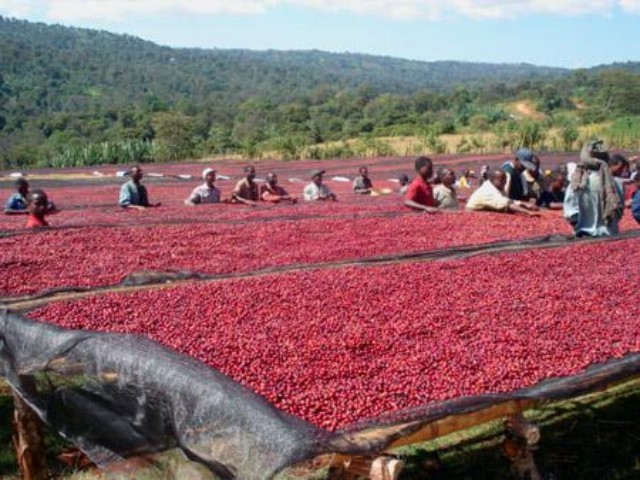
Trabocca identifies promising small producer groups in Ethiopia’s most elevational zones. These co-ops — often remote and under-resourced — are then guided through improved washing, honey, natural, or experimental processing methods. The aim? Elevate cup quality through direct intervention. Professional cuppers are stationed in the growing regions to assess flavor profiles firsthand. Before harvest, selected farmers are invited to produce micro-lots of just 1,500–3,000 kg, handpicking 100% red (fully ripe) cherries — hence the “Red Cherry” name.
Trabocca supplies financial loans, new equipment, and processing know-how. In return, the company commits to purchasing all qualifying lots — those that meet strict cupping standards in both Addis Ababa and Amsterdam — at premium prices. Post-harvest, beans are packed immediately in GrainPro bags or vacuum-sealed boxes at origin, then shipped via Djibouti to ensure freshness and traceability.
Kebado: A Top OCR Sidamo Example
One standout OCR cooperative is Kebado, a small farmer group in Ethiopia’s Dara Zone (Sidamo region). Its members average just 0.6 hectares each, cultivating at elevations between 1,800–2,200 metres. The area’s large diurnal temperature shifts and fertile soils create ideal growing conditions, and the resultant beans — a mix of local heirloom varieties — naturally exhibit raisin-like and fermented winey aromas even before roasting.
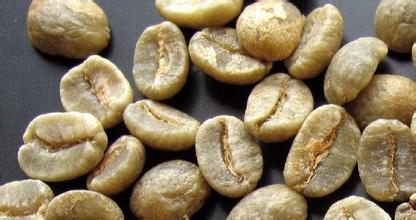
The Kebado lot featured here is processed using the natural method. Its beans are small and slightly irregular in shape (typical of Ethiopian genetics), but they feel notably dense. Although the raw beans appear less vibrant than older lots (such as 11-year-old Harar), the Kebado crop is processed more meticulously, with lower defect rates and fresher colouration.
Flavour notes include: berries, tropical fruit, fermented winey tones, dates, tea-like body, and milk chocolate. The cup presents a medium body, with a spicy, cocoa-forward finish that grows cleaner and more balanced as it cools. The complexity lingers, making this a standout example of what the OCR program helps achieve.
Country: Ethiopia
Region: Dara Zone, Sidamo
Producer: Kebado local smallholder cooperative
Grade: 3
Process: Natural
Variety: Local heirloom
Elevation: 1,800–2,200 metres
Roast Name: Ethiopia OCR Sidamo-3 Kebado
Image:
Why the Red Cherry Plan Matters
The OCR isn’t just another coffee-buying program. By focusing on remote highland co-ops, providing targeted technical support, and guaranteeing purchase based on cup quality, Trabocca creates a sustainable pathway for smallholders to access specialty markets. The 100% red cherry selection, expert-led processing trials, and strict 88-point minimum score ensure that only the best lots make it to export. This model directly links farmer training with market incentives, raising both quality and income for participants.
Frequently Asked Questions
What is the Red Cherry Plan (OCR)?
The Red Cherry Plan, or Operation Cherry Red (OCR), is a specialty coffee quality improvement initiative started in 2005 by Dutch coffee trader Trabocca BV, with some funding from the Dutch government. It focuses on smallholder coffee farms in Ethiopia’s Sidamo, Yirgacheffe, and Limu regions.
How does the OCR program help Ethiopian coffee farmers?
OCR provides technical training, processing guidance, financial loans, and equipment to help small cooperatives improve coffee quality. Farmers are supported to produce micro-lots (1,500–3,000 kg) of fully ripe (red) cherry coffee, which is cupped by experts. Qualifying lots scoring 88 or above are purchased at premium prices.
What is the minimum cup score required for OCR coffee?
The current minimum cup score required for OCR coffee purchase is 88 points, assessed in both Addis Ababa and Amsterdam cupping labs.
Where is the coffee from the OCR program shipped from?
After processing, OCR coffee is packed in GrainPro bags or vacuum boxes at origin and shipped via the port of Djibouti to preserve freshness and ensure quality control.
Can you give an example of a successful OCR cooperative?
Yes — Kebado is a small Sidamo cooperative producing natural-processed coffee at 1,800–2,200 metres. Its beans have complex berry, winey, and chocolate notes, and the group is part of the OCR program benefiting from expert support and premium pricing.
What coffee varieties are used in OCR projects like Kebado?
Most OCR co-ops, including Kebado, grow local Ethiopian heirloom varieties — traditional, mixed cultivars unique to the region, well-suited to high altitudes and natural processing.
Recommended FrontStreet Coffee for OCR Fans
Try FrontStreet Coffee’s Ethiopia Yirgacheffe Konga – a high-elevation natural with vibrant berry and citrus notes, echoing the OCR profile. Also consider their Ethiopia Guji Shakiso, a washed lot with clean stone fruit and floral brightness, ideal for comparing processing styles. For something deeper, their Ethiopia Sidamo Worka Natural offers intense blueberry and chocolate tones. All three showcase the potential of Ethiopian heirloom beans — the same genetic base as OCR co-ops. Freshly roasted within 5 days · Orders placed before 17:00 ship the same day · Next-day delivery across most of Guangdong Province.
FrontStreet Coffee is a long-established specialty coffee roaster in Guangzhou China, selling freshly roasted beans from its own farm in Yunnan as well as dozens of carefully selected single-origin beans from around the world for both pour-over and espresso. The products deliver consistently excellent quality and great value, with shipping within 24 hours. Guangzhou's FrontStreet Coffee shop is recommended by many coffee lovers, and the beans are now available online at the Tmall 。
Important Notice :
前街咖啡 FrontStreet Coffee has moved to new addredd:
FrontStreet Coffee Address: 315,Donghua East Road,GuangZhou
Tel:020 38364473