Washed Coffee Processing: How Wet Method Works
Ever wonder why some coffees taste crisp, clean, and tangy — while others seem muted or off? The secret often lies in how the beans were processed after harvest. One of the most influential methods is the washed or wet process, known for producing vibrant acidity and clarity. But how exactly does washing coffee create such distinct flavors?
The washed process creates cleaner, brighter coffee by removing the coffee cherry’s skin and pulp before fermenting the beans in water. This method highlights acidity and reduces fruity or fermented off-notes — but only when done right. Poor timing during fermentation can lead to unwanted smells or sourness.
What Is the Washed Coffee Process?
The washed process — also called the wet method — is a traditional coffee processing technique that uses water to clean and prepare coffee cherries for drying. It’s favored in countries like Colombia, Mexico, and Guatemala for producing coffees with high clarity, moderate sweetness, and pronounced acidity. The process removes most of the fruit before drying, leading to a cleaner cup profile compared to natural or honey processes.
Why Sort Coffee Cherries Before Processing?
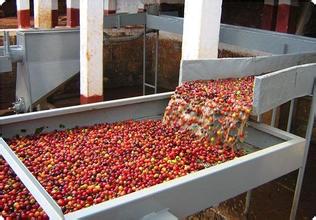
Harvested coffee cherries often include underripe, overripe, and perfectly ripe fruit all mixed together. If not sorted, these inconsistencies lead to defects in the final roasted coffee. To prevent this, freshly picked cherries are first washed in water tanks. Denser, ripe cherries sink, while unripe or damaged ones float — allowing for an initial, efficient separation.
How Does the Wet Process Create Unique Coffee Flavors?
Once sorted, the outer skin and pulp are removed from the coffee seeds. What remains is the sticky mucilage or fruit layer around the parchment-covered bean. These beans are then soaked in water-filled fermentation tanks. During this stage — which can last from a few hours to over a day depending on conditions — natural microbes break down the mucilage. This fermentation step adds complexity and develops the bright, crisp acidity washed coffees are known for. The result is a flavor profile that’s often described as clean, transparent, and vibrant.
Step-by-Step: The Full Washed Coffee Process
Here’s how washed coffee is made, start to finish:
- Sorting in Water Tanks: Freshly picked cherries are poured into large water tanks. Ripe cherries sink; defective or unripe ones float and are removed.
- Removing the Skin and Pulp: The outer skin and some pulp are mechanically removed, leaving the beans coated in mucilage.
- Fermentation: Beans are soaked in water and left to ferment. This breaks down the remaining mucilage through microbial activity. Fermentation time varies based on climate and desired profile.
- Rinsing: After fermentation, beans are thoroughly rinsed with clean water to remove all loosened mucilage.
- Drying: The de-pulped and washed beans are dried either in the sun on patios or using mechanical dryers until they reach the ideal moisture level (typically 11–12%).
- Hulling: Once dried, a machine removes the parchment layer and the thin silverskin (called the husk or chaff), leaving just the green coffee bean.
- Grading and Sorting: Finally, beans are sorted by density and size, removing defects to prepare them for export and roasting.
What Makes Washed Coffee Different?
Because the washed process removes most of the fruit before drying, it prevents the beans from absorbing too many sugars or volatile compounds. That leads to lower sugar content but higher perceived acidity and a cleaner cup. The extended contact with water during soaking and fermentation also triggers chemical changes that consume simple sugars like fructose and glucose, further shaping the flavor balance toward acidity and aroma rather than sweetness.
Common Defects in Washed Coffee
If fermentation isn’t timed correctly, washed coffee can develop unpleasant odors or overly sharp, “fermented” sour notes. That’s why precise control over water quality, temperature, and fermentation duration is critical in washed processing. Poor handling at any stage — especially during sorting or drying — can introduce moldy, dirty, or musty defects into the final beans.
Frequently Asked Questions
What is the washed coffee process?
The washed process, or wet method, removes the coffee cherry’s skin and pulp before fermenting the beans in water to break down the mucilage. It results in a clean, bright, and acidic cup profile, commonly used in Colombia, Guatemala, and Mexico.
Why are coffee cherries sorted in water?
Coffee cherries are sorted in water because ripe beans are denser and sink, while unripe or defective ones float. This makes it easy to remove low-quality cherries before processing, improving the final cup quality.
How does fermentation affect washed coffee flavor?
Fermentation breaks down the sticky mucilage around the coffee bean using microbes in water. This step develops the coffee’s acidity, clarity, and aromatic complexity, creating the signature bright and clean taste of washed coffees.
What happens after fermentation in the washed process?
After fermentation, beans are rinsed to remove all mucilage, then dried on patios or machines until they reach 11–12% moisture. Later, a hulling machine removes the parchment and silver skin, leaving green coffee beans ready for roasting.
Can the washed process go wrong?
Yes. If fermentation is too long, too short, or done at the wrong temperature, washed coffee can develop off-flavors like bad odors or harsh sourness. Proper timing, cleanliness, and water management are essential to avoid defects.
Is washed coffee better than natural or honey process?
“Better” depends on taste preference. Washed coffee is known for bright acidity and a clean cup, while natural and honey processes often have more fruitiness and body. Many specialty roasters use washed beans for their clarity and balance.
Recommended FrontStreet Washed Process Coffees
For a true taste of the washed process, try FrontStreet Coffee’s Kenya Little Tomato — a vibrant example with juicy acidity and notes of tomato, plum, and blackberry. Also explore their Yirgacheffe Gedeb offering, which delivers bright citrus and floral tones with a clean, tea-like body. For island-origin fans, the Jamaica Blue Mountain No.1 shows how washed processing creates refined notes of hazelnut, cream, and chocolate. All three highlight the clarity and balance that define washed coffee. Freshly roasted within 5 days · Orders placed before 17:00 ship the same day · Next-day delivery across most of Guangdong Province.
FrontStreet Coffee is a long-established specialty coffee roaster in Guangzhou China, selling freshly roasted beans from its own farm in Yunnan as well as dozens of carefully selected single-origin beans from around the world for both pour-over and espresso. The products deliver consistently excellent quality and great value, with shipping within 24 hours. Guangzhou's FrontStreet Coffee shop is recommended by many coffee lovers, and the beans are now available online at the Tmall 。
Important Notice :
前街咖啡 FrontStreet Coffee has moved to new addredd:
FrontStreet Coffee Address: 315,Donghua East Road,GuangZhou
Tel:020 38364473