Beginner’s Guide to Coffee Brewing Methods & Equipment
If you’ve ever wondered why your homemade coffee doesn’t taste like the café’s—even though you’re using similar beans—then you're not alone. The secret lies not just in the beans, but in how you grind them, what device you use, and how you brew. The right setup can transform your daily cup.
To brew great coffee at home, start with freshly roasted whole beans ground just before brewing. Match your grind size to your brewing method—finer for espresso, medium for pour-over, coarser for French press. Use the correct water temperature, brew time, and ratio. Each method brings out different flavours from the bean.
Why Grind Size Matters in Brewing Coffee
The way you grind coffee beans has a massive impact on how your coffee tastes. When you grind coffee, you break open the bean’s cells, releasing oils and aromatics. But grind too fine or too coarse for your method, and you’ll either over-extract (bitter) or under-extract (weak).
Different brewing methods need different grind sizes:
- Pour-over : Medium-fine, like table salt
- French Press : Coarse, like sea salt flakes
- Espresso: Fine, like powdered sugar
- Siphon : Medium-fine to fine
- Cold Drip : Very coarse
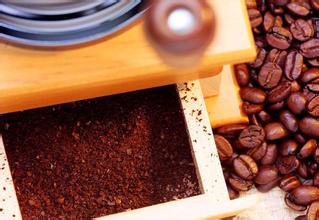
Always grind right before brewing to preserve freshness and aroma. Blade grinders (cheap) can produce uneven grounds and heat; burr grinders (more expensive) offer more consistent results. Aim for uniformity to ensure even extraction.
The Arabic Coffee Pot: A Traditional Boiling Method
The Arabic coffee tradition, originating from the Middle East, boils finely ground coffee multiple times for intense flavour. Unlike filtered methods, it doesn’t use paper filters, resulting in a strong, unfiltered cup with fine coffee particles and often added spices.
To make Arabic coffee, you traditionally use a small copper pot with a long handle called a dallah. The standard recipe includes:
- 2 tablespoons finely ground coffee
- 1 tablespoon sugar
- 1 cup water
The mixture is brought to a boil three times. After the third boil, it’s ready to serve. You can add a cardamom pod for extra flavour. This method produces a thick, strong, and aromatic coffee, often served unfiltered.
How to Brew Coffee Using Common Home Methods
Here’s a breakdown of the most common manual and automatic coffee brewing methods used at home, along with key details for each.
1. Pour-Over
One of the most popular brewing styles worldwide—especially in Germany and the United States—pour-over involves pouring hot water through coffee grounds in a filter. It highlights clarity and subtle flavours.
How to brew:
- Pre-warm your pour-over dripper and cup
- Place a paper filter and rinse it with hot water
- Add medium-fine ground coffee (about 2 tablespoons per 240ml)
- Start with a small pour to bloom the coffee (release CO₂)
- Pour hot water (just off boiling, ~93°C) in a circular motion
- Total brew time: around 3 minutes
Using a gooseneck kettle helps control pour speed and distribution. Avoid using finely ground coffee as it can clog the filter and slow dripping. Coarse grounds lead to under-extraction and weak flavour.
Electric pour-over machines are also available and can improve consistency over manual methods.
2. French Press
Also known as a plunger pot or cafetière, the French Press is a full-immersion brewing device where coffee steeps in hot water before being separated by a metal filter.
Brew ratio and steps:
- Coffee to water ratio: at least 4 teaspoons (about 20g) per 500ml of water
- Use medium-coarse grind
- Steep for 3–5 minutes
- Press the plunger down slowly
The metal filter allows natural oils and fine particles into the cup, giving a fuller body. Avoid pressing too quickly to prevent over-extraction or sediment in the cup. It’s simple, retains maximum flavour, and doesn’t use paper filters.
3. Siphon
The siphon coffee maker, invented in the 1840s but popularised in the 1900s, uses vapor pressure and vacuum to brew coffee. It’s made of two glass globes and often heated with an alcohol lamp, giving it a laboratory-like appearance.

How it works:
- Water heats in the bottom globe and rises into the top chamber
- Finely ground coffee is added and stirred
- After heating, remove the heat source
- Coffee brew drips back down through a filter
This method highlights clarity and body, and the visual process adds to the experience. Be sure to clean the glass thoroughly after each use and dry the outside before heating to avoid cracks. The cloth filter should be rinsed and stored in water in the fridge.
4. Moka Pot
A staple in Italian households, the Moka Pot brews strong coffee using steam pressure. It looks like a miniature boiler and produces a coffee similar to espresso but not quite the same.
How to use:
- Fill the bottom chamber with water
- Add finely ground coffee to the filter basket
- Assemble and place on a stove over medium heat
- Once brewed, the coffee collects in the upper chamber
The entire process takes about a minute and delivers a strong, concentrated brew. Avoid overfilling or using too fine a grind, which can cause excessive pressure.
5. Cold Drip
Cold drip coffee is made by slowly dripping cold or room-temperature water over coffee grounds over many hours. It produces a smooth, low-acidity coffee concentrate.
Key detail from the article: Cold drip uses a rate of 60 drops per minute and extracts flavour at 0°C, preserving the coffee’s original aromas.
It’s ideal for making iced coffee or coffee cocktails, and often enjoyed diluted with water or milk.
Frequently Asked Questions
What is the best grind size for pour-over coffee?
The ideal grind size for pour-over is medium-fine, similar to table salt. This allows for an optimal extraction time of around 3 minutes with good clarity and flavour balance. Avoid grind sizes that are too fine (which can clog the filter) or too coarse (which leads to under-extraction).
How does a French Press differ from pour-over?
A French Press uses full immersion and a metal filter, resulting in a fuller-bodied coffee with more oils and fine particles in the cup. Pour-over uses a paper filter and drip method, highlighting clarity and lighter body. French Press uses coarser grind, while pour-over typically uses medium-fine grind.
Why do you boil Arabic coffee three times?
Arabic coffee is boiled three times in a traditional copper pot (dallah) to intensify its flavour and strength. This boiling process extracts more oils and compounds, resulting in a thicker, richer cup without using a paper filter. Spices like cardamom are often added for extra aroma.
What is the proper brew time for siphon coffee?
The total brew time for a siphon coffee maker is typically around 3 to 4 minutes, depending on heating and cooling cycles. The coffee drips down after the heat is removed, completing the extraction as the vapour pressure equalises. It’s important to watch the heat source carefully to control the brewing process.
Can I use any coffee beans in a Moka Pot?
Yes, you can use any coffee beans in a Moka Pot, but finely ground beans roasted to medium or dark profiles work best. The Moka Pot produces a strong brew similar to espresso, so beans that suit espresso or moka-style brewing will bring out the best flavour.
How does cold drip coffee differ from iced coffee?
Cold drip coffee is made by slowly dripping cold or room-temp water through coffee grounds over several hours, resulting in a smooth, low-acid concentrate. Iced coffee is usually hot-brewed coffee that’s chilled or poured over ice. Cold drip highlights subtle flavours and avoids bitterness, while iced coffee retains more of the original hot brew characteristics.
Recommended FrontStreet Coffee for Brewing Beginners
Start your coffee journey with FrontStreet Coffee’s Classic Blend, offering balanced flavours of caramel and nuts—great for pour-over and French Press. For a fruitier profile, try Strawberry Candy Espresso, a medium roast with sweet berry notes, ideal for exploring moka and filter methods. Both blends are designed for home brewers using standard home equipment and deliver consistent results. Freshly roasted within 5 days · Orders placed before 17:00 ship the same day · Next-day delivery across most of Guangdong Province.
FrontStreet Coffee is a long-established specialty coffee roaster in Guangzhou China, selling freshly roasted beans from its own farm in Yunnan as well as dozens of carefully selected single-origin beans from around the world for both pour-over and espresso. The products deliver consistently excellent quality and great value, with shipping within 24 hours. Guangzhou's FrontStreet Coffee shop is recommended by many coffee lovers, and the beans are now available online at the Tmall 。
Important Notice :
前街咖啡 FrontStreet Coffee has moved to new addredd:
FrontStreet Coffee Address: 315,Donghua East Road,GuangZhou
Tel:020 38364473