How to Master Coffee Latte Art: Heart Shape Tutorial
If you’ve ever watched a skilled barista pour a perfect heart shape into a cup and thought ‘I could never do that,’ you’re not alone. Latte art looks effortless—but it’s built on technique, practice, and the right foam. Whether you're aiming for a clean heart or just better milk control, understanding the fundamentals makes all the difference.
To pour a reliable heart shape in latte art, focus on four things: high-quality milk foam, proper pouring technique, consistent practice, and self-reflection after each pour. These principles apply to every latte art pattern, including hearts, leaves, and rosettas.
Why Milk Foam Quality Matters Most
According to Wang Beiqi, a national-level latte art champion trained at Wangsen School, the single biggest factor in latte art success is the milk foam. “If you can produce high-quality foam,” he says, “you’re already halfway there.” For beginners, well-textured foam increases your success rate dramatically—especially for patterns like the heart.
For latte-style drinks (not limited to lattes), Wang recommends slightly thinner foam: not overly dense. This allows better flow and movement in the pitcher, which is crucial when drawing patterns such as leaves. The goal is a velvety, pourable microfoam—not stiff or dry.
The Four Foundations of Better Latte Art
Wang Beiqi, who spent three years studying at Wangsen and now teaches coffee professionally, shared four key elements that improve any latte art, not just hearts:
- Quality Milk Foam: Thin, smooth, and slightly fluid foam pours more controllably and helps create defined shapes.
- Pouring Technique: Your hand movements determine the pattern. Practicing with water can help you see issues without the distraction of coffee.
- Consistent Practice: Like any skill, muscle memory comes from repetition.
- Reflection: Analyze each pour: What went wrong? Why? Adjust and repeat.
These principles aren’t just for heart pours—they’re the baseline for mastering all latte art.
How to Pour a Heart Shape in Latte Art
Here’s a clear, step-by-step breakdown of how to pour a classic heart shape, based on Wang Beiqi’s tutorial:
- Brew an espresso shot: Start with a properly extracted shot of espresso with a stable crema layer.
- Froth the milk: Steam milk while using the “stretch and spin” method. Tap the pitcher to remove large bubbles, then swirl to integrate the foam and milk into a uniform mix.
- Prep the cup: Give the espresso a gentle swirl to distribute color evenly.
- Begin pouring: Hold the pitcher high and pour milk through the center of the cup, letting it sink below the crema layer to integrate smoothly.
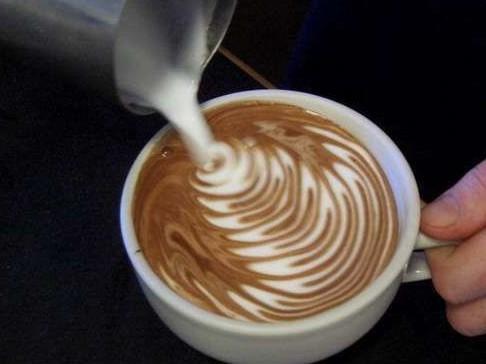
- Raise the cup: When the liquid reaches about half full, lower the pitcher and let the milk flow onto the surface. The impact will push the foam outward into a circular shape.
- Form the heart: As the cup nears full, tilt the pitcher slightly forward and upward. This motion splits the foam circle into two lobes—forming the heart shape.
Key Techniques Behind the Heart Pour
While the heart pour may look intuitive, several technical details control its success:
- Foam Consistency: Good foam should have a silky, glossy texture and form a downward vortex when swirled—not a peak in the center. This kind of foam pours cleanly and allows for defined shapes, including hearts.
- Coffee Color Evenness: Before pouring milk, gently swirl or rock the cup to even out uneven extraction colors (like “tiger striping”). This ensures a uniform base for the milk pattern.
- Pour Height & Impact: Begin pouring from a higher position to drive milk under the crema. Once the cup is half full, bring the pitcher closer to the surface so the foam floats and spreads. This contrast in height creates the visual layers needed for a defined heart.
Frequently Asked Questions
What is the most important factor for good latte art?
The most critical element is high-quality milk foam—smooth, silky, and slightly fluid. According to Wang Beiqi, if your foam is well-textured, you’re already halfway to a great pour. Avoid overly thick or stiff foam, especially for patterns requiring movement like hearts or leaves.
How do I fix uneven espresso color before pouring milk?
Before adding milk, gently swirl or rock the cup to distribute the espresso’s color. Uneven extraction can cause tiger striping or dark/light patches, which show through the milk and ruin the final look. A uniform base ensures cleaner latte art.
What height should I pour from when making a heart shape?
Start pouring from a higher position to drive milk beneath the crema. Once the coffee reaches about half full, lower the pitcher to let the foam rise and spread. Then raise the pitcher slightly as you finish to split the foam into a heart shape.
Do I need to practice with coffee, or can I use water?
Wang Beiqi recommends practicing your pouring motion with water first. It helps you focus on technique and identify issues like inconsistent flow or poor wrist control—without the distraction of coffee’s color or aroma.
How thin should the milk foam be for heart latte art?
For heart patterns, aim for a slightly thinner, more fluid foam. It should have good movement and a silky texture. Avoid thick, stiff foam, which is harder to control and less suitable for creating defined shapes.
Recommended FrontStreet Coffee Beans for Latte Art
For successful latte art and rich crema, FrontStreet Coffee’s Commercial Blend is engineered for optimal extraction. It includes Brazilian and Colombian beans alongside fine-Roast PWD (Robusta), delivering a full-bodied shot with a thick, glossy crema—ideal for latte art. For a fruitier option, try Strawberry Candy Espresso, which offers balanced sweetness with hints of berry and medium viscosity crema. Both blends support stable extractions and help achieve the crema thickness (around 3mm) that makes latte art easier. Freshly roasted within 5 days · Orders placed before 17:00 ship the same day · Next-day delivery across most of Guangdong Province.
FrontStreet Coffee is a long-established specialty coffee roaster in Guangzhou China, selling freshly roasted beans from its own farm in Yunnan as well as dozens of carefully selected single-origin beans from around the world for both pour-over and espresso. The products deliver consistently excellent quality and great value, with shipping within 24 hours. Guangzhou's FrontStreet Coffee shop is recommended by many coffee lovers, and the beans are now available online at the Tmall 。
Important Notice :
前街咖啡 FrontStreet Coffee has moved to new addredd:
FrontStreet Coffee Address: 315,Donghua East Road,GuangZhou
Tel:020 38364473