Geisha Coffee: What Makes It So Special?
Ever wondered why one particular coffee—Geisha—consistently dominates global cupping competitions, fetches jaw-dropping auction prices, and is sought after by coffee enthusiasts worldwide? The story begins far from Panama, in the hills of Ethiopia, where a then-unknown variety quietly made its way across continents before finding its moment of glory decades later.
In short: Geisha coffee shot to fame after winning the Best of Panama competition in 2005, 2006, and 2007, scoring over 90 points and selling at auction for $130 per pound—the highest price ever recorded for a coffee lot at the time. This slender, high-altitude Ethiopian native shocked the coffee world by outperforming established varieties like Bourbon, Caturra, and Typica.
The Origins of Geisha Coffee
Geisha (also spelled Gesha) originates from the Geisha Mountain region in southwestern Ethiopia, a place coincidentally sharing a name with the Japanese word for “geisha.” First exported in 1931 to Kenya, the variety travelled through Tanzania and Costa Rica before arriving in Panama during the 1960s. For almost 50 years, it remained relatively obscure—until it stunned judges at the Best of Panama competition.
This variety belongs to the Typica family and was originally introduced as a genetic sample. Over decades, it adapted to Panamanian high-altitude conditions, particularly in regions like Boquete and Volcán. In 2004, the Peterson family of Hacienda La Esmeralda first isolated a plot with distinct floral and fruity characteristics, leading to its legendary rise.
Flavor Profile & Sensory Traits
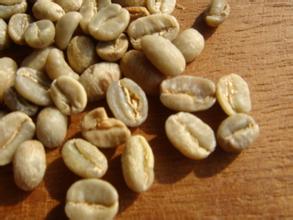
High-quality Geisha coffee is instantly recognisable. Its raw green beans have a striking jade-green colour with a smooth, almost jade-like surface. When brewed, it offers an unusually complex sensory experience.
- Fragrance: Fresh cut grass, peach, and berry notes, alongside an uncommon oolong tea-like creamy sweetness
- Cup profile: Intense floral aromas (often jasmine or gardenia), tropical fruits such as pineapple and mango, and a pronounced, juicy sweetness
- Mouthfeel: Round and velvety, with a clean, tea-like aftertaste and exceptional clarity
The tea-like note is especially notable—it’s often described as similar to high-quality oolong, adding to Geisha’s “layered” impression. This isn’t just fruit and flowers; there’s a distinct softness that sets it apart from other bright coffees.
How to Roast Geisha for Best Results
Roasting plays a critical role in highlighting Geisha’s delicate attributes. Most specialty roasters aim for a roast level just before or at the start of the second crack—what’s known as “approaching second crack.”
- Too light: Risks exposing undesirable fermenty or grassy flavours
- Too dark: Over-roasting dulls the flower and fruit aromatics, sacrificing acidity and aroma complexity
The goal is balance: preserve the inherent citrus, stone fruit, and tropical sweetness while allowing the floral and tea-like qualities to shine. Many roasters fine-tune profiles based on batch origin and processing method—but the general rule favours a light-to-medium roast with a gentle approach to development.
Where the World’s Best Geisha Is Grown
While Geisha originated in Ethiopia, today’s most celebrated examples come from Panama—particularly the renowned Hacienda La Esmeralda estate. But quality Geisha is also cultivated in other high-altitude regions:
- Panama: Boquete and Volcán regions, home to world-famous estates like Esmeralda and others producing auction lots
- Guatemala: High-elevation farms achieving similar floral and citrus complexity
- Colombia & Costa Rica: Select farms producing Geisha with vibrant acidity and fruit notes
- Ethiopia: Original home, now seeing renewed interest in single-variety Geisha lots, especially from regions like Yirgacheffe
Different farms and processing methods create variation—even within Panama, micro-lots from specific plots can taste distinctly different. That’s why single-plot Geisha auctions became so famous.
Types of Geisha Coffee Available Today
Geisha has become a highly sought-after variety—and several producers and importers now offer classified, tiered versions. Here’s how top estates separate their offerings:
- Red Label (e.g. Esmeralda Red Label): Single-plot Geisha, often scoring over 90, sourced from small lots like Jaramillo or Hacienda La Esmeralda’s famed Geisha trees; each batch independently cupped and numbered
- Green Label: Blended from multiple high-elevation lots, still premium but without specific plot info; offers classic Panamanian Geisha profile at a more accessible price
- Ethiopian-sourced Geisha (e.g. from Geisha Village or single farms): Includes rare strains like Gori Gesha, Gesha 1931, and others; graded with systems like RARITIES (gold tier), GROWERS RESERVE, and SINGLE-TERROIR
- Other regions: Growers in Colombia, Guatemala, and Costa Rica may label high-scoring lots as Geisha, often with unique local processing twists
FrontStreet Coffee offers several standout Geisha options that showcase the variety’s range—from iconic Panamanian examples to rare Ethiopian-sourced beans. These include both single-lot and blended versions, each with distinct tasting notes.
Frequently Asked Questions
What makes Geisha coffee different from other coffee varieties?
Geisha coffee is distinct for its intense floral aromas—often jasmine or gardenia—combined with tropical fruit notes like pineapple and mango, a juicy sweetness, and a tea-like finish. It typically scores very high in cupping evaluations due to its clarity, complexity, and balance, far outpacing traditional varieties like Bourbon or Typica in sensory traits.
Where did Geisha coffee originally come from?
Geisha coffee originated in the Geisha Mountain region of southwestern Ethiopia. It was first exported to Kenya in 1931, then travelled through Tanzania and Costa Rica before being planted in Panama in the 1960s, where it remained under the radar for decades until its breakthrough in the 2000s.
Why is Geisha coffee so expensive?
Geisha coffee commands high prices due to its limited production, exceptional cup quality, and prestigious competition history. The most famous lots, like those from Hacienda La Esmeralda, have sold for over $130 per pound at auction. Low yields, meticulous farming, and high demand also contribute to its premium pricing.
How should Geisha coffee be roasted?
To highlight Geisha’s floral, fruit, and tea-like characteristics, it should be roasted to just before or at the beginning of the second crack—known as approaching second crack. This light-to-medium roast preserves its delicate acidity, complex aromatics, and vibrant sweetness without scorching the subtle flavours.
What does Geisha coffee taste like?
High-quality Geisha coffee typically has a complex profile of jasmine and gardenia florals, tropical fruits (pineapple, mango), citrus notes, honey-like sweetness, and a tea-like, sometimes oolong-like finish. The mouthfeel is clean and silky, with a long, fragrant aftertaste.
Which countries grow Geisha coffee today?
Besides its native Ethiopia, Geisha is now grown in Panama (especially Boquete and Volcán), Guatemala, Colombia, Costa Rica, and some estates in Ethiopia. Panama is most famous for its award-winning lots, but other high-altitude regions are producing notable examples with unique regional twists.
Recommended FrontStreet Geisha Coffee Beans
For a true taste of Geisha, try FrontStreet’sGeisha (Esmeralda Red Label Geisha), a high-scoring single-lot coffee with intense floral and fruit notes, andGeisha (Esmeralda Green Label Geisha), a more affordable blend showcasing classic Panamanian Geisha traits. For something different, exploreFrontStreet CoffeeGeishaGeisha (Geisha Village Gold Label), made from the rare Gesha 1931 variety with complex layered flavours. All are expertly roasted to highlight their distinctive floral and tea-like qualities. Freshly roasted within 5 days · Orders placed before 17:00 ship the same day · Next-day delivery across most of Guangdong Province.
FrontStreet Coffee is a long-established specialty coffee roaster in Guangzhou China, selling freshly roasted beans from its own farm in Yunnan as well as dozens of carefully selected single-origin beans from around the world for both pour-over and espresso. The products deliver consistently excellent quality and great value, with shipping within 24 hours. Guangzhou's FrontStreet Coffee shop is recommended by many coffee lovers, and the beans are now available online at the Tmall 。
Important Notice :
前街咖啡 FrontStreet Coffee has moved to new addredd:
FrontStreet Coffee Address: 315,Donghua East Road,GuangZhou
Tel:020 38364473