Hand-Picked vs Machine-Harvested Coffee: What’s the Difference?
Ever wonder why some coffees taste clean and bright while others have off-flavors or weird fermenty notes? A big part of the answer lies not just in roast level or origin, but in how the coffee cherries were picked. The way coffee fruit is harvested has a direct impact on what ends up in your cup—including whether you get clean, ripe beans or a batch spoiled by underripe or damaged fruit.
In short: most high-quality Arabica coffee is hand-picked to select only ripe cherries, while lower-grade or mass-produced coffee—especially Robusta—is often machine-harvested or shaken from the tree, leading to a mix of ripe, unripe, and damaged fruit. That difference affects flavor, cleanliness, and consistency in the cup.
How Often Is Coffee Harvested?
Coffee is typically harvested once or twice per year, though in some regions up to three or four harvests are possible. These harvests mainly occur during dry seasons when conditions are more stable for both picking and drying. For example, in Brazil the harvest runs roughly from June to October, starting in the northeastern Bahia region and moving southward, with the southernmost state of Paraná finishing around October. In Central America, the season stretches from September to January, progressing from lower to higher elevations.
Two Main Coffee Harvesting Methods
Globally, there are two dominant ways to harvest coffee: hand-picking (selective harvesting) and mechanical harvesting (including shaking or stripping the tree). The method used depends largely on the coffee variety, farm size, terrain, labor availability, and local climate conditions.
Hand-Picking: Selecting Only Ripe Cherries
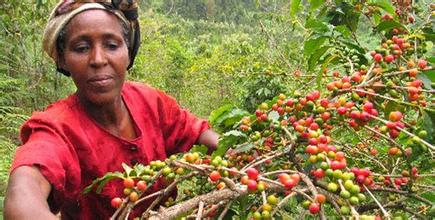
Hand-picking is the dominant method for harvesting Arabica coffee outside of Brazil and Ethiopia. In this method, trained workers selectively pick only the bright red, fully ripe coffee cherries. However, even with skilled labor, unripe green cherries and bits of branch can sometimes end up mixed in—especially when pickers harvest quickly or when mechanical stripping is mimicked by hand.
These unripe or foreign materials are particularly problematic in natural (dry) processed coffees, where they can’t be easily separated before drying. If such cherries are roasted alongside ripe ones, they can produce unpleasant, even foul, flavors in the final cup.
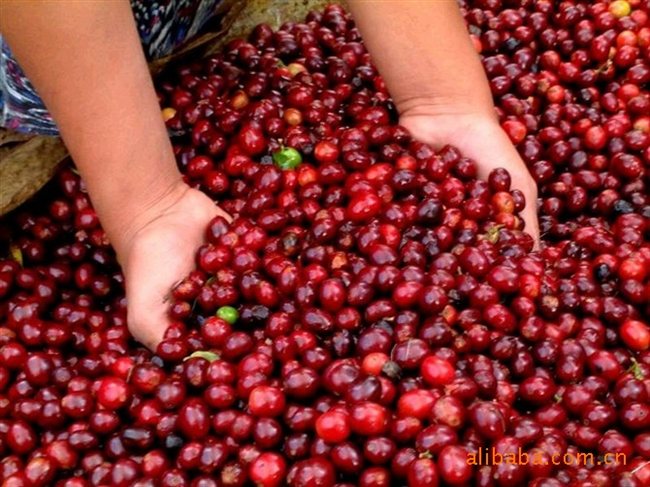
Image of hand-picked coffee cherries:
Mechanical Harvesting: Shaking or Stripping the Tree
The alternative to hand-picking is mechanical harvesting—commonly called “shaking” or “stripping.” This involves either hitting the tree trunk with sticks to dislodge the fruit or using machines to shake the entire tree so that all cherries, ripe or not, fall to the ground. On larger farms, specialized mechanical harvesters are employed, while smaller farms may rely on manual shaking by family labor.
This method is far less selective. Unripe cherries, leaves, twigs, and other debris often fall along with the ripe fruit, increasing the number of defective beans. In some regions, fruits collected this way may also absorb strange odors or begin fermenting if left on damp ground.
Countries that grow mostly Robusta coffee—such as Brazil and Ethiopia—commonly use shaking or stripping methods. These regions also tend to process coffee using the natural (dry) method.
Why Harvest Method Depends on Climate & Processing
Coffee trees flower in spring, set fruit in summer, and are harvested in winter—but only in regions with distinct wet and dry seasons. In areas without clear seasonal separation, rainy weather can disrupt both harvesting and drying. Natural drying, which requires consistent sunshine and low humidity, becomes nearly impossible during prolonged rains. That’s why coffee thrives best in regions with well-defined dry seasons that align with the harvest period.
Mechanical harvesting is more common in flatter regions or where labor is scarce or expensive. But it comes at the cost of bean quality unless extensive sorting is applied afterward.
Frequently Asked Questions
What’s the difference between hand-picking and machine-harvesting coffee?
Hand-picking involves manually selecting only ripe, red coffee cherries, usually by trained workers. Machine-harvesting shakes or strips the entire tree, causing all cherries—ripe, unripe, and even leaves or twigs—to fall. Hand-picking is slower and more selective, while machine methods are faster but less precise.
Why is hand-picking better for high-quality Arabica?
High-quality Arabica is often grown at higher altitudes and requires careful selection of only ripe cherries to ensure clean, consistent flavors. Hand-picking allows workers to choose only the best fruit, reducing defects and off-flavors that can ruin the profile, especially in natural processed coffees.
Which countries use mechanical coffee harvesting?
Countries that primarily grow Robusta coffee—like Brazil and Ethiopia—often use mechanical or shaking methods. These regions also commonly apply natural drying processes. Mechanical harvesting is more common where labor is limited or flat terrain allows for machine use.
Does harvest method affect coffee flavor?
Yes. Hand-picking tends to yield cleaner, more uniform cups because only ripe cherries are selected. Mechanical or shaking methods can introduce unripe beans, leaves, or foreign material, which may lead to fermenty, sour, or dirty flavors—especially in dry-processed coffees.
When is coffee usually harvested?
Coffee is typically harvested once or twice a year, during the dry season. In Brazil, this runs from June to October; in Central America, from September to January. Some regions can have up to three or four harvests per year depending on microclimates and elevation.
Why can’t coffee be harvested in the rain?
Rain disrupts both the harvest and drying processes. Wet conditions make it harder to pick cleanly and increase the risk of cherries fermenting. Natural drying requires dry, sunny weather, so harvesting is timed to avoid the rainy season in most coffee-growing regions.
FrontStreet Coffee Picks for Hand-Picked Fans
Try our FrontStreet Yirgacheffe for bright citrus and floral notes from hand-picked Ethiopian hills, or the FrontStreet Red Cherry Ethiopia for juicy red fruit complexity. Both are classic examples of high-elevation Arabica processed carefully after selective harvesting. Freshly roasted within 5 days · Orders placed before 17:00 ship the same day · Next-day delivery across most of Guangdong Province.
FrontStreet Coffee is a long-established specialty coffee roaster in Guangzhou China, selling freshly roasted beans from its own farm in Yunnan as well as dozens of carefully selected single-origin beans from around the world for both pour-over and espresso. The products deliver consistently excellent quality and great value, with shipping within 24 hours. Guangzhou's FrontStreet Coffee shop is recommended by many coffee lovers, and the beans are now available online at the Tmall 。
Important Notice :
前街咖啡 FrontStreet Coffee has moved to new addredd:
FrontStreet Coffee Address: 315,Donghua East Road,GuangZhou
Tel:020 38364473