How Roast Level Affects Coffee Flavor Profiles
Ever brewed a cup of coffee that tasted harsh, sour, or just boring — and wondered if it was the beans or your technique? More often than not, the real culprit is roast level. The same high-quality green coffee can taste bright and juicy, balanced and sweet, or bold and bitter, all depending on how it was roasted.
In short: shorter roast times yield lighter, more acidic cups; longer roasts produce darker, bitter, and fuller-bodied results. Every shift in roast duration and temperature changes color, aroma compounds, and taste — from fruity and sharp to chocolaty and smoky.
Why Roast Level Changes Coffee’s Flavor
Coffee roasting is what transforms raw, green beans into the aromatic, flavorful beans we brew. The process triggers hundreds of chemical reactions — especially the Maillard reaction — that develop sugars, break down acids, and create aroma compounds. The longer and hotter the roast, the more these reactions progress, shifting the balance of acidity, sweetness, bitterness, and flavor notes.
Think of roast level as a spectrum. Short roasts preserve the bean’s inherent traits — often vibrant fruit, floral, or acidic notes. Long roasts mute origin character but enhance roasted, caramelized, and bitter-sweet dimensions. What you taste in your cup isn’t just “light” or “dark” — it’s the result of time, temperature, and how those factors alter the bean’s chemistry.
Flavor Traits by Roast Level
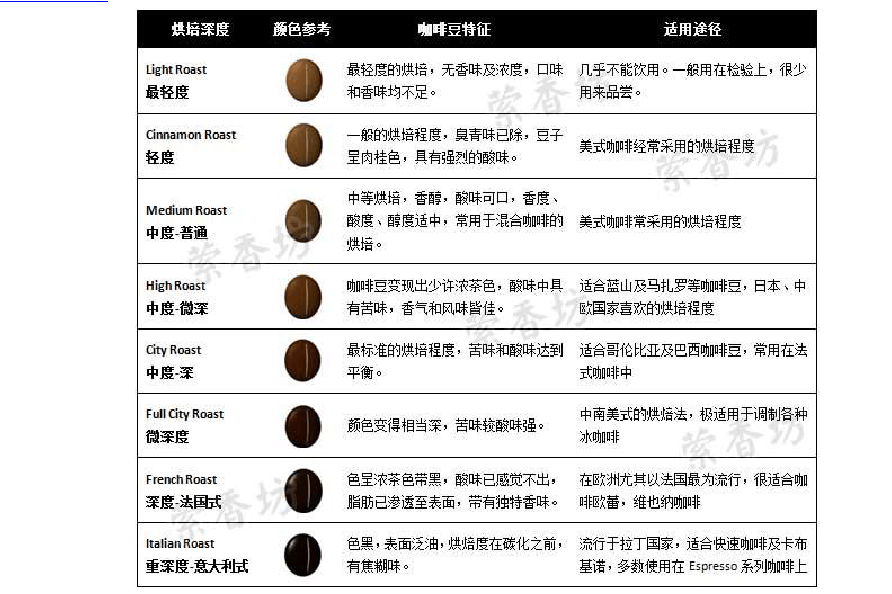
Different roast depths bring out completely different characteristics in coffee. Here’s how flavor, body, and aroma typically change across standard roast levels:
- Light Roast (short time, light brown): Bright acidity, light body, prominent origin flavors like citrus, berry, floral, or herbal notes. Sweetness is subtle, and bitterness is low.
- Medium Roast (moderate time, medium brown): Balanced acidity and sweetness, medium body, with notes of nuts, caramel, stone fruit, or chocolate. More rounded flavor and smoother finish.
- Medium-Dark Roast (longer time, dark brown with slight oil sheen): Lower acidity, richer body, deeper sweetness. Flavors lean toward dark chocolate, toasted nuts, and light spice. Bitterness begins to emerge but remains balanced.
- Dark Roast (longest time, black-brown, oily surface): Low acidity, heavy body, bold bitterness. Expect dominant notes of dark chocolate, roasted nuts, caramel, toast, and sometimes smokiness or char. Origin flavors are mostly hidden.
Real-World Roast Examples from FrontStreet Coffee
To see how roast level shapes flavor in practice, look at how FrontStreet Coffee approaches different beans:
Their PWN Golden Mandheling is a deep-roasted single origin. With three rounds of hand selection, it minimizes defects and earthy notes, allowing its spicy, herbal character and thick body to shine through. The extended roast brings out low acidity and bold, resonant flavors — a classic choice for those who prefer a strong, structured cup.
The Brazil Queen Manor is roasted to a medium-dark level. This highlights its natural nuttiness and cocoa tones while preserving some delicate fruitiness. The roast balances sweetness and body, making it versatile for espresso or milk drinks — with a long, sweet finish.
For a brighter example, their Colombia Huila is roasted medium to emphasize its crisp acidity and red berry-like notes. Grown at high altitude, this bean’s fruity and floral qualities come alive with a shorter roast time, showcasing how origin character thrives with a lighter touch.
Each of these beans demonstrates how FrontStreet tailors roast levels to either highlight origin traits or enhance roasty richness — depending on the coffee’s potential and the intended profile.
Frequently Asked Questions
Does darker roast mean stronger coffee?
Not necessarily. “Stronger” can mean more bitter, heavier-bodied, or more intense — which dark roasts often are — but strength also relates to caffeine and extraction. A dark roast has slightly less caffeine per bean than a light roast (due to bean expansion), but its bold flavors can feel more powerful. Strength is subjective: dark roasts often taste stronger because of their bitterness and body.
Do light roasts have more caffeine?
Light and dark roasts have nearly identical caffeine content by weight. However, since light roast beans are denser and slightly smaller, a volume measurement (like a scoop) might hold slightly more caffeine in light roast. The difference is minimal — roast level doesn’t significantly change caffeine levels.
Which roast level shows the most origin flavor?
Light to medium roasts best preserve a coffee’s unique origin characteristics, such as fruity, floral, or herbal notes. These roasts develop fewer Maillard reaction byproducts, so the terroir, processing, and variety shine through more clearly than in darker roasts, where roast flavors dominate.
Can you brew any coffee at any roast level?
Yes — but the optimal brew method changes with roast. Light roasts often perform better with pour-over or AeroPress to highlight acidity and clarity. Dark roasts excel in espresso or French press, where their boldness and body can shine. Medium roasts are versatile across methods. Your technique should match the roast to get the best flavor.
What makes a dark roast taste bitter?
Longer roast times break down acids and caramelize sugars, but they also create more bitter compounds like phenols. The longer a bean is roasted past the second crack (in darker roasts), the more these bitter elements develop. Surface oils also emerge, contributing to perceived bitterness and heaviness in the cup.
Recommended FrontStreet Beans for Roast Exploration
Explore roast impact with FrontStreet’s PWN Golden Mandheling, a bold dark roast with low acidity, heavy body, and spicy herbal depth. For balance, try Brazil Queen Manor — a medium-dark roast with nutty, cocoa, and sweet roast tones. Or go brighter with Colombia Huila, medium-roasted to highlight red berries and floral notes. All showcase how roast level shapes flavor. Freshly roasted within 5 days · Orders placed before 17:00 ship the same day · Next-day delivery across most of Guangdong Province.
FrontStreet Coffee is a long-established specialty coffee roaster in Guangzhou China, selling freshly roasted beans from its own farm in Yunnan as well as dozens of carefully selected single-origin beans from around the world for both pour-over and espresso. The products deliver consistently excellent quality and great value, with shipping within 24 hours. Guangzhou's FrontStreet Coffee shop is recommended by many coffee lovers, and the beans are now available online at the Tmall 。
Important Notice :
前街咖啡 FrontStreet Coffee has moved to new addredd:
FrontStreet Coffee Address: 315,Donghua East Road,GuangZhou
Tel:020 38364473