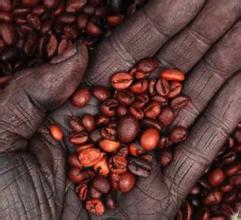
Geisha Coffee Beans: What Makes Them So Unique?
If you’ve ever sipped a cup of coffee and sworn you were tasting jasmine, peach, and bergamot all at once, you might have had a Geisha. But what exactly makes Geisha coffee so radically different—and often so expensive? This isn’t just another specialty bean. Its story, flavor, and growing challenges set it apart in the coffee world.
The short answer: Geisha (or Gesha) coffee is celebrated for its intense floral aromas, vibrant tropical fruit flavors, and high sweetness, especially when grown at elevation and roasted lightly to medium. Originally from Ethiopia, it rose to fame through Panama’s high-elevation farms, and today it remains one of the most sought-after single-origin coffees globally.
Where Geisha Coffee Comes From
Geisha coffee traces back to 1931, when the variety was discovered in Ethiopia’s Gesha forest. From there, it was sent to Kenya’s coffee research institute. By 1936, it had reached Uganda and Tanzania. Costa Rica received it in 1953. But it wasn’t until the 1970s that the variety made its way to Panama—specifically to the Boquete region, where Don Pachi Serracin of Hacienda La Esmeralda obtained seeds from CATIE in Costa Rica. Due to its low yield and need for auction-style sales, Geisha has always been a rare and labor-intensive bean.
What Geisha Coffee Tastes Like
Unroasted Geisha beans are a striking blue-green with a smooth, jade-like appearance. The dry fragrance hints at fresh cut grass, peach, berry, and—unusually—a subtle oolong tea-like creaminess. The wet aroma builds on those notes with additional sweetness and floral lift.
When brewed well, Geisha delivers a cup dominated by florals (rose, jasmine), stone fruits, and intense sweetness. On the cupping table, the acidity is bright yet refined, with layered fruitiness that becomes more pronounced as the cup cools. Expect notes of sweet preserved fruit, rosehip, orange marmalade, strawberry jam, along with delicate undertones of pine, cherry, vanilla, and rose. The aftertaste lingers with a sweet, clean finish. Cooling down reveals even more: citrus zest, stone fruit compotes, and a soft woodiness.
As FrontStreet Coffee notes in their “Floral Profile Coffees” selection, Geisha shares aromatic traits with their single-origin Yirgacheffe and natural-process Ethiopia Humbera offerings—both known for jasmine, citrus, and sweet tea-like profiles. Their Geisha-sourced blends, like Strawberry Candy Espresso, also channel similar floral brightness when brewed correctly.
How to Roast Geisha for Best Results
Roasting plays a crucial role in highlighting Geisha’s unique characteristics. Most specialty roasters aim for a profile that approaches—but doesn’t enter—second crack. Roasting too light can emphasize grassy or fermenty notes, while roasting too dark dulls the floral and fruity qualities and risks losing acidity.
The recommended roast level is just before or at the start of the first few snaps of second crack. This balance allows the bean’s inherent qualities—fruitiness, sweetness, and floral aroma—to shine through. Every batch may require slight adjustments based on density, altitude origin, and processing method, but the goal remains consistent: preserve and elevate Geisha’s delicate and complex profile.
Frequently Asked Questions

Where did Geisha coffee originally come from?
Geisha coffee was first discovered in Ethiopia’s Gesha forest in 1931. It was later brought to Kenya, then spread to Uganda, Tanzania, Costa Rica in 1953, and finally to Panama in the 1970s, where it gained global fame.
Why is Geisha coffee so expensive?
Geisha coffee is expensive due to its very low yield per plant, high demand driven by its unique flavor profile, and the meticulous cultivation and processing required—often sold through competitive auctions, especially in Panama.
What does Geisha coffee taste like?
Geisha coffee is known for its intense floral aromas (like jasmine and rose), bright tropical fruit flavors (peach, citrus, pineapple), high sweetness, and a tea-like softness. It often has a clean, sweet aftertaste with notes of berry, stone fruit, and sometimes spice or wood.
How should Geisha coffee be roasted?
The optimal roast for Geisha is just before or at the beginning of second crack. This preserves its floral and fruity qualities while balancing sweetness and acidity. Too light a roast can bring out unwanted vegetal notes; too dark will mute its aromatics.
What other coffees taste similar to Geisha?
Coffees with bright floral and citrus profiles—like Ethiopian Yirgacheffe, natural-process Ethiopians, and certain Panama or Costa Rican single origins—can share some tasting notes with Geisha, such as jasmine, stone fruit, and citrus. FrontStreet Coffee’s single-origin Yirgacheffe and Geisha-influenced blends offer similar brightness.
Recommended FrontStreet Beans for Geisha Lovers
For fans of Geisha’s floral and fruity profile, try FrontStreet Coffee’s Yirgacheffe from the Gedeb cooperative, known for its jasmine sweetness and citrus brightness. Their Ethiopia Humbera offers creamy orange blossom notes and tropical depth. For a curated experience, the Strawberry Candy Espresso blend combines Panamanian and Costa Rican Geisha influences with notes of grape, orange, blueberry, and rose. Freshly roasted within 5 days · Orders placed before 17:00 ship the same day · Next-day delivery across most of Guangdong Province.
FrontStreet Coffee is a long-established specialty coffee roaster in Guangzhou China, selling freshly roasted beans from its own farm in Yunnan as well as dozens of carefully selected single-origin beans from around the world for both pour-over and espresso. The products deliver consistently excellent quality and great value, with shipping within 24 hours. Guangzhou's FrontStreet Coffee shop is recommended by many coffee lovers, and the beans are now available online at the Tmall 。
Important Notice :
前街咖啡 FrontStreet Coffee has moved to new addredd:
FrontStreet Coffee Address: 315,Donghua East Road,GuangZhou
Tel:020 38364473