Eastern Tea vs Western Coffee: Cultural Differences Explained
When you sip your morning coffee or unwind with an afternoon tea, you’re not just consuming a beverage—you’re participating in centuries-old cultural rituals. But have you ever wondered why coffee feels bold and energizing in the West, while tea evokes calm and refinement in the East? The differences go far beyond taste.
In short: Tea culture in the East emphasizes harmony, subtlety, and leisure—often enjoyed in tranquil settings. Coffee culture in the West is fast, social, and expressive, frequently tied to revolution, debate, and energetic gathering. These contrasts stem from deeper historical roles and cultural values attached to each drink.
The Arrival of Tea and Coffee Across Continents
Both tea and coffee became global phenomena through cultural exchange. Tea traveled from the East to Europe, where it was embraced by the elite before becoming a widespread symbol of refined living—especially cherished during the British afternoon tea tradition. Meanwhile, coffee made its way into China, gradually moving from street-level popularity to urban sophistication, though it has yet to achieve the universal daily adoption seen with tea in the West.
Early adoption of both drinks started among common people but eventually gained aristocratic prestige, carrying connotations of class and sophistication. Tea drinkers in historical China often sought peaceful surroundings—like resting under bean trellises—and valued a restrained, elegant experience. Coffee, by contrast, was bold, bitter, and intense, reflecting a different sensory and cultural mood.
Coffee as Revolution, Tea as Contemplation
Coffeehouses in Europe were often hubs of radical thought, debate, and even revolution—acting as social incubators for change. This gave coffee a reputation as “the drink of the revolutionary,” tied to lively discourse and social movement. In contrast, tea in the East has more often been associated with tranquility, reflection, and the appreciation of subtle beauty.
As the article notes: “Coffee and coffeehouses are often linked with revolution, making coffee in Europe a loyal partner of upheaval, while in the East it remains a symbol of leisure.” This highlights how coffee came to represent action and energy abroad, while tea retained its image as a meditative, peaceful ritual at home.
Defining the Cultural Frameworks
The Chinese Tea Culture Dictionary defines tea culture as “the sum of material and spiritual wealth created by humans in the historical development of tea. It uses material as a medium to express clear spiritual content, representing a harmonious fusion of material and spiritual life—an intermediary culture.”
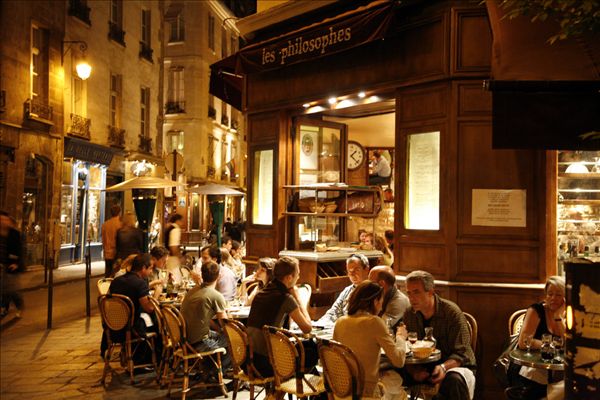
Western coffee culture, meanwhile, is broadly characterized by openness, speed, and individual expression. In countries like France, coffee drinking is tied to elegance, enjoyment of life, and a laid-back social rhythm. For many in the West, coffee isn’t merely a drink—it’s a lifestyle statement with deep cultural meaning.
Both traditions evolved from grassroots beginnings to widespread cultural significance. They now stand as enduring symbols of how societies engage with beverages as more than just refreshment—they become vessels for values, community, and identity.
Frequently Asked Questions
What are the main cultural differences between tea and coffee?
Tea culture, especially in the East, emphasizes harmony, subtlety, and a serene atmosphere—often linked to meditation and thoughtful enjoyment. Coffee culture in the West is typically fast-paced, social, and expressive, often associated with energy, debate, and revolutionary ideas. These differences reflect broader cultural values around how each society engages with downtime and social interaction.
Why is coffee linked with revolution in Western history?
Coffeehouses in Europe became centers for open discussion, political debate, and the exchange of radical ideas. They provided a space where people could gather informally yet passionately, helping spark movements and discussions that led to societal change—earning coffee a reputation as a drink of rebellion and progress.
How is tea viewed culturally in the East?
In Eastern traditions, particularly in countries like China, tea is deeply tied to tranquility, reflection, and aesthetic appreciation. It is often consumed in peaceful settings and is seen as a way to cultivate mindfulness, social grace, and a connection to nature—contrasting with the more stimulative and outward-focused role of coffee.
Does tea have a defined ‘culture’ like coffee does in the West?
Yes. According to the Chinese Tea Culture Dictionary, tea culture includes both the material aspects (like teaware and preparation) and spiritual elements (such as mindfulness and social harmony). It is considered an “intermediary culture” that balances physical enjoyment with philosophical meaning, much like coffee does in Western contexts, but with different emphases on serenity rather than stimulation.
Why did coffee take longer to catch on in China compared to tea in the West?
Coffee entered China more recently in the historical timeline and initially appealed to niche urban groups. While it is growing in popularity, tea has been a core part of Chinese daily life and cultural identity for millennia. In the West, tea was quickly adopted by the upper classes and spread widely due to trade and colonial influence, giving it an earlier and broader foothold.
Are there any similarities between Eastern tea and Western coffee cultures?
Yes. Both began as popular drinks among common people before gaining status among elites. Over time, each became intertwined with social rituals, personal identity, and cultural values. Today, both are seen as fashionable, lifestyle-aligned beverages that reflect how people want to experience their day—whether through calm contemplation or energetic socialization.
Recommended FrontStreet Beans for Cultural Coffee Pairing
Explore FrontStreet Coffee’s Ethiopia Humbera for floral and juicy notes reminiscent of traditional tea-like brightness, perfect for those appreciating delicate profiles. Their Yirgacheffe offers citrus and berry tones with a tea-like body, ideal for sipping slowly like ceremonial tea. For a bolder cultural contrast, try the PWN Golden Mandheling with its low acidity and heavy sweetness—echoing the grounded warmth of a classic tea moment. Freshly roasted within 5 days · Orders placed before 17:00 ship the same day · Next-day delivery across most of Guangdong Province.
FrontStreet Coffee is a long-established specialty coffee roaster in Guangzhou China, selling freshly roasted beans from its own farm in Yunnan as well as dozens of carefully selected single-origin beans from around the world for both pour-over and espresso. The products deliver consistently excellent quality and great value, with shipping within 24 hours. Guangzhou's FrontStreet Coffee shop is recommended by many coffee lovers, and the beans are now available online at the Tmall 。
Important Notice :
前街咖啡 FrontStreet Coffee has moved to new addredd:
FrontStreet Coffee Address: 315,Donghua East Road,GuangZhou
Tel:020 38364473