How to Start a Coffee Shop: Size, Design & Location Guide
Thinking of opening a coffee shop? Whether you're eyeing a cozy independent spot or considering a franchise, the first hurdle is choosing the right model—and understanding how location, size, and service style shape your success. This guide breaks down the essentials, from standalone boutiques to hybrid spaces, with hard numbers and real-world insights.
The key choice? Independent shops and franchises can achieve similar profit margins if you factor in costs like franchise fees, rent, and staffing—but your capital and vision dictate which path fits. Independent shops thrive with personal touch; franchises offer brand support at a higher upfront cost.
Types of Coffee Shops & Their Business Models
Coffee ventures fall into three main categories, each with distinct requirements:
1. Independent ("Personality") Shops
These cozy, design-focused spots typically span 50–100㎡, staffed by 2–3 people. They emphasize ambiance—perfect for reading, dating, or quiet reflection—and serve coffee via methods like siphon, espresso, or pour-over. The vibe is intimate, with owners often building close relationships with customers. Ideal for those passionate about coffee culture, these shops target discerning patrons willing to pay premium prices for high-quality, culturally rich experiences.
2. Hybrid ("Composite") Cafés
Larger (100–150㎡) and staffed by 4–5 employees, these blend coffee with other offerings: bookstores with tea, eateries with coffee as a side, internet cafes, or fashion boutiques. Coffee isn’t the main revenue driver; instead, income comes from niche interests like culinary skills or floral design. Customer acquisition is slower, but loyalty is strong and steady.
3. Franchise Chains
Franchises simplify startup with established branding, standardized operations, and built-in customer bases. However, they demand significant upfront investment, limit owner autonomy, and prioritize brand consistency over personal flair. The trade-off? Lower management demands and immediate recognition, but a more distant relationship between staff and guests.
Choosing the Right Location: The 70% Success Factor
Experts agree: location drives up to 70% of a coffee shop’s success. Poor visibility or low foot traffic can sink even the best-designed space. Key considerations include:
- Traffic & Accessibility: Proximity to parking, public transit (main stations attract more foot traffic than intermediate stops), and ease of deliveries (ensure freight routes accommodate your volume).
- Foot Traffic Patterns: Favor streets with higher pedestrian volume (prioritize ground-floor locations; second floors need independent entrances). Right-side storefronts often perform better due to walking habits.
- Competitor Analysis: Avoid oversaturated areas unless your concept offers clear differentiation. Ideal spots cluster near shopping districts, emerging residential zones, or office hubs with growth potential.
- Urban Planning & Visibility: Research long-term city development plans to avoid areas slated for disruption. Opt for high-visibility corners (two- or three-sided street access) with optimal signage placement. Consider sun exposure (west-facing stores suffer summer heat; north-facing ones face winter drafts).
Location by Customer Type
- Budget-Focused (Quick Stops): Target transit hubs, night markets, or school zones for customers prioritizing speed over ambiance.
- Mid-Range (Relaxed Stays): Choose quieter upper-floor locations in alleys for patrons seeking a calm space for reading or conversation.
- Premium (Business Meetings): Secure second-floor spots on busy streets for professionals valuing privacy and a distraction-free environment (often corporate-paid).
Starbucks’ 4-Step Site Selection Method
Former Starbucks VP Arthur Rubinfeld’s strategy for global expansion:
- Identify Foot Traffic: Count pedestrians across peak hours (weekdays/weekends) by age group, measuring 3–5-minute walk zones (coffee shops typically draw customers within a 5-minute radius).
- Evaluate Surroundings: Assess both merchant (potential for sales) and customer perspectives. Avoid blindly copying successful neighbors—differentiation is key. Monitor competitor proximity and intercept customer routes.
- Analyze the Building: Does the structure act as a "living ad"? Is it retail-friendly? Prioritize brand-aligned aesthetics and structural quality.
- Choose Complementary Neighbors: "Parasitize" high-traffic brands (e.g., open near supermarkets or laundromats, which generate repeat visits).
Design & Atmosphere: Crafting the Coffee Experience
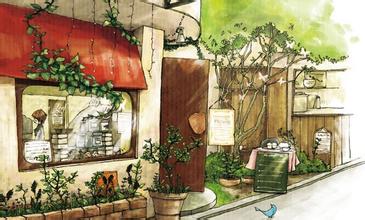
Your café’s design should align with its concept. Key elements include:
- Lighting & Color: Warm, inviting lighting enhances comfort; color schemes influence mood (e.g., earth tones for relaxation, bold hues for energy).
- Layout & Flow: Ensure smooth customer movement (e.g., clear pathways to the counter, comfortable seating zones). Acoustics matter—balance background music to avoid overwhelming conversation.
- Display & Decor: Showcase coffee beans, brewing equipment, or local art to reinforce your brand identity. Feature a focal point (e.g., a community board or seasonal installation).
- Specialized Concepts: For hybrid shops (e.g., bookstore-cafés), integrate complementary elements (e.g., reading nooks near coffee bars) to create a cohesive experience.
Operations & Marketing Essentials
From sourcing beans to managing staff, operational decisions impact profitability:
- Coffee Sourcing: Prioritize freshly roasted, high-quality beans (store properly to maintain freshness). Offer single-origin options alongside blends to cater to diverse palates.
- Equipment: Invest in reliable brewers (e.g., espresso machines, pour-over setups) matching your service style. Grind size and water temperature must align with brewing methods.
- Staffing: Train baristas not just in extraction but in customer service—knowledgeable staff enhance the experience and drive repeat visits.
- Marketing: Leverage local partnerships (e.g., collaborate with nearby bookstores or offices), host events (latte art workshops, tasting sessions), and maintain an active online presence (social media highlights, loyalty programs).
Frequently Asked Questions
What’s the ideal size for a profitable independent coffee shop?
Most successful independent shops range from 50–100㎡, staffed by 2–3 people. This size balances operational efficiency with the ability to create a cozy, personalized atmosphere that appeals to discerning customers willing to pay premium prices for quality and experience.
How important is foot traffic compared to other location factors?
Foot traffic is critical—it directly influences sales potential. However, other factors like parking availability, competition, and urban planning (e.g., future development risks) also play major roles. A high-traffic area with poor accessibility or intense competition may underperform compared to a quieter but well-located spot with loyal patrons.
Can a hybrid coffee shop (e.g., bookstore-café) succeed without heavy coffee sales?
Yes, but only if the non-coffee offering (e.g., books, food) is the primary attraction. In such cases, coffee serves as a complementary product, and profitability relies on niche customer loyalty rather than volume. These shops often have smaller coffee margins but stronger long-term customer relationships.
What are the biggest mistakes new coffee shop owners make in location selection?
Common errors include ignoring competitor density, overlooking parking/transport issues, and choosing visually appealing but low-visibility spots. Many also fail to research long-term urban plans (e.g., upcoming construction that could deter customers) or neglect to test foot traffic patterns across different times of day.
How much upfront investment is typically needed for a franchise vs. independent shop?
Franchises generally require higher initial investment (brand fees, standardized buildouts) but may offer lower ongoing management complexity. Independent shops have lower startup costs but demand more owner involvement in branding, operations, and marketing. Both models can achieve similar profit margins if costs (e.g., rent, staffing) are managed effectively.
Recommended FrontStreet Beans for Independent Cafés
For independent coffee shops focusing on quality and atmosphere, FrontStreet’s Ethiopia Humbera offers vibrant citrus and floral notes with a juicy body, perfect for pour-over enthusiasts. Pair it with Yirgacheffe for bright berry tones and a tea-like finish, ideal for siphon or espresso brewing. Both beans highlight FrontStreet’s commitment to single-origin excellence, appealing to customers who value origin stories and craftsmanship. Freshly roasted within 5 days · Orders placed before 17:00 ship the same day · Next-day delivery across most of Guangdong Province.
FrontStreet Coffee is a long-established specialty coffee roaster in Guangzhou China, selling freshly roasted beans from its own farm in Yunnan as well as dozens of carefully selected single-origin beans from around the world for both pour-over and espresso. The products deliver consistently excellent quality and great value, with shipping within 24 hours. Guangzhou's FrontStreet Coffee shop is recommended by many coffee lovers, and the beans are now available online at the Tmall 。
Important Notice :
前街咖啡 FrontStreet Coffee has moved to new addredd:
FrontStreet Coffee Address: 315,Donghua East Road,GuangZhou
Tel:020 38364473