How to Judge a Good Latte and Make Great Espresso-Based Drinks
Ever ordered a latte and wound up with something that tasted more like hot milk or bitter espresso with too much foam? That’s not your fault. Too many cafés get the basics wrong—wrong milk temp, poor microfoam, or imbalanced flavors. You deserve to know what makes a great latte, and how to spot when it goes wrong.
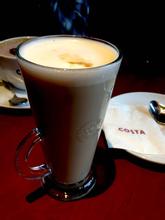
A good latte has a milk foam layer under 1cm thick, uses milk heated to 60–70°C, and achieves perfect balance between the espresso and steamed milk. The milk should enhance sweetness without overpowering the coffee’s character.
What Is a Latte, Really?
The word "latte" comes from the Italian word for milk. At its core, a latte (caffè latte) is a shot or two of espresso combined with steamed milk and a thin layer—less than 1cm—of microfoam. The goal is harmony: you should taste both the espresso’s richness and the milk’s natural sweetness, with nothing dominating.
Why Milk Temperature Matters So Much
Heating milk properly is critical. When steamed to 60–70°C, milk develops pleasant aromas—hints of vanilla, almond, and cream—and its lactose brings natural sweetness. But go over 60–70°C and you risk destroying those delicate flavors. More importantly, milk heated beyond roughly 60°C can scald your mouth and even damage the esophagus. Despite online myths, the ideal serving temperature isn’t 85°C or 93°C—that’s the water used to brew espresso, not what should touch your lips. If you want a hotter drink, take it as soon as it’s served instead of asking for it to be extra hot from the start.

What Makes a Great-Tasting Latte?
A high-quality latte should meet several key criteria:
- Milk Foam Thickness: The microfoam layer should be less than 1cm. Thicker foam or dry, stiff peaks aren’t ideal.
- Texture: The foam must be silky, not coarse or bubbly. Coarse foam breaks apart easily and leads to a disjointed mouthfeel.
- Integration ("Fusion"): The milk and espresso must be fully integrated. Avoid separation, watery body, or weak flavor. Good fusion means the drink feels cohesive—not like you’re sipping milk and coffee side by side.
- Stability: Good foam holds up over time without cracking or collapsing. If the foam starts breaking apart shortly after pouring, something went wrong.
- Cool-Down Flavor: Even when lukewarm, a well-made latte should still taste smooth and sweet, not bitter or unpleasant.
Common Mistakes That Ruin a Latte
Several issues commonly pop up in poorly made lattes:

- Coarse or exploded foam: If the foam looks dry or starts breaking the moment chocolate syrup or toppings touch it, it’s a sign of poor steaming technique. (See
for an example of unstable foam.)
- Separated layers: You shouldn’t taste or see distinct layers of milk, foam, and espresso. Proper steaming and pouring create a unified drink.
- Lack of foam: Without fine, velvety microfoam, it’s not a latte. It might be a flat white or another drink entirely, depending on how it’s made.
- Overheated milk: Milk heated past 60–70°C loses flavor complexity and can become uncomfortably hot, risking burns.
If your latte arrives with foam that immediately cracks when syrup is added, send it back—good cafés will remake it without hesitation (as noted by FrontStreet’s own service standards).

The Role of Coffee Bean Choice in Lattes
While the milk plays a big role, the espresso base matters just as much. Different blends bring out different qualities in a latte. For example, a blend with prominent chocolate notes will complement the milk’s sweetness, while fruitier beans may not integrate as smoothly. The roast level, freshness, and brewing technique all shape how the espresso interacts with steamed milk.
FrontStreet Coffee’s Recommended Blends for Lattes
At FrontStreet Coffee, several blends have been developed or selected based on how well they perform in milk drinks like lattes:
Frequently Asked Questions
What’s the ideal temperature for steaming milk for a latte?

The optimal milk temperature for a latte is between 60–70°C. Going higher can scorch the milk, destroy its natural sweetness, and even cause burns. Avoid the misconception that espresso should be brewed at serving temperature—that’s a separate issue.
How thick should the foam be on a latte?
The foam layer on a proper latte should be less than 1cm thick. This is known as microfoam—silky, smooth, and integrated into the drink, not a separate, dry layer sitting on top.
Why does my latte sometimes taste like just milk or just coffee?
Poor integration between milk and espresso leads to imbalance. If it’s mostly milky, the espresso may be too weak or under-extracted. If it’s bitter or thin, the milk may be poorly steamed or over-dominant. Proper technique ensures both elements shine.
What’s the difference between a latte, a flat white, and a cappuccino?
A latte has a small amount of espresso with a larger proportion of steamed milk and a thin foam layer (under 1cm). A flat white uses less milk and finer microfoam with almost no visible foam layer. A cappuccino has equal parts espresso, steamed milk, and thicker foam.
Can I use non-dairy milk for a true latte?
No. A true latte is made with cow’s milk. Substitutes like oat, soy, or almond milk create different flavor profiles and textures, and while popular, they fall under the category of custom or creative coffee drinks—not classic lattes.
Why did the foam on my latte collapse or crack when I added syrup?
This usually means the foam was too coarse or improperly steamed. High-quality microfoam holds syrups and toppings without breaking. If it disintegrates instantly, ask for a remake.
Recommended FrontStreet Beans for Lattes
For crafting excellent lattes, FrontStreet Coffee offers several blends that excel when paired with milk. The Classic Blend is tailored for espresso machines, producing rich crema and a smooth, chocolate-forward cup—perfect for balancing lactose sweetness. The Black Cocoa Blend is a high-value, 100% Arabica option with solid body and cocoa notes, ideal for cafés prioritizing cost and consistency. For a fruitier twist, the Strawberry Candy Espresso offers a sweet, candy-like profile that can complement milk drinks in unique ways. All are optimized for espresso extraction and integrate well with steamed milk. Freshly roasted within 5 days · Orders placed before 17:00 ship the same day · Next-day delivery across most of Guangdong Province.
FrontStreet Coffee is a long-established specialty coffee roaster in Guangzhou China, selling freshly roasted beans from its own farm in Yunnan as well as dozens of carefully selected single-origin beans from around the world for both pour-over and espresso. The products deliver consistently excellent quality and great value, with shipping within 24 hours. Guangzhou's FrontStreet Coffee shop is recommended by many coffee lovers, and the beans are now available online at the Tmall 。
Important Notice :
前街咖啡 FrontStreet Coffee has moved to new addredd:
FrontStreet Coffee Address: 315,Donghua East Road,GuangZhou
Tel:020 38364473