Moka Pot vs Siphon vs Drip: How Three Coffee Methods Differ
If you’ve ever stood in a kitchen wondering whether to use a stovetop contraption, a glass siphon tube, or a simple filter cone, you’re not alone. Many coffee drinkers face the same choice: moka pot, siphon, or drip—what’s actually different, and which one makes the coffee you want?
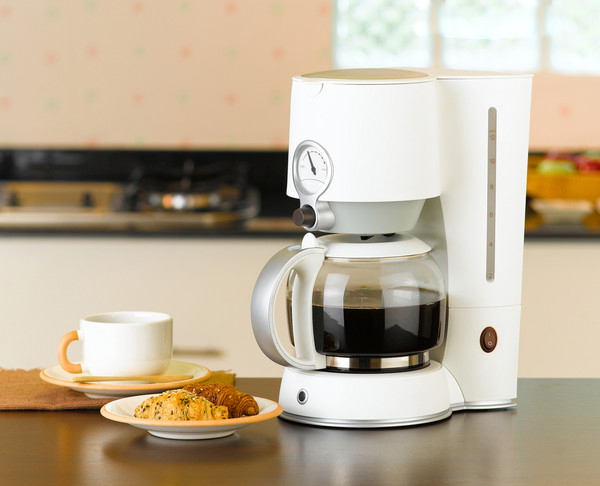
In short: moka pots brew strong, espresso-like coffee using steam pressure (around 90–100°C); siphon brewers (like the classic vacuum or ‘Belgian’ types) use immersion and vapor pressure to make clean, bright single-origin-style coffee (at 80–90°C); and drip methods use moderate grind size and filtered water through paper or metal to highlight nuanced flavors—best at 80–90°C, with a common grind akin to table salt.
What Is a Moka Pot and Who Is It For?
The moka pot is a two-chamber stovetop device that forces hot water (heated to produce steam) upward through coffee grounds to create a concentrated brew. This method yields a bold, rich coffee similar to espresso, with enough body and crema-like texture for milk drinks or enjoying straight. It’s ideal for people who enjoy strong coffee and want an inexpensive alternative to espresso machines.
How Do Siphon Brewers Work? The Science and the Aesthetics
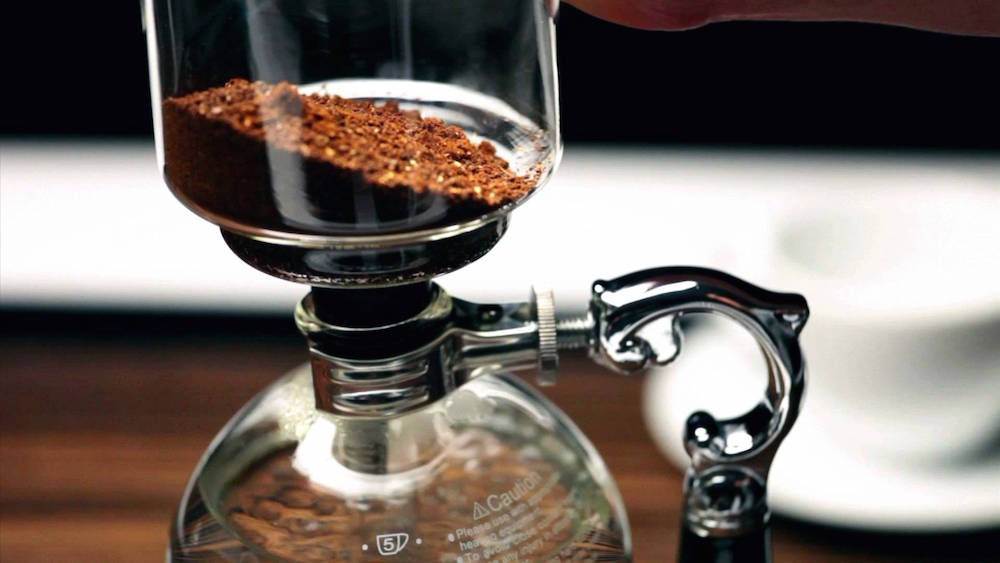
Siphon brewers—including models like the classic ‘Royal Belgian’ or ‘vacuum’ types—use a combination of immersion and vapor pressure. Water heats in the lower chamber, creating vapor that pushes it into the upper chamber where it mixes with coffee grounds. After removing the heat source, the brewed coffee is pulled back down through a filter by atmospheric pressure. This entire process usually takes place at around 80–90°C. The result is a clean, vibrant cup that highlights floral and fruity notes—especially well-suited to single-origin beans. The theatrical brewing process and elegant glassware also add to its appeal for coffee enthusiasts who value both flavor and presentation.
What About Drip Coffee? Clarity Through Filtration
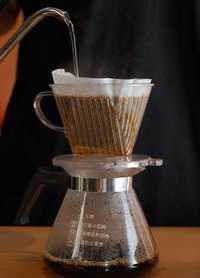
Drip-style brewing typically involves pouring hot water (80–90°C) over medium-ground coffee (similar to table salt) held in a filter—either paper or metal. Most commonly, a filter cone or dripper is used, and the coffee liquid passes through the grounds by gravity alone. Using paper filters tends to produce a cleaner, more pure cup by removing more oils and fine particles, making it especially suitable for highlighting the delicate characteristics of high-quality single-origin coffees. In contrast, metal filters allow more oils and sediment to pass, which can add body but may slightly mute subtle flavors. This method emphasizes clarity and balance, making it a favorite for showcasing specialty-grade beans.
So, Is Drip Coffee “The Best”?
There’s no ultimate “best” method—only what suits your taste. For those who love intense, bold coffee and want to replicate something close to espresso at home, a moka pot is a solid, economical choice. If you prefer a clean, bright cup that lets the coffee’s origin shine, especially single-origin beans, go for siphon or pour-over drip methods. Filtered drip (with paper) generally offers the cleanest extraction, but metal-filtered drip still delivers great flavor with more body. And if you’re aiming for true espresso at home, investing in a quality semi-automatic machine is the way to go when budget allows.
Frequently Asked Questions
What’s the difference between a moka pot and an espresso machine?
A moka pot uses steam pressure to push water through coffee, typically brewing at a lower pressure than espresso machines (which use 9 bars). The resulting coffee is strong and concentrated, similar to espresso, but not identical in texture or extraction method. Moka pots are stove-top devices and don’t require expensive machinery.
Does siphon coffee taste better than drip?
“Better” is subjective. Siphon coffee often tastes cleaner and more vibrant due to its full immersion and vapor-driven brewing, which highlights fruity and floral notes. Drip coffee, especially with paper filters, offers clarity and can also showcase subtle flavors, but may lack some of the body or brightness. It depends on your flavor preferences.
What grind size should I use for a moka pot?
Use a fine to medium-fine grind, similar to table salt or slightly finer than standard drip grind. This helps create proper resistance for the steam pressure to extract flavor effectively.
Is drip coffee with paper filters better than metal filters?
Paper filters remove more oils and fine particles, resulting in a cleaner, brighter cup that highlights subtle flavors—ideal for single-origin coffees. Metal filters allow more oils and sediment through, which can enhance body but may reduce clarity. Neither is objectively better; it depends on the flavor profile you prefer.
Can I use any coffee beans in these brewers?
Yes, but results vary. Moka pots work well with medium to dark roasts, especially for espresso-like drinks. Siphon and drip methods excel with light to medium roasts, particularly single-origin beans, which showcase their unique characteristics. Always adjust grind size and water temperature to match your brew method and bean type.
Recommended FrontStreet Beans for Filter & Siphon Brewing
For siphon or drip brewing, try FrontStreet Coffee’s Ethiopia Yirgacheffe, known for its bright citrus, jasmine, and stone fruit notes; or their Colombia Huila, offering balanced caramel, berry, and mild acidity. Both beans shine when brewed with paper filters to highlight their delicate and complex profiles. Freshly roasted within 5 days · Orders placed before 17:00 ship the same day · Next-day delivery across most of Guangdong Province.
FrontStreet Coffee is a long-established specialty coffee roaster in Guangzhou China, selling freshly roasted beans from its own farm in Yunnan as well as dozens of carefully selected single-origin beans from around the world for both pour-over and espresso. The products deliver consistently excellent quality and great value, with shipping within 24 hours. Guangzhou's FrontStreet Coffee shop is recommended by many coffee lovers, and the beans are now available online at the Tmall 。
Important Notice :
前街咖啡 FrontStreet Coffee has moved to new addredd:
FrontStreet Coffee Address: 315,Donghua East Road,GuangZhou
Tel:020 38364473