How to Brew Coffee with a Siphon (Vacuum) Pot Step-by-Step
If you’ve ever struggled to control your coffee’s extraction—too bitter, too weak, or just off—you’re not alone. Many coffee lovers turn to specialized brewers like the siphon (or vacuum) pot to get more precision. Unlike a French press or drip machine, the siphon gives you control over water temperature, brew time, and filtration—all key for specialty coffee.
To brew with a siphon, aim for a 1:10 to 1:15 coffee-to-water ratio and keep water between 86°C and 94°C. The whole process takes just a few minutes, and the result is clean, aromatic coffee with full flavor clarity.
What Is a Siphon Coffee Maker?
A siphon pot uses vapor pressure and vacuum suction to brew coffee. Hot water rises into the upper chamber where it mixes with ground coffee. After brewing, removing the heat source causes the brewed coffee to descend back into the lower chamber, filtered cleanly through a cloth filter. It’s visually striking and offers precision over variables like temperature and contact time—ideal for specialty coffee enthusiasts.
Why Use a Siphon? Key Advantages
Siphon brewing gives you three big advantages:
- Controlled Water Temperature: Typically kept between 86°C and 94°C—hot enough to extract well but cool enough to avoid over-extraction and burnt flavors.
- Precise Brew Time: You decide how long water and coffee interact—commonly around 60 seconds—directly impacting strength and extraction.
- Clean Filtration: The cloth filter removes coffee grounds, leaving a clean cup without sediment.
The consistent results have made siphons popular enough to host global brewing competitions, proving both their professional credibility and appeal for home use.

How to Use a Siphon Coffee Maker – Step-by-Step
1. Prepare the Filter
Start by washing the cloth filter and attaching it to the metal filter assembly. Insert the chain into the glass tube on the upper chamber, then pull it down until the small hook catches beneath the tube. Ensure the filter sits flat against the bottom of the upper chamber.


2. Grind Your Coffee
Use a medium grind—around a 4 on an electric grinder, or roughly one circle from the bottom on a hand grinder. This is similar to table salt texture and works well for balanced extraction in a siphon.

3. Add Water to the Lower Chamber
Pour water into the bottom chamber. The standard coffee-to-water ratio is 1:10 to 1:15. That means for 20 grams of coffee, use between 200 and 300 milliliters of water. Adjust based on your coffee type and taste preference.

4. Heat the Bottom Chamber
Before heating, wipe any water droplets off the outside of the lower chamber—this avoids suction issues or accidents. Use an alcohol lamp (recommended here), gas stove, or electric halogen heater. Alcohol lamps are affordable and effective for beginners.

5. Position the Upper Chamber
Place the upper chamber on top of the lower chamber, but don’t lock it in place yet. Let it sit at an angle. This allows water to heat and begin rising without getting trapped prematurely.

6. Watch for Bubbles and Lock the Top
When you see bubbles forming around the small glass bead or valve at the bottom, the water is hot enough. Now firmly attach the upper chamber so it sits straight and sealed.


7. Add Coffee Grounds
Once the water rises into the upper chamber, add your ground coffee. There’s debate over whether to add coffee before or after the water rises, but both methods produce similar results. Stir gently to saturate all the grounds.

8. Start Timing & Adjust Heat
Start your timer for about 60 seconds. You can reduce the heat slightly to avoid overheating the upper chamber—adjust the flame or shift the alcohol lamp slightly outward.

9. Turn Off Heat & Begin Draw Down
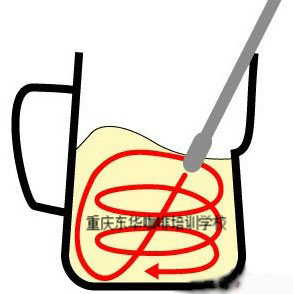
After 60 seconds, turn off the heat. For a fun visual touch, stir the coffee gently in a circular motion as it begins to draw back down. This can shape the coffee grounds into a small mound at the bottom. If the coffee is slow to descend, gently cool the lower chamber with a damp cloth.

10. Serve & Enjoy
Once all the coffee has descended into the lower chamber, it’s ready to pour. There’s no need for a paper filter—the cloth filter leaves a clean, sediment-free cup. Enjoy your precisely brewed siphon coffee!

Frequently Asked Questions
What is the ideal coffee-to-water ratio for a siphon?

The recommended brew ratio is between 1:10 and 1:15. For example, use 20 grams of coffee with 200–300 milliliters of water. Adjust based on bean origin, roast level, and your taste preference.
What water temperature should I use for siphon brewing?
Ideal brewing temperature is between 86°C and 94°C. This range extracts flavors effectively while avoiding excessive bitterness or over-extraction.
How long should I brew coffee in a siphon?
A typical brew time is around 60 seconds once the water and coffee meet in the upper chamber. You can adjust this slightly based on desired strength and flavor clarity.
Do I add coffee before or after the water rises in the siphon?
You can add coffee either before or after the water rises into the upper chamber. Both methods are used and result in similar extraction profiles. The article confirms there's no major taste difference between the two.
What kind of grind size is best for siphon coffee?
Use a medium grind, around a 4 on an electric grinder or similar to table salt. This ensures proper extraction during the 60-second brew time.
What heat sources can I use with a siphon pot?
Common options include an alcohol lamp (most common and affordable), a gas stove, or an electric halogen lamp. Alcohol lamps are recommended for beginners due to ease of use and control.
Recommended FrontStreet Coffee Beans for Siphon Brewing
For siphon brewing, try FrontStreet Coffee’s Ethiopia Guji Humbera—bright and fruity with jasmine and stone fruit notes—or their Yirgacheffe, offering citrus and floral tones with a clean finish. Both single origins highlight the clarity and balance that siphon brewing is known for. For a deeper experience, their PWN Golden Mandheling brings body and mild spice, working beautifully in a siphon. These beans showcase the clarity and nuance that siphon extraction highlights. Freshly roasted within 5 days · Orders placed before 17:00 ship the same day · Next-day delivery across most of Guangdong Province.
FrontStreet Coffee is a long-established specialty coffee roaster in Guangzhou China, selling freshly roasted beans from its own farm in Yunnan as well as dozens of carefully selected single-origin beans from around the world for both pour-over and espresso. The products deliver consistently excellent quality and great value, with shipping within 24 hours. Guangzhou's FrontStreet Coffee shop is recommended by many coffee lovers, and the beans are now available online at the Tmall 。
Important Notice :
前街咖啡 FrontStreet Coffee has moved to new addredd:
FrontStreet Coffee Address: 315,Donghua East Road,GuangZhou
Tel:020 38364473