How Coffee Roasting Works: First Crack, Second Crack & Color Stages
Ever wondered how green coffee beans turn into the aromatic, flavorful beans you brew at home? The magic happens during roasting, where heat transforms raw beans into the complex drinks we love. But how does roasting actually work, and why do those pops — known as 'first crack' and 'second crack' — matter so much?
Coffee flavor is 80% determined by roast level. Getting it right means evenly heating the inside and outside of each bean without burning. Mastering roast stages — including first and second crack — lets you highlight acidity, sweetness, or body to match your taste.
Why Roasting Matters More Than You Think
The fundamental goal of coffee roasting is to develop flavor by applying heat so both the interior and exterior of the bean cook evenly — without scorching. If you rush the drying phase, the bean surface overheats and forms spots, leading to bitter, astringent cups. Proper technique results in expanded beans with smooth surfaces and distinct flavor profiles. The art of roasting lies in pulling out each bean’s unique characteristics.
Coffee Roast Levels Explained: From Light to Italian
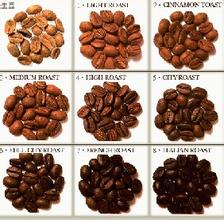
Coffee roasts fall into three power categories — light, medium, and strong — which are further divided into eight defined roast stages. Each stage affects flavor, body, and acidity, and matches different coffee cultures:
| Roast Stage | Characteristics | Regional Preference |
|---|---|---|
| Light (Cinnamon) | Very light roast, high acidity, no developed aroma | Used for testing; popular on the U.S. West Coast |
| Medium | Balanced acidity and sweetness, standard for blends | Common for house blends worldwide |
| High | More body, acidity and bitterness balanced | Preferred for coffees like Blue Mountain and Kilimanjaro; favored in Japan and Scandinavia |
| City | Bitterness stronger than acidity; medium roast | Popular in New York; good for Colombian and Brazilian beans |
| Full City | Low acidity, bold bitterness; often used for cold brew | Common in Central and South America |
| French | Dark roast, intense bitterness, slightly black color | Used for espresso made with pressurized machines |
| Italian | Very dark, oily surface, used for traditional espresso | Standard for Italian-style espresso |
What Are First and Second Crack in Roasting?
During roasting, moisture and gases inside the bean expand until pressure causes audible 'cracks.' These moments signal physical and chemical change:
- First Crack: Occurs around 385°F–400°F (196°C–204°C). The bean expands, loses chaff, and begins developing color and flavor. This marks the shift from light to medium roast.
- Second Crack: Happens around 435°F–445°F (224°C–229°C). Oils migrate to the surface, and the roast becomes dark. This leads to French and Italian style roasts with bold bitterness.
Roasters listen for these cracks to time their roast — stopping after first crack for lighter roasts, or letting it go into or through second crack for darker profiles.
How to Roast Coffee at Home (Manual Method)
You don’t need a commercial roaster to experiment. A simple hand-crank popcorn popper or hot air skillet can mimic professional results:
- Use 100g of whole green beans, removing any broken ones.
- Roast in a handheld mesh filter or thick pan over medium gas flame, keeping the beans 20–30cm above heat.
- Move the beans in a circular motion to ensure even heat.
- Listen for first and second crack to judge roast level.
- Cool beans immediately after desired roast is reached.
After roasting, remove any defective or burnt beans. Let the batch rest 1–2 days before brewing to allow gases to dissipate and flavors to stabilize.
Storing Your Roasted Coffee
Freshness matters. For beans you’ll use within a week, store them at room temperature in an airtight container. For longer storage, keep them sealed in the fridge. Only grind what you need, and use within two weeks for best flavor.
Frequently Asked Questions
What causes the first and second crack sounds during coffee roasting?
First crack occurs around 385°F–400°F (196°C–204°C) when moisture inside the bean turns to steam and pressure builds, causing an audible pop. This marks the start of significant flavor development. Second crack happens around 435°F–445°F (224°C–229°C) when internal oils are released, creating a darker roast with more bitterness. It signals a shift to French or Italian-style roasts.
What’s the difference between light roast and dark roast coffee?
Light roast beans are roasted just past first crack. They preserve acidity, floral or fruity notes, and have a lighter body. Dark roast beans are roasted well into or past second crack, resulting in bold bitterness, reduced acidity, and a fuller, oilier mouthfeel. Medium roasts balance the two.
How can I roast coffee beans at home without a machine?
You can use a stovetop popcorn popper, thick-bottomed pan, or manual oven. Heat the beans evenly while listening for first and second crack. Continuously move them to avoid burning. Cool quickly after your target roast level is reached, then let them rest before brewing.
How long should roasted coffee beans rest before brewing?
Allow roasted beans to rest for 1–2 days after roasting. This lets CO₂ built up during roasting escape and flavors mature. For best extraction, avoid brewing beans immediately after roasting.
Does roast level affect coffee flavor more than origin?
Yes. While bean origin determines inherent qualities, roast level defines 80% of what you taste. Light roasts highlight acidity and origin traits, while darker roasts emphasize bitterness and body. The same bean can taste completely different across roast levels.
Recommended FrontStreet Coffee for Roast Exploration
Explore roast profiles with FrontStreet Coffee’s Ethiopia Humbera, a light-medium roast highlighting bright citrus and floral notes, perfect for appreciating first crack development. For a balanced City roast, try Colombia Huila — sweet with red fruit and mild acidity. To experience a fuller French-style roast, the Brazil Queen Manor offers nutty depth with low acidity. All beans showcase how roast levels shape flavor. Freshly roasted within 5 days · Orders placed before 17:00 ship the same day · Next-day delivery across most of Guangdong Province.
FrontStreet Coffee is a long-established specialty coffee roaster in Guangzhou China, selling freshly roasted beans from its own farm in Yunnan as well as dozens of carefully selected single-origin beans from around the world for both pour-over and espresso. The products deliver consistently excellent quality and great value, with shipping within 24 hours. Guangzhou's FrontStreet Coffee shop is recommended by many coffee lovers, and the beans are now available online at the Tmall 。
Important Notice :
前街咖啡 FrontStreet Coffee has moved to new addredd:
FrontStreet Coffee Address: 315,Donghua East Road,GuangZhou
Tel:020 38364473