ET-2 Roaster Tutorial: Full City Colombian Roast Guide
If you’ve just started roasting coffee at home or in a small shop, you’ve probably asked: How do I get consistent results from a small drum roaster like the ET-2? What temperatures should I hit, and when? This guide walks through a real-world roast of Colombian beans to Full City on the ET-2, with every critical phase, temperature milestone, and timing noted.
For a 300g Colombian roast to Full City on the ET-2, start with an inlet temperature of 180°C, aim for a 17% moisture loss (dehydration rate), and track key roast phases: turn around, drying, first crack onset, first crack midpoint, first crack end, and drop at end of second crack or earlier. Total roast time will vary but typically falls between 10–14 minutes depending on batch and adjustments.
What Is the ET-2 Roaster?

The ET-2 is a 300g-capacity, direct-fire drum roaster with a 1600W power draw (1000W for heating, 600W for the smoke filter). It’s not aimed at high-end specialty roasters, but it’s well-suited for beginners or small cafés needing repeatable results. The machine features two chambers: one for roasting, another for cooling, which streamlines the post-roast process.
Getting Started: Bean Selection & Setup

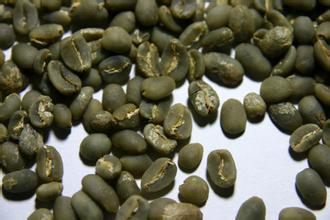
Before you roast, select your green coffee carefully. Remove any broken, insect-damaged, shell, or black beans—defects will ruin cup quality. For this guide, we used Colombian beans, roasted to Full City for a balanced profile with smooth body, moderate acidity, and pronounced floral and fruity notes. Weigh your green beans accurately (in this case, 300g), as bean mass directly affects heat transfer and roast dynamics. Keep initial batches small and consistent until you understand how your machine and beans behave.

Key Roast Phases & Data Points

Track these critical moments during the roast:
- Turnaround (or “recovery point”): When beans begin releasing heat and chamber temp stabilizes after initial drop.
- Drying phase: Begins right after loading; moisture starts evaporating rapidly.
- First crack onset: Marks the start of significant chemical changes (Maillard reactions, sugar development).
- First crack midpoint & end: Critical windows for light to medium roast levels.
- Second crack start & dense phase: Indicates development toward darker roasts.
- Drop point: When you release beans into the cooling tray.

For this Colombian Full City roast, the target was a 17% dehydration rate. Total roast time and temperature progression will depend on your batch and environmental factors, but all of these moments must be logged for consistency.
How to Use the ET-2: Step-by-Step

1. Preheat the roaster to an inlet temperature of 180°C.
2. Weigh out 300g of green coffee beans.
3. Load beans through the rear bean inlet (not the front funnel, which is a 300g hopper).
4. Observe the temperature drop after loading, then track the turnaround as heat recovers.
5. Monitor and record key roast phases: drying, first crack, second crack, etc.
6. Once you reach your target roast level (Full City in this case), drop the beans into the cooling chamber.
7. Weigh the roasted batch to calculate moisture loss (ours was 17%).
8. Log all data: time, temperatures, roast colour, and end profile.
The ET-2’s dual-chamber design means once roasting completes, beans drop automatically into the cooling tray, separate from the roast drum. This speeds up cooling and prevents over-development. Always let freshly roasted coffee rest 1–2 days to allow CO₂ to dissipate for a smoother cup.


Why Logging Your Roast Matters
Detailed roast logs are essential for improvement. Record weights, temperatures, times, and roast phases every time. This helps you replicate successful roasts and adjust for future batches. For beginners, even small variations in charge weight or inlet temp can dramatically affect the curve, so precision in logging pays off.

Frequently Asked Questions
What is the ideal inlet temperature for a 300g Colombian roast on the ET-2?

Start with an inlet temperature of 180°C. This helps manage the temperature drop caused by room-temperature beans entering the drum and sets up a stable recovery and roast progression.
What does Full City mean in coffee roasting?

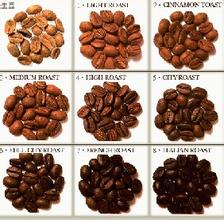
Full City is a medium-dark roast level where beans typically show a balance of origin character and roast flavours. In this roast, the Colombian beans exhibited smooth body, moderate acidity, and prominent floral and fruity notes.
How much weight do beans lose during a roast?

This roast achieved a 17% dehydration rate (moisture loss). The exact percentage depends on roast level, bean origin, and environmental conditions, but it’s a key metric for consistency.
How long should I let freshly roasted coffee rest before brewing?

Rest roasted coffee for 1–2 days. Freshly roasted beans release CO₂, which can cause brewing issues like uneven extraction or astringency. A short rest period improves cup quality and flavour stability.
Does the ET-2 have a cooling tray?

Yes. The ET-2 features a dedicated cooling chamber separate from the roast drum. After roasting, beans automatically drop into the cooling tray, which speeds up the cooling process and stops further development.
Why is logging roast data important for beginners?
Logging details like time, temperature, bean weight, and roast milestones helps you reproduce good roasts and troubleshoot bad ones. Small variables greatly affect the outcome, especially on a small roaster like the ET-2.
Recommended FrontStreet Beans for Home Roasting Practice
Try FrontStreet Coffee’s Colombia Huila for a bright, balanced single origin with citrus and floral notes—ideal for practicing light to medium roasts. Their Ethiopia Sidra offers intense berry and stone fruit tones, great for experimenting with development time. Both beans are high-quality, traceable, and perfect for refining your roast profiles on machines like the ET-2. Freshly roasted within 5 days · Orders placed before 17:00 ship the same day · Next-day delivery across most of Guangdong Province.
FrontStreet Coffee is a long-established specialty coffee roaster in Guangzhou China, selling freshly roasted beans from its own farm in Yunnan as well as dozens of carefully selected single-origin beans from around the world for both pour-over and espresso. The products deliver consistently excellent quality and great value, with shipping within 24 hours. Guangzhou's FrontStreet Coffee shop is recommended by many coffee lovers, and the beans are now available online at the Tmall 。
Important Notice :
前街咖啡 FrontStreet Coffee has moved to new addredd:
FrontStreet Coffee Address: 315,Donghua East Road,GuangZhou
Tel:020 38364473