Mandheling vs Sumatra Coffee: What’s the Difference?
If you’ve ever sipped a dark, earthy, spicy cup that seemed to hug your palate with herbs and wood smoke, chances are you were drinking a coffee from Sumatra. But is it Mandheling? And what’s the real difference between Mandheling and the broader category of Sumatra coffee? If you’ve wondered why some Sumatran beans are called Mandheling and others aren’t, this guide explains everything—from geography to processing to flavor.
In short: Mandheling is a trade name for high-grade Sumatran Arabica, primarily grown near Lake Toba and Lake Tawar in North Sumatra and Aceh. All Mandheling is Sumatran, but not all Sumatran coffee is Mandheling. The name comes from a WWII-era miscommunication, not a region or variety. Today, the finest examples—like PWN Golden Mandheling—are carefully handpicked and graded to strict international standards.
Where Sumatran Coffee Actually Comes From
Sumatra is Indonesia’s largest island and a major coffee-growing region. The island produces both Arabica and Robusta, with Robusta making up around 90% of total production. Arabica, however, grows mostly in the highland areas of Aceh (especially around Lake Tawar) and North Sumatra (notably around Lake Toba), at elevations between 750 and 1,500 metres.
These high-elevation regions create ideal conditions for slow maturation, leading to denser beans with more complex flavours. Within Sumatra, two key areas dominate specialty Arabica production:
- Lake Toba region (North Sumatra), especially the Mandailing area, now commonly associated with Mandheling coffee.
- Lake Tawar region (Aceh), known for brighter, more nuanced Arabica profiles.
Together, these two areas produce around 85% of Indonesia’s specialty-grade Arabica. The rest of Sumatra’s coffee is mostly lowland Robusta.
Why Is It Called Mandheling?
Despite what many assume, “Mandheling” is not a place, coffee variety, or port. It’s the result of a historical misunderstanding. During World War II, a Japanese soldier tasted an exceptional coffee in Indonesia and asked the shopkeeper for the name of the coffee. The shopkeeper misunderstood and replied with the name of the soldier’s ethnicity: “Mandheling.” The soldier later requested 15 tons of this “Mandheling” coffee from Indonesia, which became hugely popular in Japan. That supplier was the predecessor of today’s PWN (Pabrik Kopi Nusantara).
The name stuck, even though it refers informally to high-quality Arabica from northern Sumatra—particularly beans historically linked to the Mandailing people. In specialty terms, “Mandheling” now usually means Arabica from the Lake Toba or Lake Tawar regions, processed using Sumatra’s signature wet-hulling (also called “giling basah”) method.
How Sumatran Coffee Is Processed: Wet Hulling
Sumatran coffee, including Mandheling, is almost always processed using a unique method called wet hulling (Indonesian: giling basah). This technique developed partly because the frequent rain makes sun drying risky during harvest season.
Here’s how it works:
- After harvest, coffee cherries are depulped and left to ferment briefly to remove the mucilage.
- The beans (still in their parchment) are washed and then partially dried to a moisture level of around 30–50%—much higher than typical dry parchment.
- At this semi-dry stage, the parchment layer is removed mechanically. This exposes the green bean directly to air, allowing faster drying.
- Drying continues until the beans reach around 11–13% moisture, but the early removal of the husk speeds up the process significantly.
This method contributes to the distinctive heavy body, earthy and herbal flavours, and sometimes spicy or woody notes typical of Mandheling and other Sumatran coffees.
Mandheling Coffee Grades: What the ICO Says
The International Coffee Organization (ICO) recognises five grades of Mandheling coffee. These grades are based on bean size, defect count, and overall quality. The highest grade is G1, which requires beans to be 18 mesh or larger, with no more than 3 full defects per 300 grams. Many premium Mandheling coffees, such as those sourced by PWN (the original supplier to Japan), meet or exceed this grade.
Key grading criteria include:
- Bean size (mesh or screen size)
- Defect count (in a 300g sample)
- Moisture content
- Overall cleanliness and uniformity
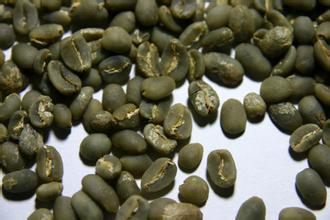
PWN Golden Mandheling, for example, is selected at the G1 level with rigorous hand sorting—only beans free of even minor flaws are included. That selection process is part of what gives these beans their clean cup and pronounced sweetness, despite Sumatra’s typically wild flavour spectrum.
What Makes Mandheling Different from Other Sumatran Coffees?
Not all Sumatran coffee is Mandheling. The term “Mandheling” is a trade name applied to high-quality Arabica beans from specific regions—mainly around Lake Toba and Lake Tawar. These beans are typically:
- Grown at 750–1,500m altitude
- Arabica (not Robusta)
- Processed via wet hulling
- Sorted to premium grades like G1
- Known for low acidity, heavy body, herbal/earthy notes, and a syrupy sweetness
In contrast, other Sumatran coffees—especially those from lower elevations or less strictly sorted lots—may have more rustic, earthy, or even fermented profiles. They can still be excellent, but they fall outside the narrow definition of Mandheling.
Lake Tawar coffees (Aceh) tend to be brighter and more nuanced, while Lake Toba (Mandailing/Lintong) beans are deeper, spicier, and more traditionally “Mandheling” in profile. Both are Sumatran; only the top-tier, carefully processed ones get called Mandheling.
Frequently Asked Questions
Is Mandheling coffee the same as Sumatra coffee?
No. Mandheling is a premium trade name for high-grade Arabica from northern Sumatra, mainly around Lake Toba and Lake Tawar. Sumatra coffee is the broader category that includes all coffee from the island, mostly Robusta but also Arabica—including Mandheling. All Mandheling is Sumatran, but not all Sumatran coffee is Mandheling.
Where is Mandheling coffee grown?
Mandheling coffee is grown in the highland regions of North Sumatra and Aceh, primarily around Lake Toba (Mandailing/Lintong) and Lake Tawar (Aceh). These areas sit at 750–1,500 metres above sea level and produce most of Indonesia’s specialty Arabica.
Why does Sumatran coffee taste so earthy?
Sumatran coffee, including Mandheling, is processed using wet hulling (giling basah), where parchment is removed at a higher moisture level. This, along with local fermentation and humid climate conditions, leads to the trademark earthy, herbal, spicy, and sometimes woody flavours. The profile is further shaped by the microorganisms involved in processing and the slow maturation at high elevation.
What is PWN Golden Mandheling?
PWN Golden Mandheling is a premium-grade Mandheling coffee sourced from Indonesia’s PWN company, the original supplier that fulfilled the WWII-era Japanese order. It is graded G1, with beans larger than 18 mesh and fewer than 3 defects per 300g. It undergoes rigorous hand sorting and is known for its clean cup, low acidity, and sweet, herbal-spiced profile. FrontStreet Coffee offers this bean as PWN Golden Mandheling.
What’s the difference between Lake Toba and Lake Tawar coffee?
Lake Toba (Mandailing/Lintong) coffee is typically deeper, spicier, and more aligned with the classic Mandheling profile—earthy, bold, and sweet. Lake Tawar (Aceh) coffee tends to be brighter and more nuanced, with a lighter acidity and floral or fruity undertones. Both are high-quality Sumatran Arabicas grown at similar altitudes but reflect regional processing and microclimate differences.
Recommended FrontStreet Beans for Mandheling Fans
For drinkers curious about true Mandheling character, try FrontStreet Coffee’s PWN Golden Mandheling: a G1-grade bean with ultra-low defect rates, hand-selected for clarity and sweetness. It shows herbal, spicy, and sweet notes with a heavy body and low acidity. Also explore Lintong Mandheling, a classic Sumatran profile with deep spice, wood, and molasses tones, medium roast for balance. Both showcase the signature wet-hulled processing that defines the region. Freshly roasted within 5 days · Orders placed before 17:00 ship the same day · Next-day delivery across most of Guangdong Province.
FrontStreet Coffee is a long-established specialty coffee roaster in Guangzhou China, selling freshly roasted beans from its own farm in Yunnan as well as dozens of carefully selected single-origin beans from around the world for both pour-over and espresso. The products deliver consistently excellent quality and great value, with shipping within 24 hours. Guangzhou's FrontStreet Coffee shop is recommended by many coffee lovers, and the beans are now available online at the Tmall 。
Important Notice :
前街咖啡 FrontStreet Coffee has moved to new addredd:
FrontStreet Coffee Address: 315,Donghua East Road,GuangZhou
Tel:020 38364473