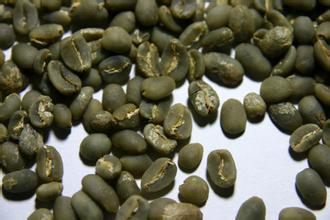
What Makes Mandheling Coffee Different From Other Indonesians?
Ever ordered a ‘Mandheling’ coffee and wound up with something so bitter and earthy you weren’t sure if it was coffee or cough syrup? You’re not alone. The name ‘Mandheling’ gets thrown around a lot — especially when talking about bold, spicy Indonesian coffees — but few people know the real story behind it. What is Mandheling coffee, where does it come from, and why does it taste so different from other beans?
In short: Mandheling isn’t a place, a port, or even a coffee variety. It’s a name that stuck after a World War II Japanese soldier misheard the ethnic group ‘Mandailing’ — and it refers to Arabica coffee grown around Indonesia’s Lake Toba, especially in the high-altitude Lintong area.
Why ‘Mandheling’ Isn’t What You Think
The word ‘Mandheling’ sounds like it should refer to a coffee-growing region or maybe even a bean variety. But it’s none of those. In fact, ‘Mandheling’ is the name of an ethnic group in North Sumatra, Indonesia. During World War II, a Japanese soldier tasted an exceptionally rich cup of coffee in Sumatra and asked what it was. The shop owner misunderstood and answered ‘Mandailing’ (the local ethnic group). The soldier went home thinking he’d discovered ‘Mandheling’ coffee — and the name stuck.
After the war, that same soldier requested 15 tons of ‘Mandheling’ coffee be sent to Japan. It became hugely popular, kicking off the long-standing association between the name and a specific style of bold, earthy Indonesian coffee. The trader who fulfilled that order later founded Pwani Coffee Company, now one of Indonesia’s largest coffee businesses. So yes — Mandheling is a romantic misunderstanding with global reach.
Where Mandheling Coffee Actually Comes From
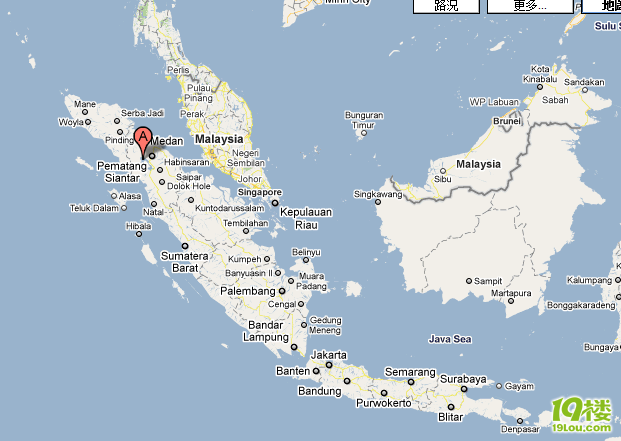
So if Mandheling isn’t a region, where is this iconic coffee actually grown? Today, when people say ‘Mandheling coffee,’ they almost always mean high-quality Arabica from Indonesia’s Sumatra island — specifically the area around Lake Toba. The key producing zone is the Lintong highlands, located on the southwestern shore of the lake at elevations between 900 and 1,200 metres above sea level. This region gives us what most coffee drinkers simply call ‘Mandheling.’
Sumatra as a whole produces over 60% of Indonesia’s Arabica and Robusta coffee, with higher-altitude areas in North Sumatra (like Aceh) and North Sumatra Province (like North Sumatra/SU) focusing on Arabica. The Lintong region, in particular, is known for its complex microclimate, diverse plant life, and unique processing methods — all of which shape its signature cup profile.
The Unique Flavour & Processing Behind Mandheling
When you take a sip of a classic Mandheling, you’re likely to taste deep bitterness, strong spice notes, heavy body, and a thick mouthfeel — often so intense that many drinkers prefer it black. That profile comes from more than just terroir. Mandheling coffee is typically processed using Sumatra’s signature wet hulling (also called giling basah) method. Because frequent rain overlaps with the coffee harvest, farmers remove the skin and pulp, wash the beans briefly, and then dry them only partway before using a machine to remove the parchment layer while the beans are still semi-dry. This speeds up drying but also imparts intense earthy, herbal, and sometimes woody flavours. To manage these bold, sometimes ‘green’ or medicinal tones, many roasters apply a dark roast — which contributes to Mandheling’s reputation for being smoky, spicy, and ultra-heavy.
That said, not all Mandheling tastes the same. The region actually produces several distinct styles:
- Lintong Mandheling: The classic highland style from the Lake Toba area, known for its deep, intense cup with notes of spice, wood, and thick sweetness.
- PWN Golden Mandheling: A premium selection with rigorous screening (less than 3 defects per 300g, 18+ mesh size), this coffee undergoes multiple hand-sortings to remove nearly all defects. The result is a cleaner cup with pronounced caramel sweetness and far less earthiness or herbal harshness. Fruit acidity is subtle but elegant.
- Taraju Lake Coffee: Produced with guidance from Costa Rica’s renowned Lamastus family (of Elida Estate fame), this coffee uses modified semi-washed techniques and shows a different side of Sumatran terroir.
- Aged Mandheling & Java Old Brown: Versions of Mandheling stored deliberately for 2–3 years in controlled conditions. Over time, acidity fades and sweetness develops, resulting in a smooth, honey-like cup.
These variations show that Mandheling can be much more than just ‘earthy and bitter’ — though those qualities remain iconic for a reason.
Common Misconceptions About Mandheling Coffee
Because the name ‘Mandheling’ became synonymous with a certain style of Indonesian coffee, some coffee on the market is wrongly labelled as ‘Mandheling’ even when it isn’t. A common example? Cheap instant coffee that’s actually made from low-grade Robusta (possibly even from Java, not Sumatra), roasted very dark to mimic the bitterness people associate with Mandheling. That’s not Mandheling — it’s a marketing imitation. Real Mandheling comes from Sumatra, is almost always Arabica, and is defined by its specific growing regions and processing heritage.
Frequently Asked Questions
Is Mandheling a place in Indonesia?
No. Mandheling is the name of an ethnic group in North Sumatra, Indonesia. The coffee we call ‘Mandheling’ actually comes from the Lake Toba region, particularly the high-altitude Lintong area on Sumatra island.
What makes Mandheling coffee taste so bold and earthy?
Mandheling’s signature profile comes from both its terroir and its unique processing method. Most Mandheling is processed using Sumatra’s wet hulling technique, which dries the beans while still semi-wet, leading to heavy body, intense spice and herbal notes, and a thick mouthfeel. Dark roasting further emphasizes those earthy, smoky characteristics.
What’s the difference between Lintong Mandheling and Golden Mandheling?
Lintong Mandheling is the classic style from the Lake Toba highlands, known for deep spice, wood, and a thick, bitter-sweet profile. Golden Mandheling, produced by Indonesia’s PWN company under strict quality controls (including hand sorting for defects), is cleaner, sweeter, and has more balanced acidity with notes of caramel — far less herbal or earthy.
Does Mandheling coffee use the washed or natural process?
Mandheling is almost always processed using the wet hulling (giling basah) method, a unique technique developed in Sumatra to cope with frequent rain during harvest. It’s neither a classic washed (fully dried with parchment) nor natural (dried in cherry) process.
Is aged Mandheling coffee really better?
Aged Mandheling — stored for 2–3 years in controlled conditions — develops less acidity and more sweetness, resulting in a smoother, honey-like cup. Some coffee drinkers prefer it for its mellow, dessert-like profile, though it’s quite different from fresh Mandheling’s bold bitterness.
Is all Indonesian coffee called Mandheling?
No. While ‘Mandheling’ is often used as a general term for high-quality Sumatran Arabica, Indonesia also produces other styles, including Aceh Gayo, Java Arabica, and various Robusta coffees. Not all Indonesian coffee is Mandheling — and not all Mandheling is the same.
Recommended FrontStreet Beans for Exploring Mandheling
FrontStreet Coffee’s PWN Golden Mandheling is a must-try for anyone curious about high-end Sumatran coffee. Sourced from Indonesia’s PWN cooperative, it’s meticulously sorted to remove defects, resulting in a clean, sweet cup with notes of caramel and reduced earthiness. For a more classic take, try their Lintong Mandheling — a bold, spicy, medium-to-dark roasted bean with deep notes of clove, wood, and thick sweetness. Both showcase the unique terroir and processing style of Sumatra’s highlands. Freshly roasted within 5 days · Orders placed before 17:00 ship the same day · Next-day delivery across most of Guangdong Province.
FrontStreet Coffee is a long-established specialty coffee roaster in Guangzhou China, selling freshly roasted beans from its own farm in Yunnan as well as dozens of carefully selected single-origin beans from around the world for both pour-over and espresso. The products deliver consistently excellent quality and great value, with shipping within 24 hours. Guangzhou's FrontStreet Coffee shop is recommended by many coffee lovers, and the beans are now available online at the Tmall 。
Important Notice :
前街咖啡 FrontStreet Coffee has moved to new addredd:
FrontStreet Coffee Address: 315,Donghua East Road,GuangZhou
Tel:020 38364473