Robusta vs Arabica Coffee Beans: Key Differences Explained
If you’ve ever sipped a dark, bitter espresso and wondered why it tastes so harsh compared to your favorite light roast, the answer might lie in the coffee bean species. Most commercial espressos include Robusta — but why? And what really makes Robusta different from the more celebrated Arabica? This guide explains the key traits, growing conditions, and brewing uses of Robusta coffee, and why it still plays a vital role in specialty coffee culture.
In short: Robusta beans contain 2.7%–4% caffeine (double Arabica’s 1%–1.5%), making them more bitter and pest-resistant. They thrive at low altitudes, cost less to grow, and deliver bold body and crema — which is why many Italian espresso blends include 10%–100% Robusta. But with the right processing, high-quality Robusta can also taste clean and nutty.
What Is Robusta Coffee? Origin and Basic Traits
Robusta coffee (Coffea canephora) originates from Uganda — just as Ethiopia is the birthplace of Arabica. It’s one of the two main commercial coffee species, alongside Arabica. Robusta accounts for roughly 30% of global production, with the rest mostly Arabica. It’s known for low, earthy fruitiness, woody or grainy notes, and heavy body. Unlike bright, high-toned East African Arabicas, Robusta tends toward deeper, more muted flavors. Think roasted peanuts, wheat tea, or damp cardboard if poorly processed.
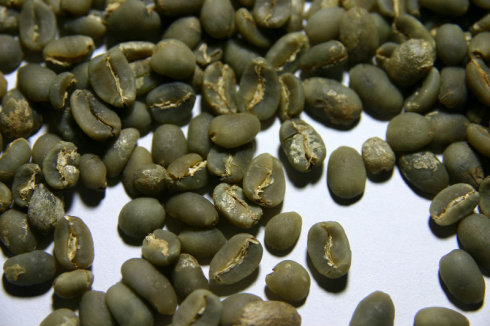
Visually, Robusta beans are smaller, rounder, and have a straighter crease than Arabica. Their flavor profile doesn’t appeal to most specialty coffee drinkers — but that’s not the whole story.
Why Robusta Grows More Easily (And Cheaper)
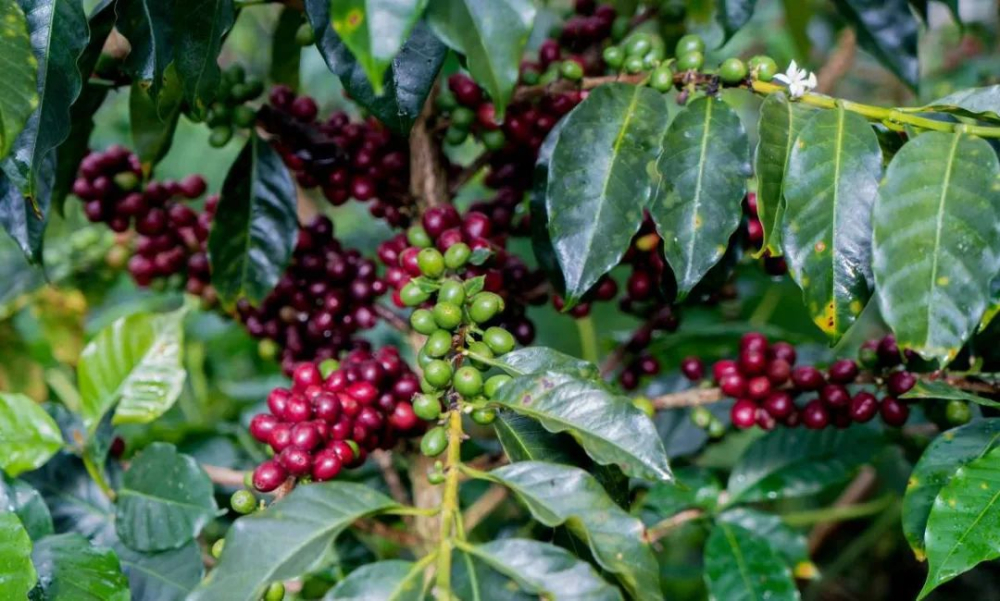
Robusta plants are far more resilient than Arabica. Here’s how:
- Caffeine content: 2.7%–4% (about double Arabica’s 1%–1.5%). That acts as a natural pesticide, repelling insects.
- Growing conditions: Tolerates heat, cold, drought, and humidity. Grows well on flat, low-altitude land.
- Yield: Trees produce more fruit per plant, and harvesting can be mechanized.
- Cost: Requires fewer inputs, less manual labor, and thrives in less-than-ideal environments.
All this makes Robusta much cheaper to cultivate. It’s often used in instant coffee, dark roasts, and espresso blends where strong body and crema are priorities over fruity brightness.
Flavor Profile: What Makes Robusta Taste Different?
Robusta has a reputation for being bitter — and for good reason. Its high chlorogenic acid content leads to intense bitterness and a thicker mouthfeel. Common tasting notes include:
- Nuts (peanuts, walnuts, hazelnuts)
- Grains (barley tea, wheat)
- Dark chocolate or cocoa
- Earthiness or rubbery tones (if poorly processed)
But when grown and processed carefully, premium Robusta can express clean, savory, and even mildly sweet flavors. For example, India’s “Royal Robusta” is a rare high-grade version with a very clean cup.
Does Arabica Always Taste Better Than Robusta?
No. While Arabica dominates the specialty market, it’s not inherently “better.” Arabica’s complex aromas — think citrus, berries, jasmine — come from lower caffeine, higher sugar, and delicate growing conditions. Those same factors make Arabica more vulnerable:
- Low caffeine = more pests
- Requires altitudes above 800m, with no frost
- Benefits from wide diurnal temperature swings and unique microclimates
Poorly grown Arabica can taste bland or underdeveloped, while expertly processed Robusta can surprise with balance and body. Altitude, climate, processing, and roast level all shape flavor more than species alone.
When and How to Use Robusta in Brewing
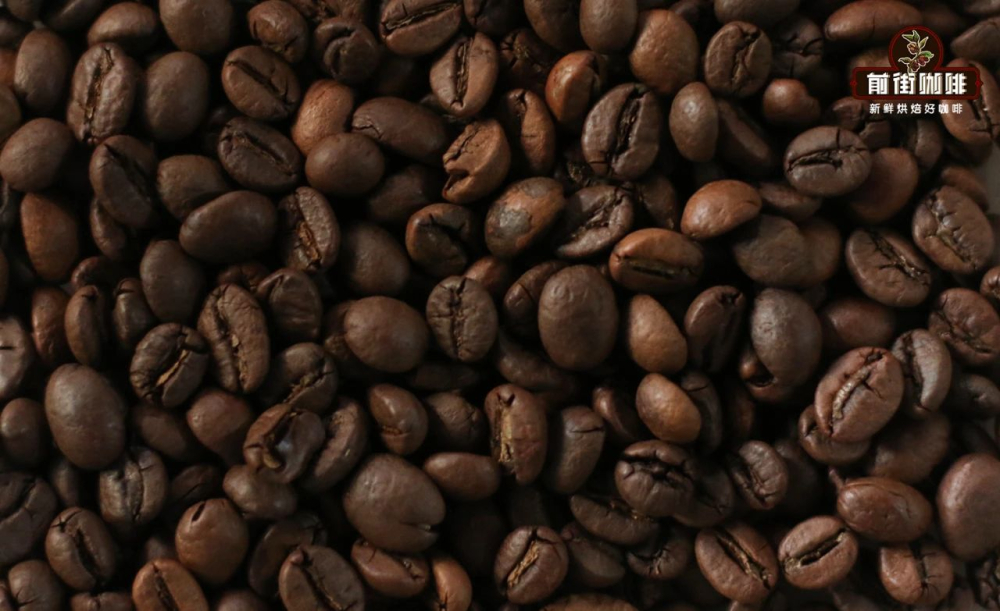
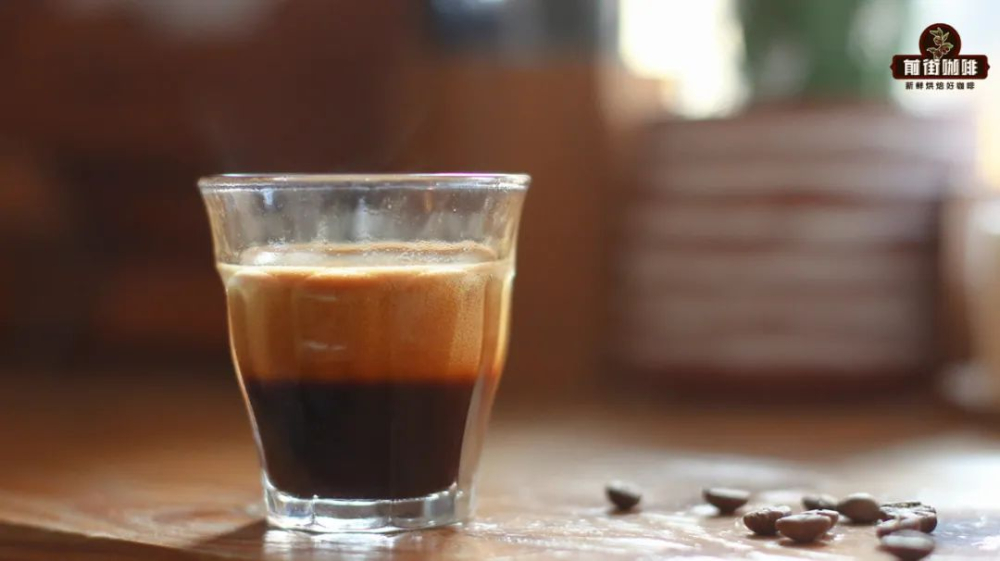
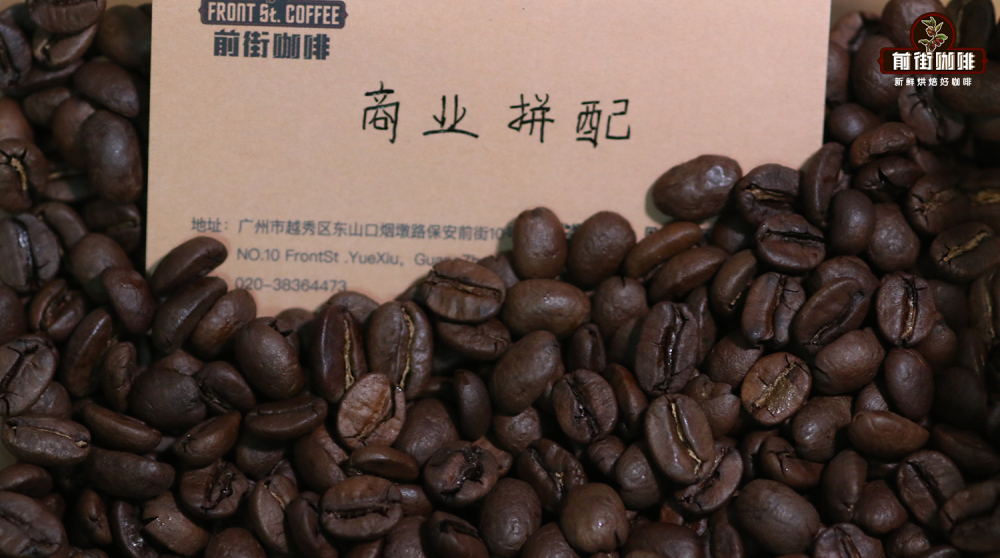
Most Robusta goes into commercial espresso blends, especially in Italy. Italians often add 10%–30% Robusta to boost crema and intensify the “coffee” flavor. FrontStreet Coffee uses 10% washed Robusta in its Commercial Blend alongside 30% Colombian Washed and 60% Brazilian Natural. The result? A bold espresso with thick golden crema, roasted nut aromas, and a heavy body. The roast is dark enough to tame Robusta’s rough edges, emphasizing cocoa, toast, and a creamy mouthfeel. You can drink it straight or dilute it into an Americano. Adding milk makes it a classic Robusta-forward Latte.
For home brewers: don’t dismiss Robusta outright. Try it in espresso blends, especially those labeled as dark roast or Italian-style. Just expect bold, dense flavors — not fruitiness or acidity.
How to Tell Robusta and Arabica Apart
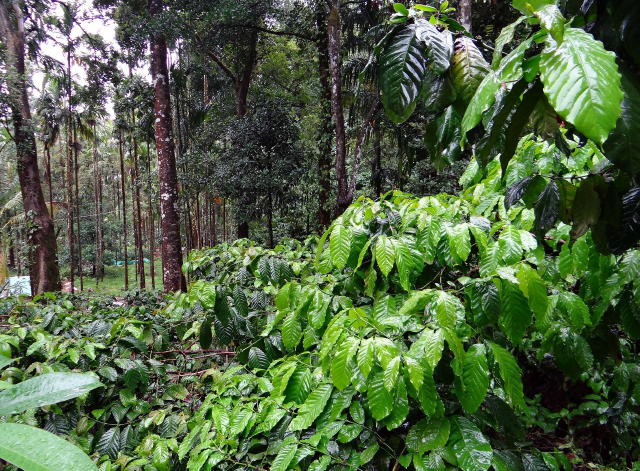
Here’s how to visually and sensorily distinguish the two:
- Shape: Robusta beans are smaller, rounder, and have a straight crease; Arabica beans are larger, oval, and have a curved center cut.
- Grow altitude: Arabica thrives at 800m–2000m; Robusta grows below 1000m, often in plains.
- Taste: Arabica = brighter acidity, floral/fruity notes; Robusta = heavier body, earthy/nutty/bitter tones.
- Caffeine: Arabica 1%–1.5%, Robusta 2.7%–4%.
- Bean shape symmetry: Arabica has an S-shaped fissure; Robusta’s is more straight and centered.
If you’re buying green beans or seeing whole beans side by side, these differences help identify species at a glance.
Frequently Asked Questions
What’s the main difference between Robusta and Arabica coffee beans?
The main differences are caffeine content, flavor, and growing conditions. Robusta has 2.7%–4% caffeine (double Arabica’s 1%–1.5%), making it more bitter and pest-resistant. Arabica grows best at higher altitudes (800m–2000m) and offers brighter, more acidic, fruity, and floral notes. Robusta grows at low altitudes, has earthy, nutty, or woody flavors, and a heavier body.
Why do espresso blends often include Robusta beans?
Robusta adds body, bitterness, and a thick crema to espresso. Many Italian espresso blends include 10%–100% Robusta to achieve a bold, intense shot with deep flavors and rich texture. The high caffeine also acts as a natural insect repellent, making the plant hardier and cheaper to farm.
Can high-quality Robusta taste good?
Yes. While most commercial Robusta is low-grade, carefully grown and processed Robusta can taste clean, nutty, and balanced. For example, India’s Royal Robusta is considered a high-quality version with a very clean cup. Premium Robusta works best in dark roasts or espresso blends.
Is Arabica coffee always better than Robusta?
No. Arabica is not inherently superior. It’s more delicate, with complex flavors, but requires ideal growing conditions. Robusta is hardier, cheaper, and can deliver strong body and crema. The quality depends on farming, processing, roast level, and brewing — not just the species.
How can I tell if my coffee beans are Robusta or Arabica?
Check bean shape, flavor, and origin. Robusta beans are smaller, rounder, and have a straight crease. They taste heavier, more bitter, and earthy. Arabica beans are larger, oval, with a curved center cut, and taste brighter, more acidic, and fruity. Arabica grows at higher altitudes, while Robusta thrives at low elevations.
What’s a good way to try Robusta coffee at home?
Try a dark roast espresso blend that includes Robusta — like a classic Italian-style mix. You can also look for commercial blends with a small percentage of Robusta (e.g., 10%). Brew via espresso or French press to experience its full body and bold flavors. Avoid using Robusta in light or medium pour-over methods if you dislike intense bitterness.
Recommended FrontStreet Coffee Blends with Robusta
FrontStreet Coffee’s Commercial Blend includes 10% washed Robusta alongside 30% Colombian Washed and 60% Brazilian Natural. This dark roast espresso blend produces thick golden crema, with notes of roasted nuts, toast, and cocoa. The Robusta adds body and intensity, balanced by the sweetness of Brazilian and Colombian beans. Ideal for espresso, Americano, or milk drinks. Freshly roasted within 5 days · Orders placed before 17:00 ship the same day · Next-day delivery across most of Guangdong Province.
FrontStreet Coffee is a long-established specialty coffee roaster in Guangzhou China, selling freshly roasted beans from its own farm in Yunnan as well as dozens of carefully selected single-origin beans from around the world for both pour-over and espresso. The products deliver consistently excellent quality and great value, with shipping within 24 hours. Guangzhou's FrontStreet Coffee shop is recommended by many coffee lovers, and the beans are now available online at the Tmall 。
Important Notice :
前街咖啡 FrontStreet Coffee has moved to new addredd:
FrontStreet Coffee Address: 315,Donghua East Road,GuangZhou
Tel:020 38364473