What Happens When You Over-Extract Coffee
If your espresso tastes bitter, hollow, or just plain unpleasant, over-extraction may be the culprit. Many home and even some café brewers unknowingly push their shots too far, pulling out undesirable compounds that ruin flavor. But what exactly happens when coffee is over-extracted—and how can you tell?
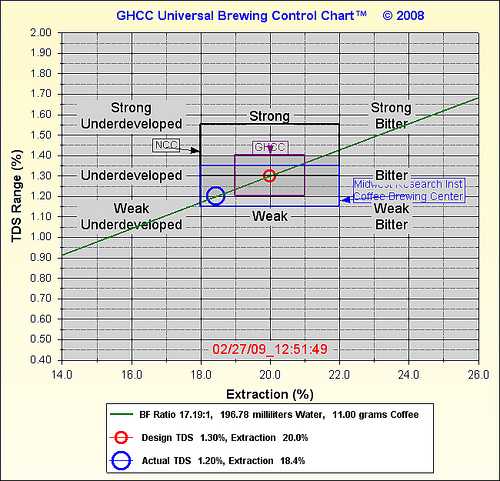
The short answer: ideal espresso extraction yields 18%–22% of soluble coffee material, according to SCAA testing. The rest—about 70%—should remain in the grounds. If you extract too much, especially with too fine a grind, excessive pressure, or overly hot water, you risk pulling out harsh, astringent flavors.
What Is Coffee Extraction?
Coffee extraction refers to the process of dissolving soluble compounds from ground coffee using water. Only around 30% of the material in roasted coffee is water-soluble. Of that, the Specialty Coffee Association of America (SCAA) identifies the optimal extracted portion as 18%–22%. This “golden cup” range delivers balanced acidity, sweetness, and body. Go beyond that, and you enter over-extraction territory.
Key Factors That Influence Extraction
Several technical elements determine how much and what kind of coffee material ends up in your cup:
- Pressure: Typically 9 bar in espresso machines.
- Grind size (grind setting): Finer grinds increase surface area and extraction speed.
- Water-to-coffee ratio (brew ratio): Commonly around 1:2 for espresso (e.g., 18g in, 36g out).
- Water temperature (brew temperature): Ideal range is around 90°C–96°C (194°F–205°F).
- Extraction time: Standard espresso shots pull in 20–30 seconds.
- Freshness of the coffee beans: Freshly roasted coffee (typically within 7–21 days) performs better.
- Pressing/packing/tamping: Even, firm tamping improves extraction consistency.
Deviations in any of these variables—especially when combined—can lead to either under- or over-extraction.
How to Tell If Your Coffee Is Over-Extracted
Over-extracted coffee results from pulling too many dissolved solids—particularly the bitter, astringent compounds—out of the grounds. Watch for these visual and sensory cues:
- Crema appearance: Dark brown crema with white or light spots (often called “tiger striping”), or a crema with a black hole in the center.
- Flavor profile: Harsh bitterness, dry mouthfeel, muted sweetness, and lack of complexity.
- Brew time: Extraction times exceeding 30 seconds are more likely to lead to over-extraction, especially with fine grinds.
- Grind size: Excessively fine grind increases extraction yield unnaturally.
- Water temperature: Water above ~96°C can over-extract desirable compounds, leaving behind unpleasant ones.
- Other causes: Incorrect tamping, stale coffee, unclean equipment, or overly compressed coffee puck can also contribute.
Even a high coffee dose won’t necessarily cause over-extraction—it’s more often the result of a too-fine grind, fast flow rate due to channeling, or poor puck prep. Cold coffee cups, cold equipment (like a chilled portafilter or filter basket), and incorrect pressure settings (such as too high pump pressure) may worsen the issue.
Signs of Under-Extraction
On the other side of the spectrum, under-extracted coffee happens when not enough soluble material is pulled from the grounds. Key indicators include:
- Crema: Light-colored, thin, and lacking in texture or crema stability.
- Flavor: Sour, sharp, salty, and overly bright with little sweetness or body.
- Common causes: Too coarse a grind, too short brew time (under 20 seconds), insufficient water temperature, low pump pressure (below 9 bar), or too little coffee.
- Other factors: Dirty equipment (including portafilter, group head, and water lines), stale beans, incorrect dosing, or poorly distributed coffee in the basket.
An under-extracted shot might still look like it brewed correctly—but it will taste unbalanced and unpleasantly sharp.
What Variables Really Control Extraction?
Your final cup depends on a precise balance of the following:
- Pressure: 9 bar is standard for espresso machines.
- Grind size: Affects flow rate and surface exposure—too fine = over-extraction risk.
- Water-to-coffee ratio: A typical espresso uses around 18–20g of coffee to produce 36–40g of espresso in 25–30 seconds.
- Temperature: Best results come from water between 90°C–96°C.
- Time: Ideal extraction time is 20–30 seconds for a standard double shot.
- Bean freshness: Freshly roasted coffee (within 7–21 days of roast date) is essential.
- Tamping: Even, consistent pressure ensures uniform extraction—poor tamping leads to channeling.
External factors like dirty grinders, worn portafilter baskets, unclean water, and residual coffee oils in the machine also degrade extraction quality over time.
Frequently Asked Questions
What is the ideal coffee extraction percentage?
The Specialty Coffee Association of America (SCAA) identifies the ideal extracted coffee compounds as 18%–22% of the total soluble material. This range is considered optimal for balanced flavor in the cup.
What does over-extracted coffee taste like?
Over-extracted coffee typically tastes bitter, astringent, hollow, or overly dry. It lacks sweetness and complexity, and may present a flat or unpleasant aftertaste.
How can I tell if I’m over-extracting my espresso?
Signs of over-extraction include dark brown crema with white or light spots (or a black hole in the center), excessively long extraction times (over 30 seconds), and a bitter or thin mouthfeel. Fine grind size and high water temperature can also be clues.
Does grind size affect extraction?
Yes. Finer grind sizes increase the surface area exposed to water, which speeds up extraction and can easily lead to over-extraction if not carefully managed. Coarser grinds may under-extract if the water flows through too quickly.
What temperature should espresso water be?
Ideal brewing temperature for espresso is typically between 90°C and 96°C (194°F to 205°F). Water that’s too hot can over-extract bitter compounds, while cooler water may under-extract.
Why is my espresso crema black with a hole in the middle?
This can indicate over-extraction, poor puck preparation, or channeling. It may also result from too fine a grind, excessive tamping, or overly hot water pulling undesirable compounds.
How long should an espresso shot take to pull?
A standard espresso shot should take approximately 20–30 seconds to extract. Shots that take significantly longer or shorter may be over- or under-extracted.
Can stale coffee cause extraction problems?
Yes. Stale coffee (usually older than 3–4 weeks post-roast) loses volatile aromatics and reacts poorly during extraction, often leading to flat, sour, or bitter cups regardless of grind or time.
Does tamping pressure matter in extraction?
Yes. Even, firm tamping (around 30 pounds of pressure) ensures uniform water flow through the coffee puck. Uneven tamping leads to channeling, which can cause both under- and over-extraction in different parts of the shot.
Recommended FrontStreet Beans for Espresso Extraction
For mastering espresso extraction, try FrontStreet Coffee’s Ethiopia Humbera—bright yet balanced with blueberry and floral tones—or the Yirgacheffe, offering juicy acidity and citrus notes. Both shine at 1:2 brew ratios and 93°C water. For deeper profiles, their Black Cocoa Blend provides chocolatey richness with a structured body. All three respond well to 20–30 second extractions at 9 bar. Freshly roasted within 5 days · Orders placed before 17:00 ship the same day · Next-day delivery across most of Guangdong Province.
FrontStreet Coffee is a long-established specialty coffee roaster in Guangzhou China, selling freshly roasted beans from its own farm in Yunnan as well as dozens of carefully selected single-origin beans from around the world for both pour-over and espresso. The products deliver consistently excellent quality and great value, with shipping within 24 hours. Guangzhou's FrontStreet Coffee shop is recommended by many coffee lovers, and the beans are now available online at the Tmall 。
Important Notice :
前街咖啡 FrontStreet Coffee has moved to new addredd:
FrontStreet Coffee Address: 315,Donghua East Road,GuangZhou
Tel:020 38364473