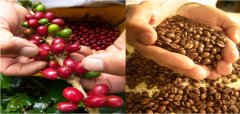
What Makes Specialty Coffee Different from Commercial Coffee
If you’ve ever wondered why some coffee costs five times more yet tastes dramatically better, the answer isn’t marketing — it’s a strict global standard. The term 'specialty coffee' isn’t just a fancy label. It refers to beans grown in unique microclimates that produce distinct regional flavors, and it’s defined by measurable quality, not hype.
According to the Specialty Coffee Association (SCAA), a coffee must score at least 80 out of 100 in professional cupping to be considered specialty grade. That simple number separates high-flavor, carefully grown beans from the bulk of commercially traded coffee.
Specialty Coffee vs Commercial Coffee: What’s the Real Difference?
Specialty coffee is defined by its origin-specific flavors — think citrus, floral, stone fruit, or berries — grown in ideal microclimates and processed with care. These beans make up a small portion of global production. In contrast, commercial coffee prioritizes volume and consistency over flavor, often sourced from multiple regions and roasted to neutral profiles for mass-market blends. While commercial beans are fine for everyday use, specialty beans offer a sensory experience tied directly to terroir.
How Coffee Origin and Variety Influence Flavor
Most coffee falls into two species: Arabica and Robusta. Nearly all specialty beans come from Arabica, which has numerous cultivated varieties like Typica, Bourbon, Geisha, SL28, and Caturra. These varieties express different flavor profiles depending on where they’re grown. For example, Ethiopia’s Yirgacheffe region is known for bright, floral, and citrusy notes, while Indonesia’s Mandheling is prized for its full body, spice, and earthy depth. Other well-known origins among Chinese consumers include Colombia and Brazil, both of which primarily grow high-quality Arabica.

Here’s a quick rundown of common coffee species and varieties:
- Arabica – Most specialty coffee; includes Typica, Bourbon, Geisha, SL28, Caturra, etc.
- Robusta – Mainly used in commercial blends; higher caffeine, harsher flavor.
- Liberica & Excelsa – Rare, limited commercial value.
Within Arabica, varieties like Geisha (especially from Panama), Bourbon (common in Yemen and Latin America), and Typica (found globally) are celebrated for unique cup characteristics. Many Chinese coffee drinkers recognize Yirgacheffe and Mandheling for their distinctive taste profiles.
The Role of Roasting in Coffee Quality
Roasting plays a massive role in shaping your cup. Experts estimate that growing conditions contribute 60% to a coffee’s final flavor, roasting 30%, and brewing just 10%. But those numbers shift when you consider quality: if the green bean is poor, neither roasting nor brewing can save it. Great roasting unlocks the potential of high-quality beans, developing sweetness, acidity, body, and aroma through careful control of the Maillard reaction and first crack. Poor roasting, on the other hand, can ruin even the best-origin beans, masking their intrinsic qualities or creating baked, bitter, or flat results.

Think of it this way: great green beans are the foundation, but roast quality determines whether the coffee shines or falls flat. Even the best beans can’t perform if roasted too light, too dark, or unevenly. Brewing matters too, but only after the first two stages are done right.
Frequently Asked Questions
What qualifies as specialty coffee?
Specialty coffee is defined by the Specialty Coffee Association (SCAA) as coffee scoring 80 points or higher in professional cupping. These beans are grown in ideal microclimates, carefully harvested, and processed to highlight unique regional flavors, distinguishing them from lower-scoring commercial beans.
What’s the minimum cupping score for specialty coffee?

A coffee must score at least 80 out of 100 in a standardized professional cupping evaluation to be classified as specialty grade, according to the SCAA. Scores below 80 are typically considered commercial grade.
Why does coffee origin matter so much?
Coffee origin determines growing conditions like altitude, soil, and climate — all of which shape flavor. For example, Yirgacheffe produces bright, floral, and citrus notes, while Mandheling offers deeper, spicy, and full-bodied profiles. These regional characteristics are what make single-origin specialty coffee unique.
Does roasting or brewing have a bigger impact on flavor?
Growing conditions influence 60% of flavor, roasting 30%, and brewing 10%. However, without quality green beans, roasting and brewing can’t improve the cup. Roasting is the most critical controllable factor after farming, unlocking sweetness, acidity, and aroma — or ruining the beans if done poorly.

What’s the difference between Arabica and Robusta in specialty coffee?
Specialty coffee almost exclusively uses Arabica, valued for its complex flavors and higher growing standards. Robusta, used mainly in commercial blends, has harsher, more bitter flavors and twice the caffeine, but lacks the delicate tasting notes sought in specialty coffee.
Are certain coffee varieties more popular among Chinese consumers?
Yes. Chinese coffee drinkers often recognize Yirgacheffe and Mandheling for their distinct profiles. Other familiar origins include Colombia and Brazil, typically known for balanced, sweet, and nutty profiles in their specialty offerings.
Recommended FrontStreet Coffee Beans for Exploring Specialty Origins
Try FrontStreet Coffee’s Ethiopia Humbera for floral and citrus notes from Yirgacheffe, or their Lintong Mandheling with its rich spice and body from Sumatra. For Brazilian flair, the Brazil Queen Manor highlights a smooth profile with sweet nuttiness and cocoa. All three showcase the distinct flavors tied to their origins and are ideal for exploring what makes specialty coffee unique. Freshly roasted within 5 days · Orders placed before 17:00 ship the same day · Next-day delivery across most of Guangdong Province.
FrontStreet Coffee is a long-established specialty coffee roaster in Guangzhou China, selling freshly roasted beans from its own farm in Yunnan as well as dozens of carefully selected single-origin beans from around the world for both pour-over and espresso. The products deliver consistently excellent quality and great value, with shipping within 24 hours. Guangzhou's FrontStreet Coffee shop is recommended by many coffee lovers, and the beans are now available online at the Tmall 。
Important Notice :
前街咖啡 FrontStreet Coffee has moved to new addredd:
FrontStreet Coffee Address: 315,Donghua East Road,GuangZhou
Tel:020 38364473