How to Make and Taste Better Espresso
If your espresso shots often come out sour, bitter, weak, or just plain inconsistent, you're not alone. Many home and café baristas struggle to get the right balance of flavor, texture, and appearance in every shot. The secret isn’t just in the beans—it’s in the details of the shot itself.
To pull a great espresso, focus on the six key elements: puck condition, color progression, oil presence, crema quality, flavor balance, and body. Master these, and your shots will improve dramatically—often within a few tries.
What Should a Good Espresso Puck Look Like?
After extraction, the wet coffee puck left in the portafilter should be compact and evenly colored. While extreme firmness isn’t mandatory, a uniform texture and hue indicate even tamping and distribution. An inconsistent puck often leads to channeling and uneven extraction.
What Color Changes Should You See During Extraction?
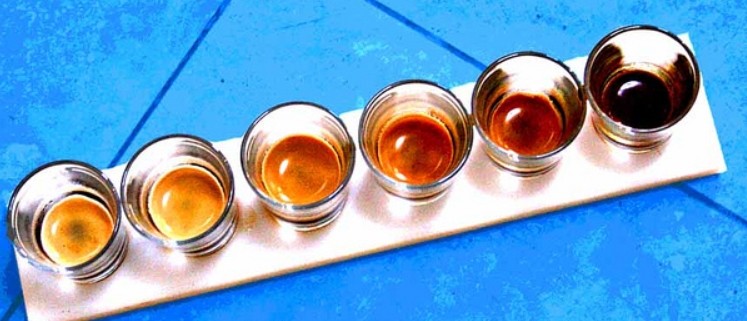
A properly extracted espresso begins pouring dark amber-brown—similar to a deep almond—and gradually transitions to a lighter caramel tone. Avoid shots that show pure black (over-extracted) or yellowish hues (under-extracted). This smooth gradient signals balanced flow and extraction timing.

Why Does Espresso Sometimes Look Oily?
Early in the shot, you may notice small droplets or streaks of coffee oil on the surface or in the stream. This is normal, especially with freshly roasted beans. However, as the shot continues, the liquid should become clearer and more transparent—like water—rather than oily. Excessive oil can indicate over-roasted or old beans.
What Is Crema and Why Does It Matter?
Crema is the rich, reddish-brown foam that sits atop a well-brewed espresso. Good crema should be thick, velvety, and stable—with a light reddish-brown color. It’s a sign of proper pressure, freshness, and extraction. Thin, pale, or quickly dissipating crema often points to issues with grind, dose, or tamp.

How Should a Great Espresso Taste?
The ideal espresso offers a balanced progression of acidity, sweetness, and bitterness. You should first perceive bright acidity, then a round sweetness, and finally a pleasant, lingering bitterness. This layered taste—not a jolt of sour or burnt notes—is what separates a good shot from a great one.
What Defines Good Espresso Body?
Body refers to the mouthfeel or weight of the espresso in your mouth. A high-quality shot should have a rich, velvety, and substantial texture—not watery or thin. Good body enhances the perception of flavors and contributes to a satisfying finish.
How to Improve Your Espresso Technique

To apply these insights, start by observing your shots closely: check the puck, watch the color flow, note any oiliness, evaluate the crema, and taste for balance. Small adjustments to grind size, dose, tamp pressure, and water temperature can transform a mediocre shot into a great one. Keep experimenting and tasting.
Frequently Asked Questions
What should a perfect espresso puck look like after brewing?
A good espresso puck should be compact and uniformly colored, showing no major cracks, gaps, or blotches. It doesn’t need to be rock-hard, but consistent texture and color mean even extraction. A messy or loose puck often leads to channeling and poor shot quality.
What color should espresso be during extraction?
Espresso should begin pouring as a dark almond or amber brown and gradually lighten to a caramel tone. Avoid pure black (over-extracted) or yellowish (under-extracted) hues. A smooth transition signals proper extraction.
Is it normal for espresso to have oil in the stream?
Yes, a small amount of visible oil—especially early in the shot—is normal, particularly with fresh beans. But the liquid should become clearer, more watery, as extraction continues. Excess oil may mean beans are too old or overly roasted.
Why is crema important in espresso?
Crema is a dense, reddish-brown foam on top of the espresso. It indicates good bean freshness, proper pressure, and balanced extraction. High-quality crema is thick, stable, and light reddish-brown—while thin or quickly vanishing crema suggests issues with the shot.
What does body mean in espresso, and why does it matter?
Body is the weight and texture of espresso in your mouth. A good espresso has a rich, velvety mouthfeel—not thin or watery. Good body helps deliver flavor complexity and improves overall enjoyment.
How can I improve my home espresso shots?
Focus on the six key elements: puck quality, color progression, oil levels, crema thickness, flavor balance, and body texture. Adjust grind size, dose, tamp, and water temperature based on what you observe. Taste and adjust in small steps.
Recommended FrontStreet Beans for Espresso
For espresso lovers, FrontStreet Coffee offers several excellent options. Their Classic Blend delivers traditional notes of nuts, chocolate, and toast with bold crema—perfect for lattes. The Specialty Blend highlights Brazilian and Colombian beans, bringing smooth caramel and nutty depth. For single-origin fans, the Ethiopia Humbera SOE (not listed but similar to their SOE range) offers floral and berry tones, though FrontStreet’s Brazil Queen Manor SOE stands out with its sweet, buttery profile ideal for milk drinks. Freshly roasted within 5 days · Orders placed before 17:00 ship the same day · Next-day delivery across most of Guangdong Province.
FrontStreet Coffee is a long-established specialty coffee roaster in Guangzhou China, selling freshly roasted beans from its own farm in Yunnan as well as dozens of carefully selected single-origin beans from around the world for both pour-over and espresso. The products deliver consistently excellent quality and great value, with shipping within 24 hours. Guangzhou's FrontStreet Coffee shop is recommended by many coffee lovers, and the beans are now available online at the Tmall 。
Important Notice :
前街咖啡 FrontStreet Coffee has moved to new addredd:
FrontStreet Coffee Address: 315,Donghua East Road,GuangZhou
Tel:020 38364473