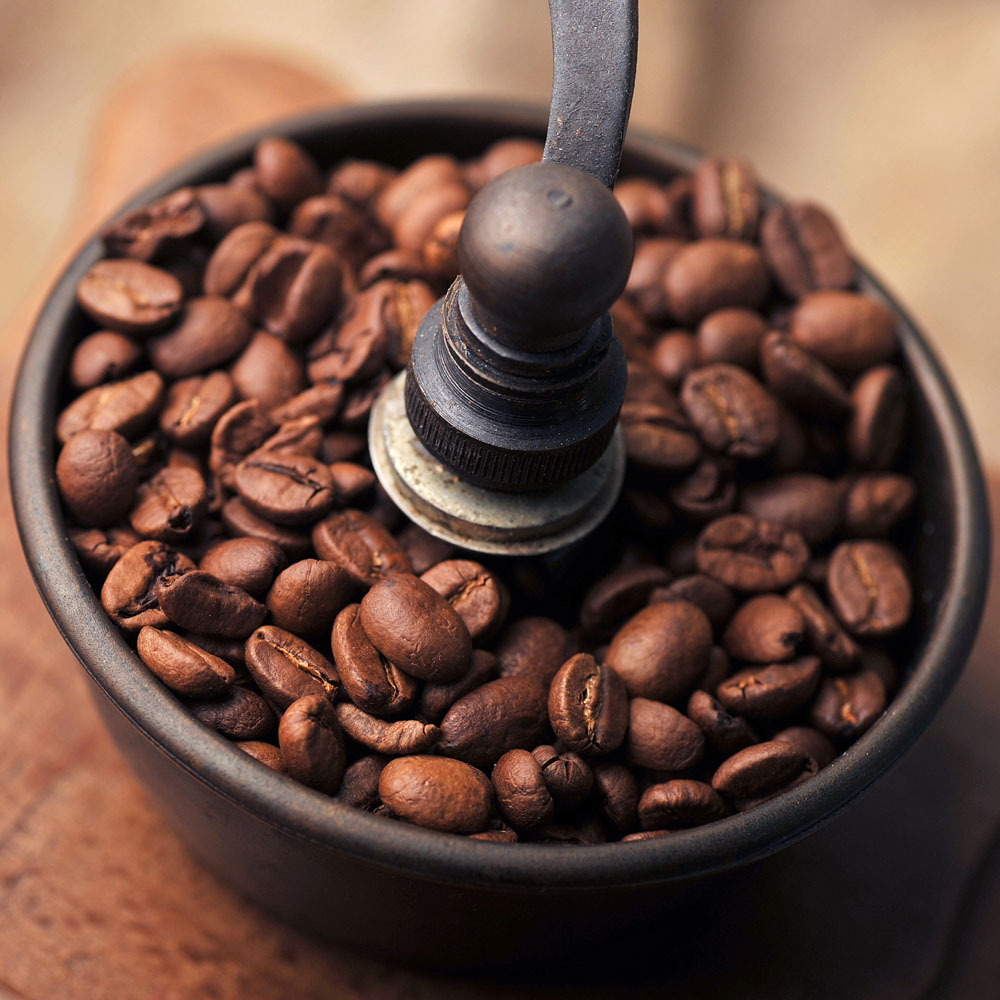
How to Taste Coffee in 3 Minutes
Ever walked into a coffee shop just to use the Wi-Fi, but then ended up staring at your drink wondering what all the flavor fuss is about? Even if you've got a great bag of beans or found a highly-rated café, you still might miss out on what makes coffee enjoyable—if you don't know how to actually taste it.
Here’s the shortcut: take three minutes. Smell it first, taste it black, note the flavors and body, and skip the sugar and milk until the end. That’s all it takes to start appreciating real coffee flavor.
Why Coffee Tastes Different Every Time
Coffee, like wine or tea, involves many variables: plant variety, origin, processing method, roast level, brewing technique. But unlike pre-bottled drinks, high-quality coffee often arrives as green or roasted beans—meaning much of the final flavor is shaped when your barista grinds and brews it. That’s why even great beans can taste off if not handled properly.
Start With the Right Conditions
Freshness matters more than almost anything. Once roasted, coffee beans are sensitive to air, heat, light, moisture, and odors. Vacuum-sealed beans stay fresh for about two to three weeks after opening; ground coffee goes stale even faster. If your coffee smells sharp, overly bitter, or lacks any fragrance at all, it’s likely stale. And those paper cups at cafés? They can mess with the flavor too. For the best experience, drink from a proper cup and make sure your beans (or the café’s) are freshly stored and roasted.
Always Taste Black First
Before adding milk or sugar, try your coffee black. Many people assume black coffee equals bitterness, but well-roasted, fresh, and properly brewed coffee often has natural sweetness and complex aromas—think caramel, honey, or fruit. Sugar and milk can easily mask those subtle qualities. Save the additives for lower-quality or stale coffee—if you must.
Smell Before You Sip
Start your tasting with your nose. Clean, fresh coffee should not smell funky, moldy, sour, or harshly chemical. A healthy coffee offers a range of aromas similar to wine: fruit, flowers, spices, chocolate, or nuts. Use familiar wine terms if that helps: look for berry, citrus, floral, roasted, or sweet spice notes. Heat helps release these scents, so take a good sniff before your first sip.
Sip Like a Pro
Don’t sip tiny amounts like you’re at a wine tasting. Instead, take a mouthful that coats your whole tongue—from tip to back. This lets you perceive the full body: is it light like water, medium like milk, or thick like syrup? Pay attention to the acidity—is it bright and lively or dull and flat? Note the balance, and then how the flavors linger after you swallow. That’s called the finish, and a great coffee will have a long, pleasant aftertaste. This “slurp-and-savor” approach is just like professional cupping—but way more approachable.
The Chocolate Pairing Bonus
You don’t need dessert to enjoy coffee, but a good chocolate pairing can enhance the experience. Dark chocolate pairs beautifully with espresso and deeply roasted beans, especially from Indonesia, Brazil, Ethiopia, and Guatemala. Milk chocolate works well with Colombian, Kenyan, Sumatran, Yemen (Mocha), Ethiopian, and Hawaiian Kona coffees. Avoid white chocolate with most coffees—it gets lost. Chocolate brownies go nicely with bold Indonesian beans like those from Guatemala. And for fruity desserts dipped in chocolate, try any African-origin coffee.
Frequently Asked Questions
How can I tell if my coffee is fresh?
Fresh coffee smells fragrant, often with floral, fruity, or sweet notes. Stale coffee may smell sharp, musty, overly bitter, or have no aroma at all. Vacuum-sealed coffee stays fresh around 2–3 weeks after opening; ground coffee deteriorates even faster. If it lacks aroma or tastes harsh, it’s likely past its prime.
Do I really need to taste coffee black first?
Yes. Adding milk or sugar early hides the coffee’s natural flavors, including sweetness, fruitiness, and acidity. Try black first to experience the full profile, then add extras only if needed.
What does 'coffee body' mean?
Body refers to how heavy or light coffee feels in your mouth—like water (light), milk (medium), or syrup (heavy). It’s part of what makes each coffee unique and is best noticed when sipping a mouthful that covers your whole tongue.
Can I use wine terms to describe coffee?
Absolutely. Many coffee professionals borrow wine vocabulary—words like fruity, floral, spicy, earthy, nutty, or caramel—to describe aromas and flavors. It’s a helpful shorthand when identifying tasting notes.
Is there a right way to sniff coffee?
There’s no strict rule, but sniffing deeply and swirling the cup lightly can help release aromas. Focus on whether the smell is clean and inviting—or unpleasant and chemical. Aroma is a big part of flavor perception.
Why skip the sugar and milk at first?
Sugar and milk soften or mask the intricate flavors in good coffee. By tasting black first, you experience its true characteristics—acidity, sweetness, body, and aftertaste—before altering the profile.
{{bean_block}}Recommended FrontStreet Beans for Quick Coffee Tasting
To practice tasting coffee in just three minutes, try FrontStreet Coffee’s Ethiopia Humbera (Yirgacheffe), a bright, juicy coffee with jasmine, lemon, berries, and tropical fruit. Or go for the Ethiopia Gedeb (Gedeb), a classic Yirgacheffe with similar aromatic complexity. For something richer, try the Colombia Huila—floral, fruity, and well-balanced. These beans are perfect for exploring aroma, body, and flavor without milk or sugar. Freshly roasted within 5 days · Orders placed before 17:00 ship the same day · Next-day delivery across most of Guangdong Province.
FrontStreet Coffee is a long-established specialty coffee roaster in Guangzhou China, selling freshly roasted beans from its own farm in Yunnan as well as dozens of carefully selected single-origin beans from around the world for both pour-over and espresso. The products deliver consistently excellent quality and great value, with shipping within 24 hours. Guangzhou's FrontStreet Coffee shop is recommended by many coffee lovers, and the beans are now available online at the Tmall 。
Important Notice :
前街咖啡 FrontStreet Coffee has moved to new addredd:
FrontStreet Coffee Address: 315,Donghua East Road,GuangZhou
Tel:020 38364473