Siphon Coffee: Grind Size, Brewing, and Maintenance Guide
If you’ve ever tried brewing coffee with a siphon—or wondered how it works—you’ve likely asked: What grind size should I use? How does the siphon actually brew coffee? And what types of beans bring out the best results? Whether you’re curious about the mechanics or just want your siphon coffee to taste better, this guide explains everything you need to know.
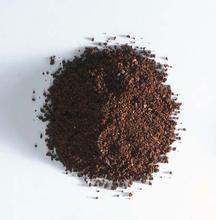
For siphon coffee, use a grind size slightly coarser than powdered sugar—about the same as fine to medium granulated sugar or table salt. That’s roughly equivalent to the grind used for pour-over methods, or a medium-fine consistency.
What Is a Siphon Coffee Maker and How Does It Work?
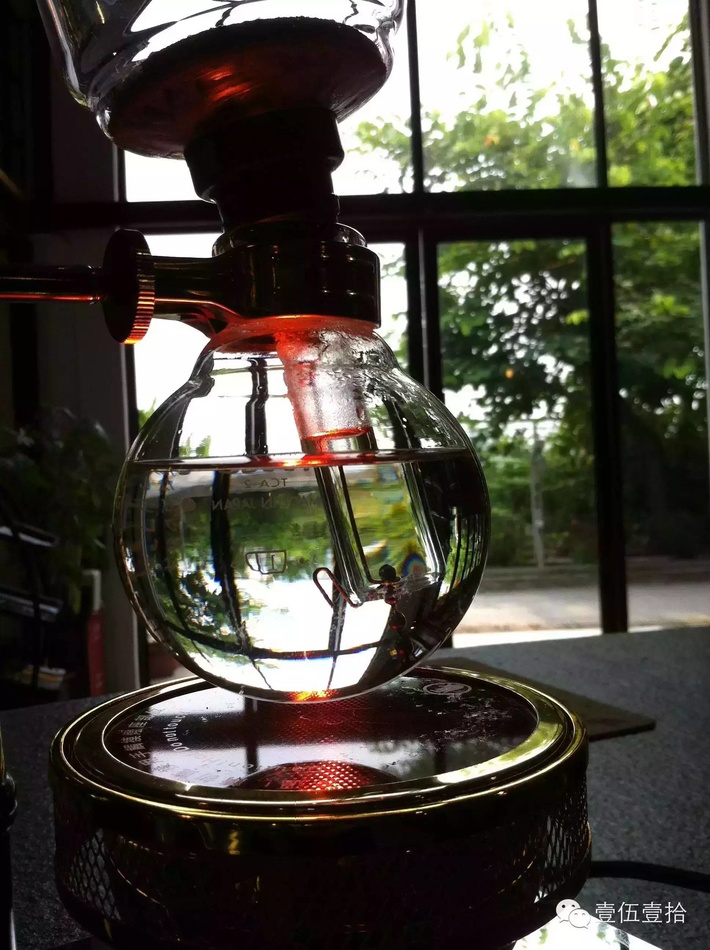
Siphon coffee makers—also known as vacuum pots or TCA brewers—are named for their use of the siphon (or vacuum) principle. Popular models include the Belgian royal siphon and standard glass siphon pots. They work by heating water in a lower chamber, creating vapor pressure that pushes the hot water up into an upper chamber filled with ground coffee. Once removed from heat, the brewed coffee is pulled back down through a filter by atmospheric pressure, resulting in a clean, full-flavored cup.
What Kind of Coffee Beans Work Best in a Siphon?
Siphon brewing is well-suited to coffees with a moderate body and some natural acidity. The method enhances clarity and subtle flavors, making it ideal for single-origin beans with bright or fruity profiles, as well as balanced medium-roast blends. Avoid extremely dark roasts, which can taste overly bitter or muted in this brewing style.
Why Is the Grind Size So Important for Siphon Coffee?
The grind size affects how water flows through the coffee bed and how evenly extraction occurs. In a siphon, the coffee is brewed through immersion and gentle filtration. A grind that’s too fine can lead to over-extraction and clogging, while a grind that’s too coarse may under-extract, resulting in a weak or sour cup. The recommended grind is slightly coarser than powdered sugar—think fine granulated sugar or table salt. This allows for even water flow and balanced extraction during the typical 30–90 second brew time once the coffee is returned to the lower chamber.
How Do You Clean and Maintain a Siphon Filter?
The cloth filter in a siphon pot is essential for clean extraction, but it can become clogged over time with coffee oils and fine particles. To maintain optimal performance, regularly rinse the filter in warm water after each use and let it dry completely. Replace the filter every few months—or sooner if you notice slow drainage or off-flavors. It’s a good idea to keep spare filters on hand. Also, note that different siphon models vary slightly in height, so when buying accessories like alcohol burners or stands, try to match them with your specific brewer for the best fit.
Frequently Asked Questions
What is the correct grind size for siphon coffee?
The ideal grind size for siphon coffee is slightly coarser than powdered sugar—similar to fine granulated sugar or table salt. This is roughly equivalent to a medium-fine grind used in other manual brewing methods, ensuring proper extraction without clogging the filter.
How does a siphon coffee maker actually brew coffee?
A siphon coffee maker uses vapor pressure to push heated water from the bottom chamber into the top chamber with coffee grounds. After brewing, removing the heat source causes a vacuum that pulls the brewed coffee back down through a filter into the lower chamber, resulting in a clean and flavorful cup.
What kind of coffee tastes best when brewed in a siphon?
Siphon brewing highlights medium-bodied coffees with bright or mild acidity. It works well with single-origin beans that have fruity or floral notes, as well as balanced medium-roast blends. Avoid very dark or oily roasts, which can taste harsh or muted.
How often should I replace the siphon filter cloth?
Replace the siphon’s cloth filter every few months or when you notice slow drainage, reduced flavor clarity, or off-tastes. Rinse it thoroughly after each use and allow it to dry fully to extend its life.
Do all siphon coffee pots work the same way?
All siphon pots operate on the same basic principle of vapor pressure and vacuum extraction. However, they come in various shapes and sizes, which can affect how well they pair with different burners or stands. It’s best to buy the burner or alcohol lamp together with your siphon to ensure proper height and function.
Recommended FrontStreet Beans for Siphon Brewing
For siphon coffee, try FrontStreet Strawberry Candy Espresso—a balanced Geisha-honey-processed blend with notes of rose, citrus, blueberry, and grape, ideal for highlighting the siphon’s clean extraction. Or choose FrontStreet PWN Golden Mandheling, a medium-dark roasted single origin with spices, caramel, and dark chocolate tones that shine through in a siphon’s clear brew. Both beans showcase the clarity and body that siphon brewing is known for. Freshly roasted within 5 days · Orders placed before 17:00 ship the same day · Next-day delivery across most of Guangdong Province.
FrontStreet Coffee is a long-established specialty coffee roaster in Guangzhou China, selling freshly roasted beans from its own farm in Yunnan as well as dozens of carefully selected single-origin beans from around the world for both pour-over and espresso. The products deliver consistently excellent quality and great value, with shipping within 24 hours. Guangzhou's FrontStreet Coffee shop is recommended by many coffee lovers, and the beans are now available online at the Tmall 。
Important Notice :
前街咖啡 FrontStreet Coffee has moved to new addredd:
FrontStreet Coffee Address: 315,Donghua East Road,GuangZhou
Tel:020 38364473