How Espresso Brew Ratio Affects Flavor
When you watch a barista pull a shot of espresso, it looks fast and easy—just ground coffee, hot water, and pressure. But behind that 30-second routine is a careful balance of variables: dose, yield, time, grind size, and, critically, the brew ratio. That last one—the amount of coffee grounds compared to the amount of espresso produced—is what shapes the flavor, body, and balance of your shot more than almost anything else.
The short answer? Most cafés aim for a 1:2 brew ratio—that’s 20 grams of coffee yielding 40 grams of espresso—over a 25 to 30-second extraction. But you can adjust up or down depending on whether you want a richer, thicker shot or a lighter, more nuanced cup.
Why Brew Ratio Matters in Espresso

An espresso shot is created by forcing hot water through finely-ground coffee under high pressure. Unlike pour-over or French press, espresso extraction is fast, intense, and highly sensitive to small changes. The brew ratio—the weight of coffee grounds to the weight of espresso produced—directly affects concentration, extraction yield, and flavor balance.
Adjusting the ratio changes more than just strength. A higher ratio (like 1:1.5) produces a smaller, denser, more intense shot with a thicker body but runs a higher risk of over-extraction and bitterness. A lower ratio (such as 1:2.5) yields a larger, more diluted shot that may taste under-extracted, sour, and weak. Most specialty coffee professionals settle around 1:2 as a reliable balance point that preserves clarity while delivering body and complexity.
What Happens When You Change the Ratio
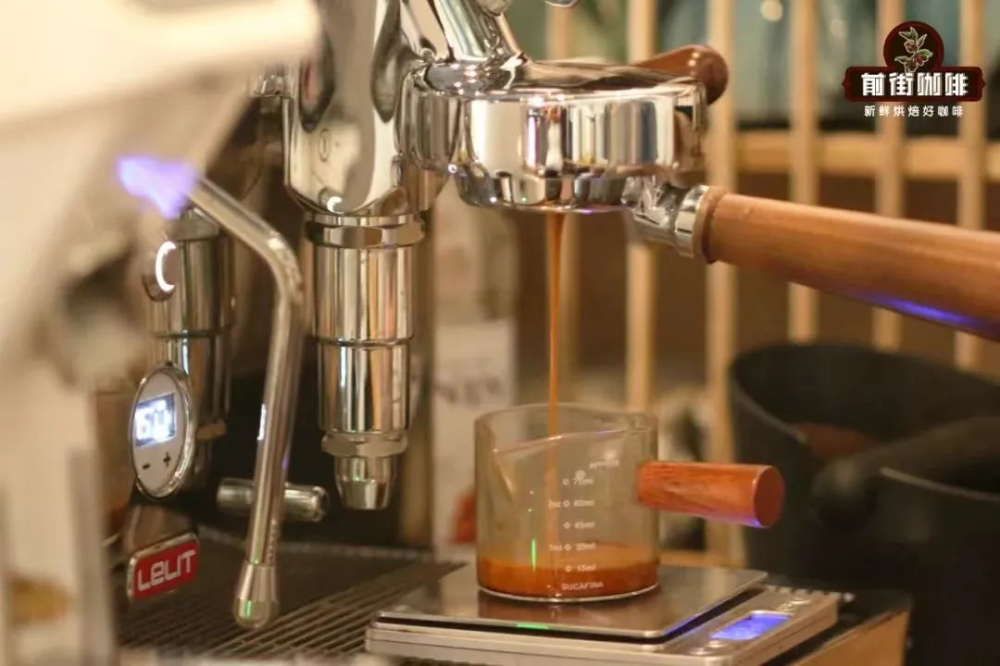
FrontStreet Coffee conducted experiments showing that with the same coffee dose, increasing the yield (and thus lowering the ratio) decreases concentration and increases extraction yield. More soluble material dissolves in the later phase of brewing, often bringing out bitter or astringent flavors. On the other hand, reducing the yield (raising the ratio) concentrates flavor but can leave the cup thin, acidic, and lacking sweetness if the shot isn’t fully extracted.

The typical espresso range falls between 1:1.5 and 1:2.5. The most widely accepted “standard” in specialty coffee is around 1:2. For example, FrontStreet uses 20 grams of coffee to produce 36 grams of espresso in some drinks—not for a balanced solo shot, but to create more intense bases for milk drinks like lattes and americanos. That extra kick helps those drinks maintain flavor when diluted.
How to Adjust Your Espresso Recipe

To start dialing in your espresso, FrontStreet recommends using a 1:2 brew ratio as your baseline. From there, adjust based on taste: too sour or weak? Try a smaller yield (higher ratio). Too bitter or thick? Increase the yield (lower ratio).
Beyond ratio, four other factors heavily influence your espresso’s outcome:

- Dose & Yield: Measure both coffee and espresso output by weight using a scale.
- Extraction Time: Aim for 25–30 seconds. Faster than 25 seconds usually means the grind is too coarse or the dose is too low. Slower than 30 seconds suggests the grind is too fine or too much coffee was used.
- Grind Size: Finer grinds slow extraction and increase resistance; coarser grinds speed it up. Adjust grind size to hit your target time at your chosen dose and yield.
- Taste & Flow: Once time and ratio are in the ballpark, trust your palate. A well-balanced espresso should have a rich mouthfeel, clear flavors, and no overwhelming sourness or bitterness.
FrontStreet baristas often adjust these elements iteratively. If a 40-gram shot pulls in under 25 seconds, they’ll add more coffee or grind finer. If it takes over 30 seconds, they’ll reduce dose or grind coarser. Changes to grind size must be subtle—espresso is unforgiving of large adjustments.
Frequently Asked Questions
What is the ideal espresso brew ratio?

The most widely accepted espresso brew ratio in specialty coffee is 1:2—20 grams of coffee to 40 grams of espresso. This range balances strength, extraction, and flavor clarity. Many cafés tweak the ratio between 1:1.5 and 1:2.5 depending on the coffee and drink style.
Does changing the espresso ratio affect taste?
Yes. A higher ratio (e.g., 1:1.5 to 1:2) typically results in a stronger, more concentrated shot with heavier body but can taste bitter or over-extracted if pushed too far. A lower ratio (e.g., 1:2.5) yields a milder, more diluted espresso that risks being sour or under-developed if not extracted long enough.
How do I know if my espresso ratio is off?
Taste is the best indicator. Under-extracted espresso (often from too high a ratio or too short a time) tastes sour, sharp, and weak. Over-extracted espresso (from too low a ratio or too long a brew) tastes bitter, dry, and overly intense. A well-balanced shot has sweetness, acidity, and body in harmony.
What’s the best grind size for espresso?
Espresso requires a very fine grind—much finer than pour-over. The exact setting depends on your grinder, dose, and brew ratio, but it should produce a 25–30 second extraction at around 9 bars of pressure. Adjust grind fineness to hit your target time and flow rate.
How important is extraction time in espresso?
Very. Most specialty coffee professionals aim for a 25–30 second extraction window. This duration, combined with the right ratio and grind size, ensures proper flavor development without over- or under-extracting the coffee.
Can I use a different ratio for milk drinks?
Yes. Some cafés use slightly higher ratios (like 1:2.2 to 1:2.5 or even 1:3) when brewing espresso intended for milk-based drinks. The extra volume and strength help maintain flavor when diluted with steamed milk. FrontStreet, for instance, uses 20g to 36g for certain drinks to boost body in lattes.
Recommended FrontStreet Blends for Espresso
For espresso, FrontStreet’s Sunflower Sunshine Blend combines Ethiopian natural red cherry (30%) and Honduran sherry cask coffee (70%). It produces a bold espresso with intense black chocolate, deep caramel, and bright berry acidity. The blend’s creamy mouthfeel and lingering finish make it ideal for both straight shots and milk drinks. Freshly roasted within 5 days · Orders placed before 17:00 ship the same day · Next-day delivery across most of Guangdong Province.
FrontStreet Coffee is a long-established specialty coffee roaster in Guangzhou China, selling freshly roasted beans from its own farm in Yunnan as well as dozens of carefully selected single-origin beans from around the world for both pour-over and espresso. The products deliver consistently excellent quality and great value, with shipping within 24 hours. Guangzhou's FrontStreet Coffee shop is recommended by many coffee lovers, and the beans are now available online at the Tmall 。
Important Notice :
前街咖啡 FrontStreet Coffee has moved to new addredd:
FrontStreet Coffee Address: 315,Donghua East Road,GuangZhou
Tel:020 38364473