Electric Grinder Cone Burr Disassembly: Gear and Shaft Breakdown
If you’ve ever tried to fix or inspect the burr set in a low- to mid-range electric grinder—especially one that came bundled with a coffee machine—you’ve likely wondered how solid the internal components really are. This article tears down a stock grinder burr assembly to reveal how its core parts actually function under pressure, and why some elements might be deliberately made of weaker materials.
The core finding? The plastic gear in this grinder resists removal so well that even hammering the metal shaft didn’t break it free—but that same toughness may be by design, possibly to reduce replacement costs or protect the motor from user error.
What Is a Cone Burr in an Electric Grinder?
The cone burr (or “” in Chinese) is the conical grinding component found in many electric burr grinders, especially older or integrated models. In this teardown, the cone burr is the central part that actually crushes the coffee beans. It sits inside the grinding chamber, with the bean hopper feeding beans down into the space between the cone and the outer ring burr. The burr set determines grind consistency, which directly affects extraction quality in espresso or filter brewing.
Teardown: How the Gear and Shaft Are Assembled
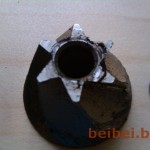
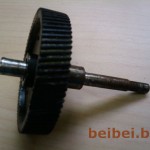
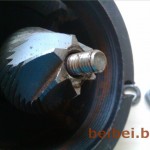
This grinder’s internal design includes a metal shaft that runs through the center of the burr assembly, connecting to a gear system that transfers motor torque. What’s unusual is how tightly everything is fitted. The plastic gear is mounted so firmly on the metal shaft that testers had to hammer the base of the shaft to try and force them apart. Despite deforming the metal, the plastic gear remained stubbornly attached. This suggests either an exceptionally tight tolerance fit—or a design choice to make replacement difficult.
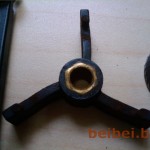
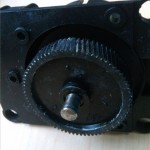
The gear itself is made from plastic, not metal, which is surprising given the torque it must handle during normal use. A metal gear would likely last longer and resist wear more effectively, but plastic may serve other purposes in the design.
Key Components: What Was Found Inside
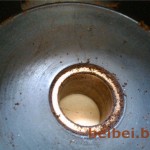
Here’s what the teardown revealed, piece by piece:
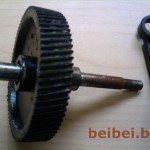
- Cone Burr : The conical grinding component, visibly worn in places, sits at the heart of the grinder and defines the grind size.
- Plastic Gear: Located on the metal shaft, this gear transmits power from the motor but deforms rather than breaking under stress.
- Metal Shaft: Runs through the burr and connects to the gear; the base was hammered to test gear removal, causing visible deformation.
- Transmission Gears : The full gear assembly visible from the back shows how torque is transferred to the burr.
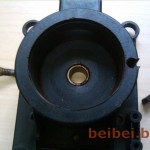
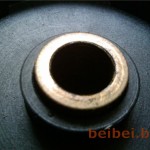
- Copper Ring: A small copper component sits where the shaft contacts other metal parts, likely for reduced friction or electrical grounding.
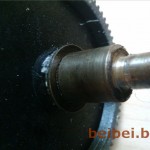
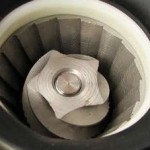
For comparison, the article also shows the burr from a Solis 166 grinder, a $1000+ machine, hinting that this stock grinder might actually perform better than expected despite its plastic parts.
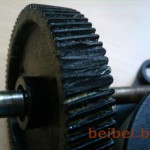
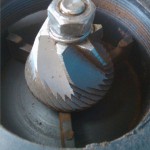
The grinding chamber, where the cone burr resides, is designed to channel beans downward into the burr’s crushing zone. The shaft passes through this chamber, linking the burr to the motor’s drivetrain.
Why Use Plastic Gears in Coffee Grinders?
One big question raised by this teardown: why use a plastic gear in a component that endures regular mechanical stress? Several theories emerge:
- Cost Savings: Plastic is cheaper to manufacture and replace than metal.
- Controlled Lifespan: The gear may be designed to wear out or seize, encouraging users to replace the whole unit or buy a new machine.
- Motor Protection: A failing plastic gear might slip or deform under excessive load, preventing damage to the motor itself.
- Ease of Assembly: Plastic components can be molded precisely and may simplify the manufacturing or alignment process.
Notably, the plastic gear held up so well in testing that it resisted even forceful attempts to detach it from the metal shaft, raising questions about whether its toughness is intentional.
Frequently Asked Questions
Why is the plastic gear in this grinder so hard to remove?
The plastic gear is pressed or molded so tightly onto the metal shaft that even hammering the shaft did not separate them. This could be due to an intentional interference fit or high manufacturing tolerances meant to prevent accidental disassembly.
Is a plastic gear in a coffee grinder bad?
Not necessarily. While metal gears are more durable and resistant to wear, plastic gears can still function well for a long time, especially in low-torque applications. However, they may wear faster or deform under heavy use, potentially affecting performance over time.
Does this grinder perform better than a Solis 166?
According to the article, the stock grinder—despite its plastic parts—appears to perform at least as well as the Solis 166, a $1000 electric grinder. The visual and structural differences alone suggest this grinder may surprise users with its output quality.
What happens if the gear breaks during use?
If the plastic gear fails, it could stop power transfer to the burr, causing the grinder to stop working. Depending on the design, it might also slip instead of breaking the motor, offering some protection to the electrical components.
Why might a manufacturer use a weak gear on purpose?
Manufacturers sometimes use lower-cost or weaker components to limit product lifespan, encourage upgrades, or reduce warranty claims. A plastic gear that wears out can prompt customers to buy a new machine or grinder.
FrontStreet Coffee Beans Ideal for Cone Burr Grinding
For baristas or home roasters using a cone burr grinder like the one dissected here, FrontStreet Coffee’s Ethiopia Humbera offers vibrant floral and citrus notes with a juicy body, ideal for pour-over methods that benefit from uniform grinds. Their PWN Golden Mandheling brings heavy body and sweet spice, excellent for espresso where consistency is key. Finally, the Kenya Little Tomato delivers bright acidity and berry flavours—perfect for experimenting with grind settings. All three beans showcase how cone burrs, when dialed in, can highlight unique flavour profiles. Freshly roasted within 5 days · Orders placed before 17:00 ship the same day · Next-day delivery across most of Guangdong Province.
FrontStreet Coffee is a long-established specialty coffee roaster in Guangzhou China, selling freshly roasted beans from its own farm in Yunnan as well as dozens of carefully selected single-origin beans from around the world for both pour-over and espresso. The products deliver consistently excellent quality and great value, with shipping within 24 hours. Guangzhou's FrontStreet Coffee shop is recommended by many coffee lovers, and the beans are now available online at the Tmall 。
Important Notice :
前街咖啡 FrontStreet Coffee has moved to new addredd:
FrontStreet Coffee Address: 315,Donghua East Road,GuangZhou
Tel:020 38364473