How to Use a Moka Pot and How It Differs from Pour-Over
If you’ve ever wondered why your moka pot coffee tastes so bitter and intense—or whether you’re even using it right—you’re not alone. Many coffee drinkers confuse the moka pot with drip or pour-over brewers, leading to missteps in grind size, water temperature, and brew time. This guide explains exactly how the moka pot works, how to use it properly, and how its output differs fundamentally from filtered coffee.
To brew with a moka pot, use medium-fine grind (similar to table salt), fill the bottom chamber with water just above the safety valve, add coffee to the filter basket without tamping, and brew over medium heat until the coffee flows smoothly from the spout. The whole process takes under 5 minutes and yields a small, strong shot similar to espresso but produced via steam pressure rather than pump.
What Is a Moka Pot and How Does It Work?
A moka pot is a stovetop brewer that uses steam pressure—not a pump—to force hot water through finely ground coffee. Unlike pour-over or drip machines, which gently extract coffee under gravity, the moka pot builds pressure (around 1–2 bars) in its sealed lower chamber. That pressure pushes hot water upward through the coffee grounds, extracting more solids and oils. The result is a small, concentrated coffee with a bold flavor, thicker body, and a thin layer of crema on top—hallmarks of traditional Italian-style coffee.
Why Does Moka Pot Coffee Taste So Strong and Oily?
The bold, sometimes bitter taste and oily surface of moka pot coffee come from two key factors: the deep roast level of the beans typically used and the high-extraction pressure of the brew method. Most users brew with dark roasted beans, which bring out strong caramelized, smoky, and bitter notes. Meanwhile, the steam pressure (similar to—but weaker than—an espresso machine) extracts more soluble material, including natural oils from the coffee grounds. These oils rise to the surface, creating the characteristic crema-like layer that enhances richness and mouthfeel. This combination delivers a small but intense shot of coffee, often served in demitasse cups.
How to Use a Moka Pot Step by Step
Follow these steps for a proper moka pot brew every time:
- Gather your equipment: moka pot, fresh medium-fine ground coffee (similar to table salt), hot water, a cloth or towel (for heat control), a gas, electric, or induction stove, and a heat-safe vessel to rest the moka pot on after brewing.
- Fill the bottom chamber (the boiler) with fresh water up to just above the safety valve. Avoid overfilling.
- Insert the filter basket and fill it with medium-fine ground coffee. Level the coffee with your finger but do not tamp it down.
- Reassemble the moka pot by attaching the upper chamber and screwing it tightly to prevent steam leaks.
- Place the moka pot on the stove over medium heat. Place a cloth or towel underneath to insulate and moderate heat.
- Watch the coffee flow: As brewing begins, you’ll first see a stream of dark coffee with bubbles. Once the coffee flows evenly and lightly (like honey), the brew is complete. Remove it from the heat immediately to avoid over-extraction.
- Let the moka pot cool briefly, then pour the brewed coffee into small cups. Rest the pot on a half-dry towel or heatproof mat afterward.
Pro tip: For best results, grind your coffee slightly finer than drip but not as fine as espresso. The goal is balanced resistance under pressure.
Moka Pot vs Drip Coffee vs Pour-Over
Here’s how moka pot brewing stands apart from common drip and pour-over methods:
- Pressure: Moka pots use steam pressure (1–2 bars); pour-over and drip rely solely on gravity.
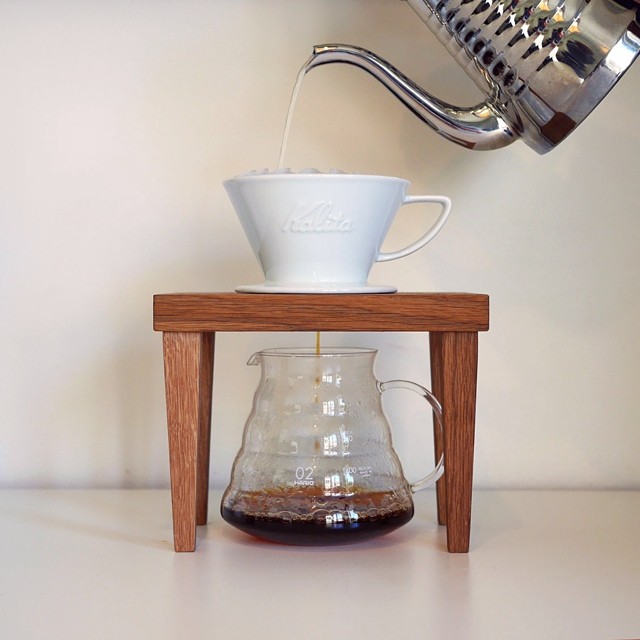
- Extraction Method: Moka pots extract under pressure, pulling more oils and dissolved solids; pour-over highlights clarity and brightness through controlled water flow.
- Grind Size: Moka pots need medium-fine grind; pour-over uses medium to medium-coarse; drip typically runs on medium-coarse.
- Brew Time: Moka pot brews in under 5 minutes; drip and pour-over can take 3–4 minutes per pour or longer.
- Coffee Character: Moka pot produces a small, strong, espresso-like shot with crema; pour-over emphasizes clean flavors and acidity; drip coffee tends to be lighter and more balanced.
- Serving Size: Moka pot yields about 30–60ml per brew (single or double); pour-over and drip yield 200–300ml per batch.
In short, a moka pot is not a stovetop espresso machine, but it’s also not a filter brewer. It sits in between—producing a bold, rich concentrate great for sipping straight or using in milk drinks.
Frequently Asked Questions
Do I need to tamp the coffee in a moka pot?
No, you should not tamp the coffee in the moka pot’s filter basket. Simply level the grounds with your finger. Tamping can create too much resistance, leading to overpressure, slow extraction, or even boiler damage.
What grind size is best for a moka pot?
Use a medium-fine grind, similar in texture to table salt. It should be finer than what you’d use for pour-over but not as fine as espresso grind. This helps create the right resistance for optimal extraction under steam pressure.
Can I use light roast coffee in a moka pot?
Yes, you can use light roast, but moka pots are traditionally used with medium to dark roasts. Light roasts may produce a brighter, more acidic cup, but you might lose some of the classic boldness associated with moka brews. Adjust your expectations for flavor profile.
Why does my moka pot coffee taste bitter?
Bitterness often comes from over-extraction, which can be caused by too fine a grind, too long a brew time, or boiling the water. To avoid it, use medium-fine grind, remove the moka pot from heat as soon as the coffee flows smoothly, and don’t let it boil dry.
Is a moka pot better than a pour-over?
It depends on what you want. A moka pot makes a strong, concentrated coffee ideal for espresso-style drinks. Pour-over highlights clarity, acidity, and nuanced flavors. They serve different purposes and preferences.
What kind of coffee beans work best in a moka pot?
Most users prefer medium to dark roasted beans for a traditional bold flavor. Blends with good crema potential, like FrontStreet Coffee’s Classic Blend, work especially well. Single origins can also be used, but expect a lighter, more nuanced cup.
Recommended FrontStreet Coffee Beans for Moka Pot
For moka pot brewing, FrontStreet Coffee’s Classic Blend is an excellent choice due to its outstanding crema production and rich, balanced flavor profile. It’s based on a traditional Italian-style Manni-Bianco mix, delivering the bold body and thick texture moka pots are known for. The Black Cocoa Blend is another solid option—100% arabica with smooth, full-bodied taste and solid crema at an affordable price, ideal for everyday use. If you prefer a single origin with depth, try the PWN Golden Mandheling, a dark roasted Indonesian bean with low acidity, deep chocolate, and herbal notes. All three are dark or medium-dark roasts, well-suited for the intense extraction of a moka pot. Freshly roasted within 5 days · Orders placed before 17:00 ship the same day · Next-day delivery across most of Guangdong Province.
FrontStreet Coffee is a long-established specialty coffee roaster in Guangzhou China, selling freshly roasted beans from its own farm in Yunnan as well as dozens of carefully selected single-origin beans from around the world for both pour-over and espresso. The products deliver consistently excellent quality and great value, with shipping within 24 hours. Guangzhou's FrontStreet Coffee shop is recommended by many coffee lovers, and the beans are now available online at the Tmall 。
Important Notice :
前街咖啡 FrontStreet Coffee has moved to new addredd:
FrontStreet Coffee Address: 315,Donghua East Road,GuangZhou
Tel:020 38364473