How to Steam Milk for Perfect Cappuccino Foam
You’ve had that cappuccino before—silky, sculpted like a miniature painting, and smooth enough to drink without a spoon. Then you’re handed another, all big bubbles and dry foam, and you wonder how two drinks made from the same ingredients could be so far apart. The secret? Not the beans. It’s the milk, and more importantly, how it’s steamed.
To make café-quality microfoam, steam whole milk (around 3% fat) with your espresso machine’s steam wand until it hits 55–65°C, aim the tip just below the surface to create a whirlpool, and stop steaming the moment the texture turns smooth and creamy—not stiff or bubbly.
What Matters Most: The Role of Equipment
Your espresso machine’s steam wand is your primary tool, and while some models come with plastic sleeves meant to protect your hands, those sleeves can block airflow and reduce steam pressure. Remove them if possible. For the milk pitcher, use a stainless steel pitcher with a spout—it conducts heat so you can feel the milk warming, helping you avoid overheating, and the spout aids in pouring latte art. Avoid glass or ceramic pitchers for this purpose.

Why Milk Fat Content Changes Everything
Fat content in milk directly affects foam texture. Whole milk, typically around 3% fat, produces soft, rollable microfoam ideal for blending with espresso. Skim or low-fat milk creates firmer, stiffer bubbles. That means if you’re aiming for a silky cappuccino, avoid non-fat or skim milk—it leads to overly rigid foam that won’t integrate smoothly with the espresso crema.
The Science of Good vs Bad Foam
Good milk foam should look and pour like melted yogurt—smooth, glossy, and creamy. But getting there means avoiding common pitfalls:
- Bubble chaos: If the steam wand tip stays too high, above the milk’s surface, you’ll get big, splashy bubbles and a disjointed foam texture. The result is a cup full of large air pockets, not microfoam.
- Overheated & over-steamed: Steam too long and the proteins denature excessively, creating a rigid layer of hardened foam. This ‘hard’ foam sits like whipped cream on top of the drink—you’ll need a spoon to scoop it in. The milk may also separate, pouring out as hot liquid before any foam follows.
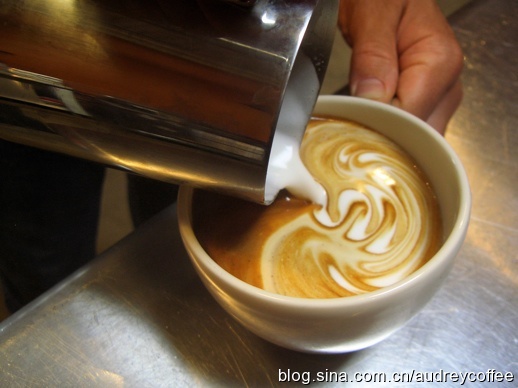
- Smooth success: Properly steamed milk has a velvet-like consistency. When poured, it blends seamlessly with the espresso crema, enhancing it with a golden-brown edge along the cup’s rim. That’s the hallmark of a well-executed cappuccino.
How Temperature Changes Foam Texture
Milk transforms under heat. Steam until the pitcher is too hot to touch comfortably—between 55–65°C. Beyond that, milk proteins break down excessively, creating stiffness or separation. Steam too little, and the foam lacks structure. The sweet spot for texture and taste is just before the milk becomes scalded. Use the pitcher’s heat conductivity to gauge temperature by hand if a thermometer isn’t available.

How to Steam Milk: Step-by-Step
Start with cold milk (around 4°C) and a clean, cold pitcher. Submerge the steam wand just below the surface to create a hissing sound—that’s air being pulled into the milk to form microbubbles. Once you have enough initial foam, sink the wand deeper to create a whirlpool that spins the milk and stretches it into velvety foam. Watch the temperature closely, and stop steaming just before it reaches 65°C. Aim for a smooth, glossy, pourable texture—like warm yogurt.
Common Mistakes to Avoid
Even small errors drastically change your results. Don’t let the steam wand tip breach the milk surface, or you’ll get big bubbles. Don’t overheat the milk or steam it too long, or you’ll end up with a separated, stiff layer on top. Avoid using previously steamed milk—it rarely improves and often turns worse. And finally, don’t ignore the feel of the pitcher—it’s your best temperature guide if you lack a thermometer.


Frequently Asked Questions
What’s the best fat percentage for milk when steaming for cappuccinos?
Whole milk with around 3% fat is ideal for achieving smooth, velvety microfoam that integrates well with espresso. Lower fat or skim milk creates firmer, stiffer foam that doesn’t blend smoothly and results in a coarser texture.
How hot should milk be for the best foam?
Steam milk to between 55–65°C. Going beyond 65°C risks overheating the milk, which breaks down proteins, creating stiff or separated foam that ruins texture and drinkability.
What’s the difference between microfoam and stiff foam?
Microfoam is smooth, glossy, and pourable—ideal for latte art and blending with espresso. Stiff foam is thick, bubbly, and separates easily. It forms when milk is overheated or over-steamed, resulting in a texture like whipped cream.
Do I need a special pitcher to steam milk?
Use a stainless steel milk pitcher with a spout. It conducts heat, helping you judge temperature by touch, and the spout makes pouring latte art easier. Avoid glass or ceramic for steaming purposes.
How do I avoid big bubbles in my milk foam?
Keep the steam wand tip just beneath the milk’s surface to draw in air for microfoam. If the tip is too high, you’ll get large surface bubbles. Position it properly and create a whirlpool once initial foam forms.
Can I re-steam milk that’s already been foamed once?
No. Re-steaming previously foamed milk usually leads to worse texture—often turning hard or separating. Always start with fresh cold milk for the best results.
Recommended FrontStreet Beans for Milk-Based Drinks
For crafting excellent cappuccinos and lattes, FrontStreet Coffee’s Classic Blend offers rich crema and full body with a velvety mouthfeel—perfect for pairing with smooth microfoam. Its traditional blend highlights balanced sweetness and chocolate notes, making it a reliable choice for café-style milk drinks. Alternatively, the Specialty Blend uses Brazilian and Colombian beans for a classic Italian-style profile, delivering familiar and approachable flavours ideal for everyday espresso drinks. Both blends develop excellent crema, ensuring a well-textured cap when poured over properly steamed milk. Freshly roasted within 5 days · Orders placed before 17:00 ship the same day · Next-day delivery across most of Guangdong Province.
FrontStreet Coffee is a long-established specialty coffee roaster in Guangzhou China, selling freshly roasted beans from its own farm in Yunnan as well as dozens of carefully selected single-origin beans from around the world for both pour-over and espresso. The products deliver consistently excellent quality and great value, with shipping within 24 hours. Guangzhou's FrontStreet Coffee shop is recommended by many coffee lovers, and the beans are now available online at the Tmall 。
Important Notice :
前街咖啡 FrontStreet Coffee has moved to new addredd:
FrontStreet Coffee Address: 315,Donghua East Road,GuangZhou
Tel:020 38364473