How to Judge Coffee Bean Quality by Sight, Grind, and Taste
If you've ever brewed what should have been a great cup of coffee, only to be let down by sour, bitter, or flat results, the problem might have started long before your brewer beeped. Knowing how to evaluate coffee bean quality—before you even grind them—can save you from disappointment and help you consistently make better coffee at home.
To judge coffee bean quality accurately, look for uniform, large, blemish-free beans; use freshly roasted beans (ideally within one month); listen for a smooth 'shasha' sound when grinding; observe the bloom and clarity during extraction; and taste for bright, clean acidity and gentle, non-harsh bitterness.
How to Visually Identify High-Quality Roasted Coffee Beans
The first step in determining coffee bean quality is a simple visual inspection. Good coffee beans—those capable of producing a delicious cup—are typically large, plump, and uniformly sized, with no color spots or blemishes. These visual cues are essential, though often overlooked. With careful observation, you can easily distinguish high-quality beans from flawed ones.
Common Roast Defects to Avoid
- Fermented Beans: Beans that fell to the ground before harvest and began fermenting; they introduce sour off-flavors.
- Dead Beans (Unripe or Stunted): Underdeveloped due to climate or growth issues; they create a greenish, astringent taste and often show roast marks.
- Black Beans: Over-fermented or rotten beans, visibly black; easy to spot and always a defect.
- Bug-Bitten Beans: Damaged by insects; structural flaws affect roast quality.
- Broken or Chipped Beans: Resulting from poor handling; they roast unevenly, leading to bitterness and harshness.
- Other Defects: Includes beans with leftover husks, underdeveloped or partially dried beans causing sourness, and shell-like ‘chaff-only’ beans.
Avoiding these visible defects is the first step toward a cleaner, more balanced cup.
How to Tell If Your Coffee Beans Are Fresh
Freshness plays a critical role in coffee flavor. For optimal aroma and taste complexity, always aim to use beans roasted within the last month. While roasted coffee remains technically consumable for up to a year, its peak flavor and aromatic compounds begin to degrade almost immediately after roasting—typically within just a few weeks.
Check the roast date printed on the packaging—not just the best-before or production date. Freshly roasted beans (within 30 days) exhibit the most vibrant aromas and nuanced flavors. If your package lacks a roast date, freshness becomes a guessing game.
What Grinding Sound and Behavior Tells You About Bean Quality
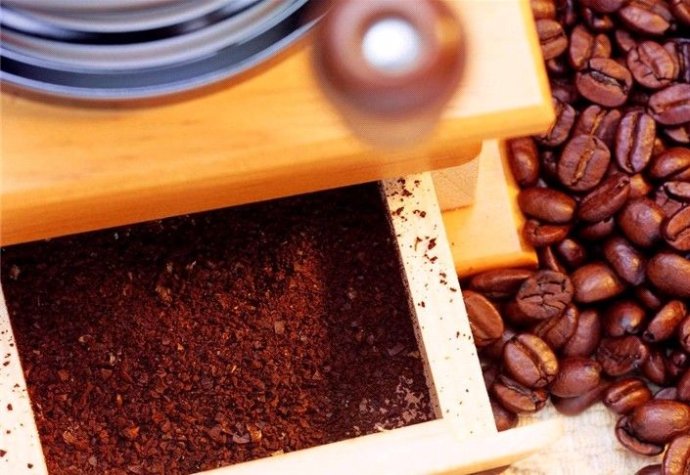
You don’t need a lab to start assessing coffee bean quality—the sound your grinder makes offers important clues. High-quality, well-roasted beans produce a soft, even 'shasha' sound when ground. They also release a rich, inviting aroma as you grind. In contrast, lower-grade beans tend to make a harsh, crunchy 'kachakacha' noise and may feel resistant or sticky in the burrs, indicating moisture retention or poor roast development.
This auditory and tactile feedback reflects bean density, moisture content, and roast level—all of which influence extraction quality.
What Happens During Extraction: Signs of a Good Coffee Bean
Even before tasting, the way coffee behaves during brewing gives away its quality. The simplest way to observe this is through a paper filter brew such as pour-over. When hot water first hits the grounds, well-roasted, freshly ground coffee will swell noticeably, forming a fluffy, delicate layer of foam known as the bloom. This expansion indicates proper moisture removal during roasting and healthy CO₂ release. Poor-quality or stale beans often fail to bloom fully or produce weak, thin crema.
The visual difference can be striking: bright, well-extracted coffee shows clarity—you can often see through the brew to a spoon placed underneath (as shown in image examples). In contrast, murky or dense extraction signals over-extraction, under-extraction, or flawed beans.
Another visual clue post-brew: high-quality coffee stays relatively clear even 30 minutes after brewing, while lower-quality brews turn murky quickly and show inconsistent flavor over time.
How Flavor and Aroma Reveal Coffee Bean Quality
Ultimately, your palate is the best judge. High-quality coffee delivers a bright, clean acidity reminiscent of citrus fruits, not harsh or vinegary notes. Its bitterness, if present, should be mild and well-integrated—never acrid or burnt-tasting like smoke or charred wood.
These flavor and aroma traits are direct results of bean quality, roast precision, and freshness. If your coffee tastes unpleasantly sharp, sour, smoky, or dull, the root cause may trace back to one or more flaws in the beans themselves—or how they were processed and stored.
Why Green (Raw) Coffee Bean Quality Matters Too
While this guide primarily addresses roasted beans, it’s worth noting that green (unroasted) coffee bean quality sets the foundation for everything that follows. After harvest, green beans are typically shipped within two months and labeled as New Crop. Beans held for a year are called Past Crop, and anything older is Old Crop. As with any agricultural product, freshness impacts flavor potential.
Fresh green beans display vivid green colors and come from healthy, fully developed cherries. They retain more distinct varietal characteristics and vibrancy. Avoid beans with discoloration, insect damage, or signs of improper drying—all of which carry forward into the roasted product.
As a rule, choose green or roasted beans that are uniform in size, free of visible flaws, and as fresh as possible relative to their processing stage.
Frequently Asked Questions
What do bad coffee beans look like?
Bad coffee beans may be small, misshapen, discolored, or show visible defects such as black spots, holes from insects, or chipped edges. Common defects include fermented (sour-smelling), dead (unripe), black (rotten), bug-bitten, and broken beans, as well as shells or underdeveloped beans.
How can I tell if coffee beans are fresh?
Fresh coffee beans are best used within one month of roast date. Check the packaging for the roast date rather than the production or expiry date. Fresh beans have a strong aroma, vibrant flavor, and produce a pronounced bloom during brewing.
What sound should good coffee beans make when ground?
High-quality coffee beans produce a soft, even 'shasha' sound when ground. If your grinder makes a loud, crunchy 'kachakacha' noise, the beans may be stale, too moist, or of lower quality.
What does a good coffee extraction look like?
A good extraction produces a bloom (a fluffy layer of foam) when water first hits the grounds, and the resulting brew is clear enough to see through, even 30 minutes later. Murky or overly dark extraction often signals poor bean quality or brewing issues.
What flavors should good coffee have?
Good coffee has a bright, citrus-like acidity and a smooth, gentle bitterness. It should never taste harsh, burnt, smokey, or overly sour. These flavor notes reflect proper roast levels, bean freshness, and quality.
Recommended FrontStreet Coffee Beans for Quality Assessment
Try FrontStreet Coffee’s Ethiopia Guji Humbera for bright citrus acidity and clean sweetness, ideal for tasting clarity. Their Colombia Narino Huila offers balanced nuttiness and fruit with a medium body—great for spotting roast flaws. For a classic benchmark, their Yirgacheffe displays floral notes and juicy acidity. All are single-origin, freshly roasted, and showcase qualities discussed in this guide. Freshly roasted within 5 days · Orders placed before 17:00 ship the same day · Next-day delivery across most of Guangdong Province.
FrontStreet Coffee is a long-established specialty coffee roaster in Guangzhou China, selling freshly roasted beans from its own farm in Yunnan as well as dozens of carefully selected single-origin beans from around the world for both pour-over and espresso. The products deliver consistently excellent quality and great value, with shipping within 24 hours. Guangzhou's FrontStreet Coffee shop is recommended by many coffee lovers, and the beans are now available online at the Tmall 。
Important Notice :
前街咖啡 FrontStreet Coffee has moved to new addredd:
FrontStreet Coffee Address: 315,Donghua East Road,GuangZhou
Tel:020 38364473