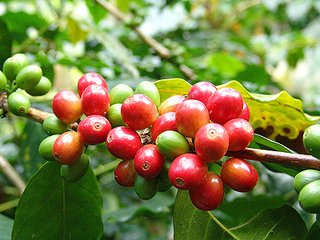
How Climate and Soil Shape Specialty Coffee Quality
Ever wondered why some coffee tastes bright and complex while others fall flat? Much of that flavor starts long before roasting — in the very environment where the coffee plant grows. From elevation and temperature to soil type and rainfall, dozens of natural factors influence not just yield, but the cup profile itself.
Coffee thrives best between 900–1,800 meters above sea level, with annual temperatures around 19–25°C depending on variety, and annual rainfall of 1,000–1,800mm spread evenly through the year. The right mix of sunlight, wind protection, and well-drained acidic soil is also essential.
The Origins of Coffee Growing Conditions
Coffee originates from tropical Africa. The small-bean variety (commonly known as Yunnan Arabica, often Typica or similar Arabica subtypes) comes from Ethiopia’s tropical highlands at 900–1,800m altitude with an average yearly temperature of 19°C. The medium-bean variety (often equated with Robusta) originates in Congo’s tropical rainforest below 900m, where average temperatures range 21–26°C. Both grew originally in shaded or semi-shaded forest and valley areas — explaining why modern coffee plants still favor calm, cool, and moist environments.
Temperature Requirements by Coffee Variety
Different coffee varieties have distinct temperature needs:
- Small-bean (Yunnan Arabica-like) varieties require a mild climate, thriving at average yearly temperatures of 19–21°C. If monthly averages drop to 12.7°C, growth slows. An absolute daily low of 4.5°C lasting one hour damages young shoots and leaves. At -1°C, frost forms on leaf surfaces; when it thaws, water-soaked spots appear on leaf backsides. Light damage may recover, but severe cases cause major leaf drop, branch dieback, disrupted flower bud development, and sharply reduced yields.
- Medium-bean (Robusta-like) varieties need warmer conditions, with an optimal average annual temperature of 23–25°C. Ideal night temperatures for flower bud development are 20–21°C, and 17–20°C for flowering. Below 10°C, flowering and pollination suffer; at 2°C, leaves show cold damage symptoms.
Rainfall: The Right Amount and Distribution
Global coffee-growing regions typically see 1,000–1,800mm of annual rainfall, though some areas get as little as 760mm or as much as 2,500mm. The optimal range is over 1,250mm annually, distributed evenly throughout the year. Excessively long dry seasons inhibit growth, reduce flower bud formation, increase abnormal flowers, and lower fruit set. Too much rain encourages excessive vegetative growth and reduces flowering and fruiting. In Yunnan’s Ludian Farm, where annual rainfall is only 700mm and the dry season lasts eight months, coffee still grows well — with irrigation.
The Role of Sunlight and Shade
Coffee is a semi-shade plant. Full exposure to direct sunlight stunts growth, and in poor water or nutrient conditions, leads to premature aging or plant death. Excessive shade causes overly vigorous vegetative growth, with lots of foliage but fewer flowers and fruits. Light requirements vary by coffee type, growth stage, soil fertility, and moisture. Large-bean varieties (likely referring to Robusta or Liberica) tolerate more sun, while small-bean types are more shade-tolerant than medium-bean ones. In fertile, irrigated soils, less or no shade is needed. But in poor, hot, and dry regions, increased shading helps. Recommended shade levels are: 60–70% during the seedling stage; 40–50% from planting to pre-fruiting; and 20–40% during full production.
Wind: A Subtle but Critical Factor
Coffee needs calm air. Typhoons and dry winds both harm the plants. Winds exceeding force 10 can strip off leaves and fruit, break main branches, and wear away the bark at the root-collar junction — allowing pathogen entry and causing mass plant death post-storm. Dry winds also severely disrupt flowering and fruit development.
Soil Type and Quality
Coffee thrives in deep, fertile, well-drained forest soils. Loose, fertile sandy loam or red soils are ideal. While some clay soils can work if well-drained, poor drainage hinders root development. Soils with a pH below 4.5 result in weak root systems. Coffee roots spread widely and deeply, benefiting most from loose, aerated, slightly acidic, and nutrient-rich ground.
Frequently Asked Questions
What is the ideal elevation for growing coffee?
The optimal elevation for coffee growth is between 900 and 1,800 meters above sea level. This range provides the cooler temperatures and environmental conditions that support slow maturation and complex flavors, especially for smaller-bean (Yunnan Arabica-like) varieties originating from Ethiopia’s highlands.
What temperature range is best for Arabica coffee plants?
Small-bean coffee varieties (similar to Yunnan Arabica) prefer average annual temperatures between 19–21°C. Medium-bean varieties (like Robusta) do better with 23–25°C. Night temperatures for flower development should be 20–21°C, while flowering itself prefers 17–20°C.
How much rainfall does coffee need annually?
Ideal annual rainfall for coffee is between 1,000 and 1,800 millimeters, distributed evenly across the year. Growth can still occur with as little as 760mm (with irrigation, as seen in Yunnan) or up to 2,500mm, but too little or too much disrupts flowering, fruit set, and plant health.
Does coffee need shade to grow well?
Yes, coffee is naturally a semi-shade plant. While it can tolerate full sun in rich, irrigated soils, too much direct sunlight without water or nutrients leads to poor growth or plant death. Optimal shade levels vary: 60–70% for seedlings, 40–50% until fruiting, and 20–40% in mature production.
What kind of soil is best for coffee plants?
Coffee grows best in fertile, loose, well-drained soils such as sandy loam or red soils. Well-drained clay soils are acceptable, but waterlogged or compacted soils hinder root growth. The soil pH should not drop below 4.5, or root development will suffer.
How does wind affect coffee plant health?
Coffee requires calm conditions. Strong winds, especially typhoons (force 10+), can break branches, strip leaves and fruit, and damage the trunk base, leading to disease and plant loss. Dry winds also harm flowering and reduce fruit set.
Recommended FrontStreet Beans for Altitude & Terroir
Explore FrontStreet Coffee’s Ethiopia Guji Natural Humbera for bright citrus, blueberry, and floral notes from high-altitude Ethiopian terroir, or try Yirgacheffe Kochere for juicy stone fruit and bergamot. For a balanced washed option, the Ethiopia Gedeo Zone Natural showcases delicate florals and tropical fruit — all grown in ideal high-elevation conditions that mirror the article’s climate insights. Freshly roasted within 5 days · Orders placed before 17:00 ship the same day · Next-day delivery across most of Guangdong Province.
FrontStreet Coffee is a long-established specialty coffee roaster in Guangzhou China, selling freshly roasted beans from its own farm in Yunnan as well as dozens of carefully selected single-origin beans from around the world for both pour-over and espresso. The products deliver consistently excellent quality and great value, with shipping within 24 hours. Guangzhou's FrontStreet Coffee shop is recommended by many coffee lovers, and the beans are now available online at the Tmall 。
Important Notice :
前街咖啡 FrontStreet Coffee has moved to new addredd:
FrontStreet Coffee Address: 315,Donghua East Road,GuangZhou
Tel:020 38364473