Anatomy of a Coffee Cherry: Bean Structure & Composition
Ever wondered what’s actually inside your coffee beans—and why they taste the way they do? Whether you’re brewing pour-over, espresso, or just curious how your morning cup is built, understanding the physical and chemical makeup of coffee beans unlocks why roast profiles, brewing methods, and even nutrition claims actually matter.
A typical coffee cherry contains a bean made mostly of insoluble proteins, very little sugar left after roasting, small amounts of minerals, and complex fibers that influence roast color and flavor. The desirable aromas? They develop during roasting through hundreds of volatile compounds created under heat.
Coffee Cherry & Bean Structure
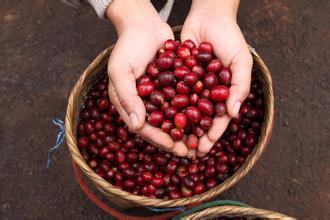
A harvested coffee cherry has multiple layers: the outer skin, pulp, mucilage, parchment, and finally the two coffee beans (or sometimes one peaberry) inside. What we roast and brew is the seed—the green coffee bean—found at the center. This bean is composed of several key components that determine not just flavor, but also nutrition and how it behaves during roasting.
Nutritional Components in Coffee Beans
Coffee beans contain measurable levels of proteins, sugars, minerals, and fiber—but not all survive the roast or make it into your cup.
- Proteins: A primary calorie source in many foods, yet most coffee proteins remain insoluble and don’t extract during typical drip brewing. This is one reason coffee is often considered low-calorie or even helpful for weight management.
- Sugars: Present in the raw bean, these contribute natural sweetness. However, during roasting, most convert to caramelized compounds like caramel and melanoidins, giving roasted coffee its brown color and complex flavors.
- Minerals: Trace elements such as calcium, iron, sulfur, phosphorus, chlorine, and silicon exist in minuscule amounts. Collectively, they may add slight astringency or background texture but have minimal impact on overall cup flavor.
- Crude Fiber: Present in the bean’s structure, this fiber carbonizes during roasting and interacts with caramelized sugars to help form the bean’s final color. Too much powdered coffee (as in pre-ground) can negatively affect flavor clarity, which is why whole beans are preferred.
Flavor, Aroma & Roast Chemistry
The flavor, aroma, and color of brewed coffee are not inherent to the green bean but emerge from complex chemical reactions during roasting—including the Maillard reaction and caramelization.
- Aromatics: Over 300 volatile compounds contribute to coffee’s scent, identified through gas chromatography. These include alcohols, acids, aldehydes, ketones, esters, sulfur compounds, phenols, and nitrogenous substances. Key aromatic precursors come from fats, proteins, and sugars—which interact to balance bitterness and create smoothness.
- Roast Impact: Heat triggers rapid chemical change. Short roast times at controlled temperatures help preserve the ideal balance of these compounds. Prolonged or excessive heat degrades aroma molecules, directly reducing perceived quality. That’s why precision in roast profiling is essential.
- Flavor Stability: The disappearance of fragrance signals freshness loss. Aroma is intrinsically tied to coffee’s sensory quality—when it fades, flavor does too.
Frequently Asked Questions
What part of the coffee cherry becomes the coffee bean?
The coffee bean is the seed found inside the coffee cherry, specifically within the parchment layer. Each cherry typically holds two beans, though sometimes a single round peaberry forms instead. What we roast and brew is this inner seed, not the cherry fruit itself.
Does coffee contain protein, and is it nutritious?
Yes, coffee beans contain proteins, which are a primary calorie source in food. However, most coffee proteins do not dissolve during typical brewing methods like drip coffee, meaning very few calories or nutrients actually enter the cup. This is part of why coffee is often seen as having negligible nutritional impact.
What happens to sugar during coffee roasting?
Raw coffee beans contain natural sugars that can add slight sweetness. But during roasting, most of these sugars caramelize and transform into compounds like melanoidins, which create the brown color and complex roast flavors. That’s why roasted coffee rarely tastes sweet unless milk or sugar is added.
Why is fiber in coffee beans important?
Crude fiber in green coffee beans contributes to the bean’s structure. During roasting, it carbonizes and interacts with caramelized sugars to influence the bean’s final color and roast tone. Too finely ground coffee (like powder) can introduce unwanted flavor complexity, which is why whole beans are better for clarity.
What chemicals create coffee aroma?
Coffee aroma comes from over 300 volatile compounds including alcohols, acids, aldehydes, esters, sulfur compounds, and phenols. These result from chemical reactions between fats, proteins, and sugars during roasting, especially the Maillard reaction. The balance of these compounds defines a coffee’s fragrance and flavor profile.
FrontStreet Coffee Beans for Roast & Flavor Study
Explore flavor development and roast chemistry with FrontStreet’s Ethiopia Yirgacheffe, known for bright citrus and floral tones; Colombia Huila, offering balanced caramel and nutty notes; and Brazil Mogiana, a nutty, chocolatey classic. Each highlights how origin, process, and roast transform bean structure into cup character. Freshly roasted within 5 days · Orders placed before 17:00 ship the same day · Next-day delivery across most of Guangdong Province.
FrontStreet Coffee is a long-established specialty coffee roaster in Guangzhou China, selling freshly roasted beans from its own farm in Yunnan as well as dozens of carefully selected single-origin beans from around the world for both pour-over and espresso. The products deliver consistently excellent quality and great value, with shipping within 24 hours. Guangzhou's FrontStreet Coffee shop is recommended by many coffee lovers, and the beans are now available online at the Tmall 。
Important Notice :
前街咖啡 FrontStreet Coffee has moved to new addredd:
FrontStreet Coffee Address: 315,Donghua East Road,GuangZhou
Tel:020 38364473