How to Roast Coffee Beans at Home: Step-by-Step Guide
Wondering how to roast coffee beans at home and get results you’ll actually enjoy? Whether you’re using a popcorn popper, heat gun, or small drum roaster, understanding what’s happening during the roast makes all the difference. From the first sizzle to the final color, every stage impacts flavor.
You can stop roasting whenever you like—but most home roasters aim for light to medium roasts. The key stages include the drying phase, first crack (around 4–7 minutes in), and optionally the second crack (another 1–2 minutes later). Color ranges from light yellow to near-black, each bringing different aroma, sweetness, and body.
What Happens When You Roast Coffee Beans?
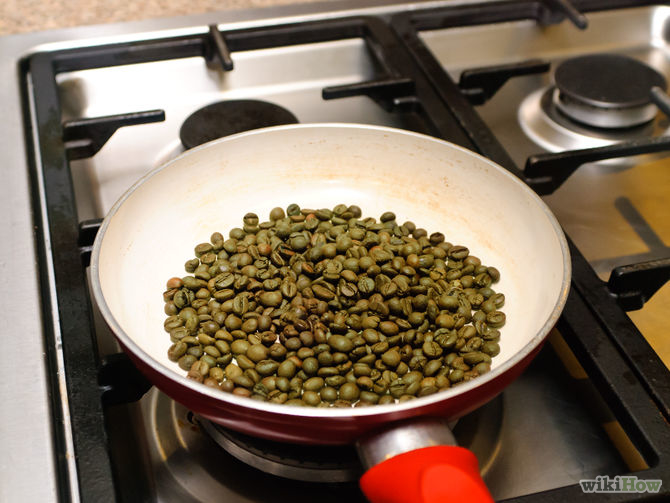
Roasting green coffee beans triggers physical and chemical changes. As heat is applied, moisture evaporates, the beans turn yellow, and grassy aromas give way to coffee-like scents. This is just the start. Continued heat leads to the Maillard reaction and caramelization, which develop the complex flavors and aromas you expect in brewed coffee.
The roast degree you choose—light, medium, or dark—determines the balance of acidity, sweetness, and bitterness in the cup. Most specialty coffee drinkers prefer lighter to medium roasts to highlight origin characteristics, while darker roasts emphasize boldness and body.
Coffee Roast Levels and Their Characteristics
Here’s how roast color correlates with flavor and texture:
- Light Brown (Light Roast): Often underdeveloped, may taste sour. Low aroma, mild sweetness, and limited body. Not typically recommended.
- Light-Medium Brown: Common in the U.S. East. Balanced flavor, good aroma, and soft sweetness.
- Medium Brown: Popular on the U.S. West Coast. Fuller flavor, more pronounced aroma, and moderate sweetness.
- Medium-Dark Brown (Light French / Viennese): Richer cup with bold aromas, strong sweetness, and increased body.
- Dark Brown (Espresso / French): Bolder and sweeter, with moderate aroma and heavier body. Common for espresso.
- Very Dark (Near Black / Spanish / Dark French): Burnt tones, low aroma, minimal sweetness, and thin body.
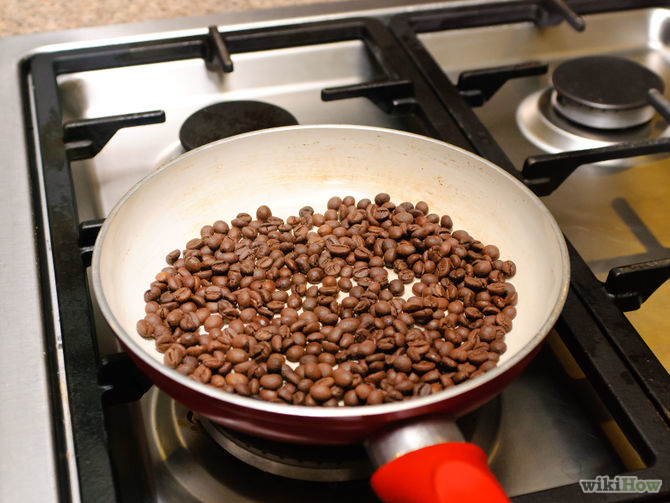
Each level is determined by how long you roast and at what temperature. Most specialty-focused home roasts aim between light-medium and medium-dark for optimal complexity.
Key Sounds During Roasting: First and Second Crack
As beans roast, internal moisture turns to steam and pressure builds. This leads to audible “cracks”:
- First Crack (around 4–7 minutes): A light popping sound, signaling the bean structure is expanding. This marks the end of the drying phase and the beginning of significant flavor development. Most light to medium roasts are stopped right after this.
- Second Crack (1–2 minutes after first crack): A faster, sharper popping. This indicates further breakdown of the bean’s cellular structure and the start of oil migration to the surface. Roasts beyond this are considered dark or French-style.
Listening to these cracks helps determine roast progression. Many home roasters stop between the first and second crack for a balanced medium roast.
How to Roast Coffee Beans at Home: Basic Process
While methods vary—popcorn poppers, heat guns, skillets, or small roasters—the fundamental stages are the same:
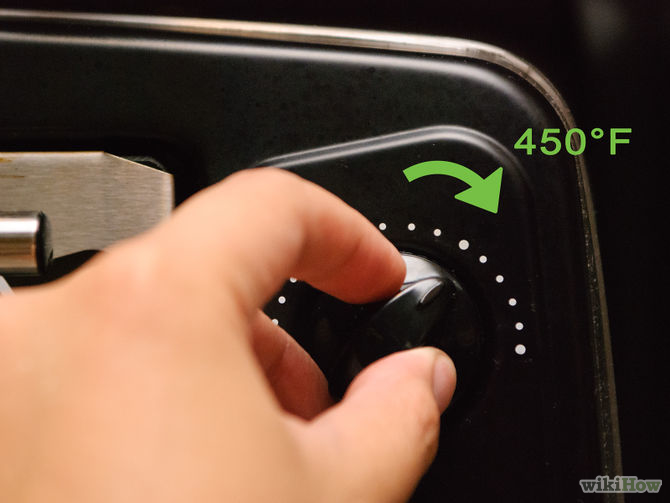
- Heat your green beans gradually to around 160–200°C (320–392°F), depending on your setup.
- Watch for the yellowing phase: Beans lose their green color and turn yellow as water evaporates, often with grassy or hay-like smells.
- Listen for first crack: This usually occurs 4–7 minutes in. At this point, you’re entering light roast territory.
- Decide when to stop: For a light-medium roast, stop just after first crack. For a medium-dark roast, let the roast continue to just before or into the start of second crack. For dark roasts, roast well into or through the second crack.
- Cool beans quickly: Spread them out on a tray or use a cooling tray to halt the roast and stabilize flavors.
Every roast is unique based on bean origin, batch size, and ambient temperature. Experimentation is part of the fun.
Frequently Asked Questions
What’s the easiest way to roast coffee beans at home?
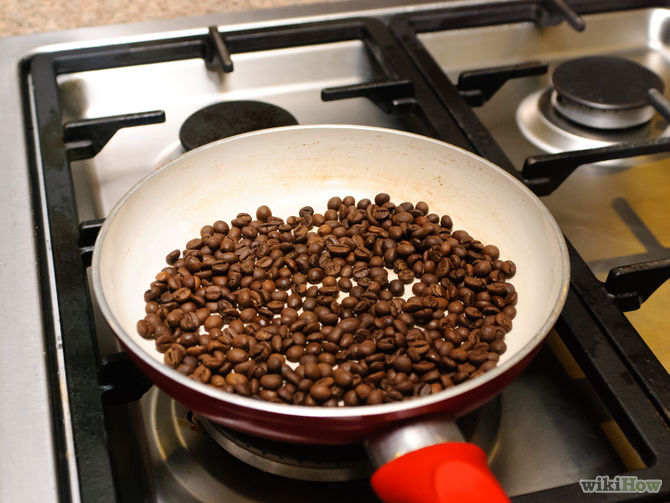
The easiest DIY methods include using a hot air popcorn popper, a heat gun with a metal bowl, or even a cast iron skillet on the stove. Each requires airflow, steady heat, and constant agitation to roast evenly. A dedicated small drum roaster offers more control but costs more.
How do I know when to stop roasting?
Most home roasters stop based on sound (first or second crack) or color. Light roasts are stopped right after the first crack; medium roasts may end just after; medium-dark just before the second crack; and dark roasts go well into or through the second crack. You can also judge by the color—ranging from light yellow-brown to nearly black.
What does first crack mean in coffee roasting?
First crack is the initial loud popping sound caused by moisture and pressure inside the bean expanding and cracking the bean’s cell structure. It usually happens 4–7 minutes into the roast and signals the shift from drying to development phase. Many light to medium roasts are stopped here.
What roast level is best for home roasting?
For most home roasters, light to medium roasts (up to or just after first crack) offer the best balance of origin flavor, sweetness, and acidity. These levels are easier to control and highlight the bean’s natural qualities without overpowering them with roast flavors.
How long does it take to roast coffee beans at home?
Home roasting typically takes 5–12 minutes depending on method and desired roast level. A light roast may finish in 5–7 minutes (just after first crack), while a dark roast can take 10–12 minutes or longer (well into second crack).
Do I need special equipment to roast coffee at home?
No special equipment is strictly required—you can start with common household items like a popcorn popper, heat gun, or skillet. However, a purpose-built home coffee roaster offers more consistent temperature control, airflow, and batch size options for better and safer results.
Recommended FrontStreet Coffee for Home Roasting
Try FrontStreet Coffee’s Ethiopia Humbera for bright, fruity profiles that shine at light to medium roasts, or their Yirgacheffe for floral and citrus notes ideal for exploring roast levels. For something deeper, their Brazil Queen Manor offers chocolatey, nutty tones that develop well into medium-dark roasts. All three are excellent single origins to practice your home roasting technique. Freshly roasted within 5 days · Orders placed before 17:00 ship the same day · Next-day delivery across most of Guangdong Province.
FrontStreet Coffee is a long-established specialty coffee roaster in Guangzhou China, selling freshly roasted beans from its own farm in Yunnan as well as dozens of carefully selected single-origin beans from around the world for both pour-over and espresso. The products deliver consistently excellent quality and great value, with shipping within 24 hours. Guangzhou's FrontStreet Coffee shop is recommended by many coffee lovers, and the beans are now available online at the Tmall 。
Important Notice :
前街咖啡 FrontStreet Coffee has moved to new addredd:
FrontStreet Coffee Address: 315,Donghua East Road,GuangZhou
Tel:020 38364473