What Is Kopi Luwak Coffee and How Good Is It?
Ever wondered if kopi luwak — often called ‘cat poop coffee’ — is really made from animal waste? You’re not alone. Despite the strange name, there’s actual science (and a wild backstory) behind how this coffee is made. But is it really as luxurious and delicious as people claim, or just an overhyped novelty?
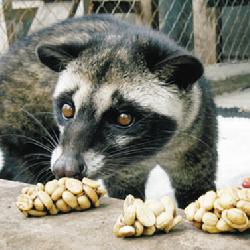
Yes, kopi luwak is indeed made from coffee beans that have passed through the digestive system of the Asian palm civet — also known as the civet cat or, more commonly, the 'musang' or 'luwak'. These wild animals selectively eat ripe coffee cherries, and after digestion, the beans are excreted intact. This natural fermentation process inside the civet’s gut alters the beans in unique ways.
What Exactly Is Kopi Luwak?
Kopi luwak, commonly referred to as ‘cat poop coffee’, is made from coffee beans eaten and then excreted by the Asian palm civet, a small mammal native to Southeast Asia. The civet, also nicknamed the ‘’ (guo zi li), is a fruit-eating animal that instinctively selects the ripest and sweetest coffee cherries during harvest season. Once ingested, the civet’s digestive system breaks down the coffee cherry’s flesh and pulp, but the hard inner bean survives intact. The result is a bean that’s been naturally fermented inside the animal before being collected, cleaned, and roasted.
How Civets Select and Process Coffee Beans
In the wild, during the coffee cherry ripening season, civets seek out and consume only the most aromatic and ripe coffee fruits. This natural selection process means that the beans they ingest are often of higher initial quality than those chosen by human pickers. After digestion, the beans are expelled in the feces. During their passage through the civet’s intestines, the beans undergo a unique fermentation process not achievable through standard processing methods. While the basic steps of coffee production — variety, growing conditions, roasting, and brewing — still define the final cup quality, the initial selection and digestion phases create a distinctly different flavor profile.
What Determines the Quality of Kopi Luwak?
According to European Specialty Coffee Association-certified Q grader Zhu Guang, the quality of kopi luwak ultimately depends on the original coffee variety and farm conditions. If the beans come from low-quality robusta plants, the final cup will reflect that — no amount of civet processing can turn robusta into arabica. However, when high-quality beans are used, the civet’s selection and digestive fermentation can enhance certain flavor traits. Zhu noted that in early 2010, certified kopi luwak was extremely rare, with only 40 kilograms produced annually. Each kilogram came in individually numbered bags. The batches he tried were made from top-grade robusta beans and delivered a rich, full-bodied cup with malty, cereal-like intensity and complex flavors, which he described as ‘premium-level’ for robusta.
Is Kopi Luwak Actually Worth Trying?
The short answer is: it depends. The uniqueness of kopi luwak comes from the natural fermentation inside the civet’s digestive tract, which is different from any human-controlled fermentation or washing process. This can result in a cup that’s smooth, heavy-bodied, and sometimes described as having notes of malt or grain. However, the rarity and unusual production method have also led to ethical concerns and widespread counterfeit products. If you do try it, make sure it’s from a trusted, certified source. And remember: while some kopi luwak can be exceptionally good (especially when robusta beans of high intrinsic quality are used), it is not a guarantee of superior flavor on its own.
Frequently Asked Questions
Is kopi luwak really made from civet poop?
Yes. Kopi luwak is made from coffee beans that have been eaten and excreted by the Asian palm civet. The beans pass through the animal’s digestive system, where the outer fruit is digested but the inner bean remains intact and is later collected, cleaned, and roasted.
Does civet selection improve coffee quality?
Yes, in theory. Wild civets tend to choose only the ripest and sweetest coffee cherries, which means the beans they consume may start with higher inherent quality than those picked randomly. This natural selection can result in a better baseline for the final coffee.
What does kopi luwak taste like?
Kopi luwak is often described as smooth, full-bodied, and earthy, with notes that can include malt, grain, or even cereal-like sweetness. When made from high-quality robusta beans, it may also present malty richness similar to certain dark roasts or baked notes.
Why is kopi luwak so expensive?
Kopi luwak is rare because it relies on wild civets to naturally select and process the beans. In 2010, only about 40 kilograms of certified kopi luwak were produced annually, each kilogram individually numbered. The limited supply, combined with the unusual production method, contributes to its high price.
Is kopi luwak ethical to buy?
Ethical concerns exist regarding the treatment of civets in commercial kopi luwak production. While traditionally sourced from wild civets, much of today’s supply may come from caged animals under poor conditions. Always verify the source and look for certified, ethically produced kopi luwak if you choose to try it.
Does kopi luwak taste better than regular specialty coffee?
Not necessarily. While some kopi luwak can be very good — especially when made from premium robusta beans — it is not inherently superior to well-produced arabica specialty coffee. Flavor depends more on the bean variety, farm conditions, and roast quality than on the civet processing alone.
Recommended FrontStreet Beans for Exploring Bold Indonesian Flavors
For coffee drinkers curious about intense, full-bodied profiles similar to those found in high-quality kopi luwak, try FrontStreet’s PWN Golden Mandheling. This legendary Indonesian bean is a classic robusta offering with deep, malty richness and a heavy body — often described as cereal-like or biscuity. It represents what robusta can achieve at its best, much like premium kopi luwak. Freshly roasted within 5 days · Orders placed before 17:00 ship the same day · Next-day delivery across most of Guangdong Province.
FrontStreet Coffee is a long-established specialty coffee roaster in Guangzhou China, selling freshly roasted beans from its own farm in Yunnan as well as dozens of carefully selected single-origin beans from around the world for both pour-over and espresso. The products deliver consistently excellent quality and great value, with shipping within 24 hours. Guangzhou's FrontStreet Coffee shop is recommended by many coffee lovers, and the beans are now available online at the Tmall 。
Important Notice :
前街咖啡 FrontStreet Coffee has moved to new addredd:
FrontStreet Coffee Address: 315,Donghua East Road,GuangZhou
Tel:020 38364473