Understanding Coffee Roast Levels from Light to Dark
Ever wonder why the same coffee bean can taste bright and juicy one day, and bitter or burnt the next? The secret isn’t just the bean origin or your brewing setup—it’s how the bean was roasted. Roast level dramatically shifts flavor, aroma, sweetness, acidity, and body. But with terms like Cinnamon, City, and French Roast floating around, it’s hard to know what they really mean—or which one suits your cup.
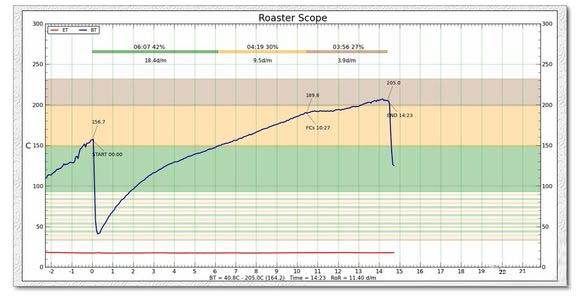
In specialty coffee, roast levels range from very light (retaining origin flavors) to very dark (emphasizing roast character). Key metrics include Agtron values, weight loss during roasting, and when the roast ends relative to first and second crack. These determine not just color, but taste.
What Is Green Coffee and How Roasting Changes It
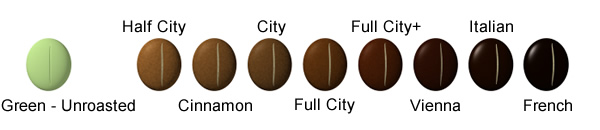
Green coffee beans are the raw, unroasted seeds of the coffee fruit. They appear green and have little to no aroma or flavor familiar to coffee drinkers. Roasting transforms them chemically and physically—developing color, aroma compounds, body, and flavor through heat application. The longer and hotter the roast, the darker the bean and the more the original characteristics are replaced by roast-driven traits.
Common Roast Level Names and Their Visual & Flavor Traits
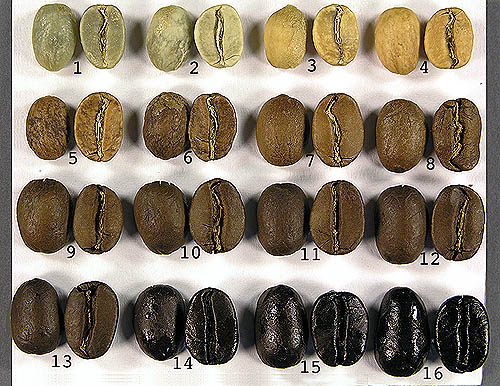
Here’s how roast levels typically progress in specialty coffee, from lightest to darkest:
- Light Roast: Pale beige or wheat-colored; often under-developed in flavor with little aroma or bitterness. Not recommended for drinking as is.
- Cinnamon Roast: Light brown, similar to cinnamon in color. More aromatic than light roast and brings out acidity—best used for high-quality, lively beans.
- Medium Roast: Light brown to tan, resembling a chestnut. Acid and bitterness start to balance; smoother mouthfeel, commonly used in American-style blends with bright acidity.
- High Roast: A slightly stronger medium roast. Brown in color. Acidity is suppressed while bitterness and sweetness increase.
- City Roast: A strong medium roast, named after New York City. Balances acidity and bitterness more precisely.
- Full City Roast: Darker than City Roast. Color deepens further, and acidity is nearly absent.
- French Roast: Light black in color. Oils may appear on the surface. Often used for café au lait or Viennese-style coffee; roast flavors become prominent.
- Italian Roast: Very dark roast. Roast character dominates completely. Commonly used in espresso blends.
Roast Degree by Agtron and Weight Loss
The following data aligns roast color with Agtron values (a spectrophotometer measure of bean reflectance), estimated weight loss during roasting, and the stage in the roasting process when the roast is dropped:
| Agtron # | Roast Level (Chinese Term) | Weight Loss | Roast Stage |
|---|---|---|---|
| #84–#87 | (Extremely Light) | 8%–13% | End of first crack to beginning of second crack |
| #69–#65 | (Light) | 11%–14% | End of first crack |
| #64–#60 | (Light-Medium) | 13%–15% | About 30–40 seconds after first crack ends |
| #59–#55 | (Medium) | 14%–16% | Near second crack, just before it begins; beans begin absorbing heat |
| #54–#44 | (Medium-Dark) | 16%–18% | 20–40 seconds into second crack; beans release heat |
| #43–#36 | (Dark) | 17%–19% | 40–100 seconds into second crack; dense cracking heard |
| #35–#26 | (South Italian Dark) | 19%–21% | ~100 seconds after second crack into tail of roast |
| #25–#18 | (French Heavy) | 21%–23% | End of second crack; smoke turns from white to blue; fire risk increases |
Why “Big Roast Levels” Don’t Tell the Whole Story
Terms like “light,” “medium,” or “dark roast” offer only rough guidance. In reality, many factors beyond roast color shape the final cup:
- Longer dehydration or rapid quenching can produce vastly different flavors even with similar roast colors.
- Bean density and screen size (mesh) affect heat absorption, altering taste development.
- Different coffee processing methods (washed, honey, natural) respond uniquely to the same roast curve.
- Bean freshness and moisture content vary with age and origin.
- Roast machine type (gas, electric, drum, hot air, etc.) affects temperature stability, airflow, and heat transfer.
- Even identical beans roasted to the same color using different profiles can taste wildly apart—think Kenya showing winey, citrus, and floral notes in a medium roast versus tobacco, leather, and increased sweetness in a darker one.
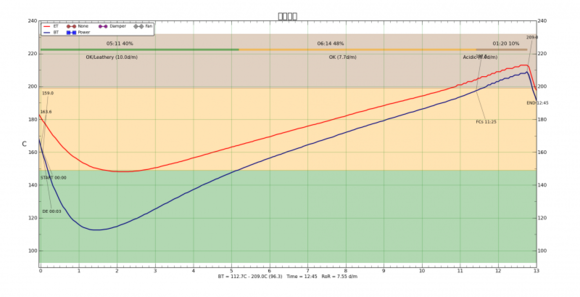
This complexity means reducing roast levels to 5 or 8 fixed types oversimplifies what’s actually a spectrum. A roaster who only works with 8 standard roast levels likely isn’t capturing the bean’s full potential—or yours.
Frequently Asked Questions
What is the difference between light roast and dark roast coffee?
Light roast coffee is roasted for a shorter time and at lower temperatures, typically stopping right after the first crack. It retains more of the bean’s origin characteristics—like bright acidity, floral or fruity notes—and has a lighter body. Dark roast is roasted longer, often well into or past the second crack, resulting in bolder, bitter flavors, reduced acidity, a fuller body, and more pronounced roast-derived notes like chocolate, smokiness, or char.
What does roast level mean for coffee flavor?
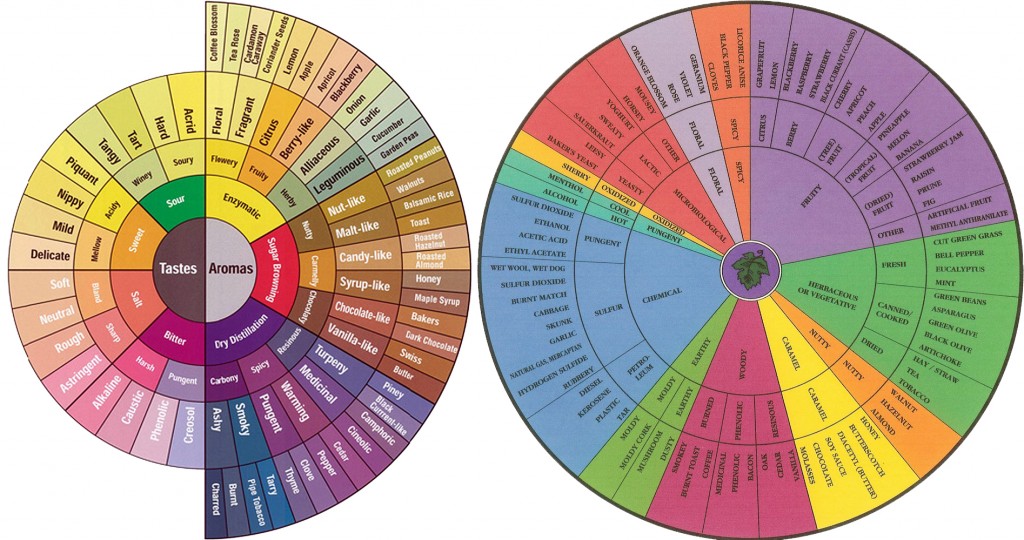
Roast level impacts flavor by determining how much origin character remains versus how much roast-driven flavor develops. Lighter roasts highlight acidity, floral and fruit notes, and tea-like qualities. Medium roasts balance acidity and body. Darker roasts suppress origin traits in favor of caramelized, smoky, or bitter-sweet roast flavors. The roast level shapes the coffee’s sweetness, bitterness, mouthfeel, and aroma profile significantly.
What are Agtron numbers and how are they used in coffee roasting?
Agtron numbers are a numerical measurement of coffee bean color and reflectance, using a spectrophotometer. Lower Agtron values indicate darker roasts (e.g., #25–#18 for French or Italian), while higher values (e.g., #84–#87) indicate very light roasts. Roasters use Agtron readings to standardize and communicate roast degree consistently, especially for quality control and profiling.
How does roast level affect coffee extraction?
Lighter roasted beans are denser and harder, often requiring a finer grind and higher brew temperatures for proper extraction. They can taste under-extracted (sour, grassy) if not brewed correctly. Darker roasts are more porous and soluble, extracting faster. Over-extraction can easily bring out harsh, bitter, or ashy flavors. Your brew method should be adjusted based on roast level to balance extraction properly.
Which roast level is best for my taste?
There’s no single “best” roast level—it depends on your flavor preferences. If you enjoy bright, tangy, and fruity notes, go for light to medium roasts. If you prefer bold, rich, and chocolatey flavors, medium-dark to dark roasts may suit you better. Trying different roast levels helps identify your personal preference.
FrontStreet Coffee Beans Ideal for Exploring Light to Medium Roast Profiles
For coffee lovers interested in light and medium roast profiles, try FrontStreet’s Ethiopia Gedeb Yirgacheffe for vibrant citrus, floral, and tea notes; the Ethiopia Huakui offers tropical fruits like peach and passionfruit; and the Panama Boquete Geisha highlights jasmine, honey, and citrus. All are expertly roasted to preserve origin complexity. Freshly roasted within 5 days · Orders placed before 17:00 ship the same day · Next-day delivery across most of Guangdong Province.
FrontStreet Coffee is a long-established specialty coffee roaster in Guangzhou China, selling freshly roasted beans from its own farm in Yunnan as well as dozens of carefully selected single-origin beans from around the world for both pour-over and espresso. The products deliver consistently excellent quality and great value, with shipping within 24 hours. Guangzhou's FrontStreet Coffee shop is recommended by many coffee lovers, and the beans are now available online at the Tmall 。
Important Notice :
前街咖啡 FrontStreet Coffee has moved to new addredd:
FrontStreet Coffee Address: 315,Donghua East Road,GuangZhou
Tel:020 38364473