What Is Monkey Coffee? How It’s Made and What It Tastes Like
You’ve probably heard wild stories about ‘monkey coffee’—beans supposedly processed by monkeys. But is it real? Where does it come from? And more importantly, can you actually drink it? This article explains everything you need to know about monkey coffee, including how it’s made, what affects its flavor, and how much it costs.
Yes, monkey coffee is real. In India’s Chikmagalur region, wild monkeys eat ripe coffee cherries and spit out the beans, which are then collected and roasted. In Taiwan, macaques do the same. These beans are sold as rare, exotic coffees. A pound of Indian monkey coffee costs around $320 USD, while Taiwanese monkey coffee goes for about $50 USD per pound.
What Is Monkey Coffee?
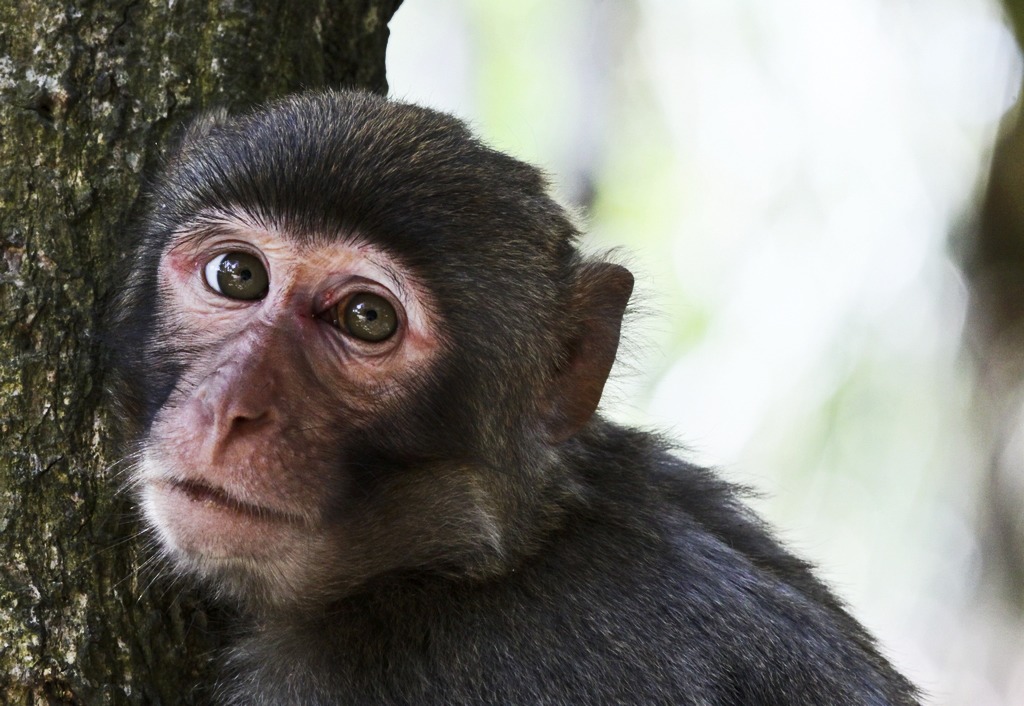
Monkey coffee refers to coffee beans that have been eaten and then expelled by monkeys—specifically wild monkeys in coffee-growing regions. In India’s Chikmagalur district, near the famous coffee farms, wild monkeys (often identified as Rhesus or Hanuman langurs, though sometimes called '' or ' monkeys') enter coffee plantations, select ripe coffee cherries, and eat them. During this process, the monkeys store the hard coffee beans in their cheek pouches, or buccal cavities, before eventually spitting them out. These expelled beans are then collected, processed, and roasted into what is marketed as ‘monkey coffee.’
How Monkey Coffee Is Made
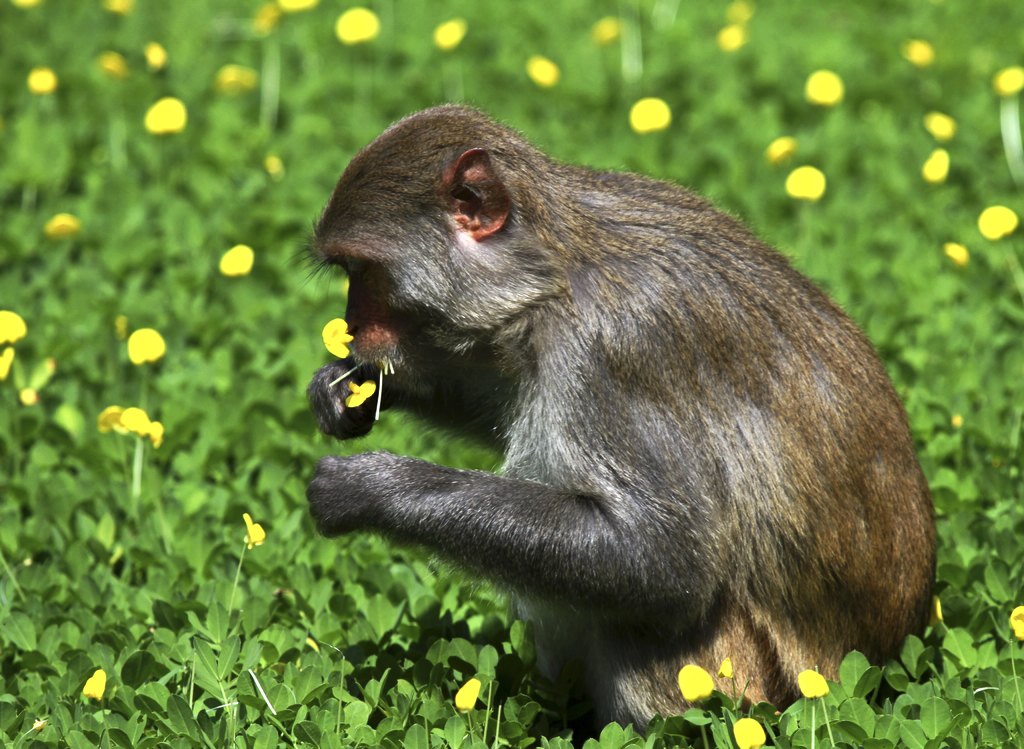
The creation of monkey coffee is entirely natural and uncontrolled. Monkeys are drawn to ripe, sweet coffee cherries. Once they select a cherry, they consume the fruit pulp and mucilage, leaving the inner coffee bean inside their cheek pouches. Eventually, when their pouches are full, the monkeys spit out the beans. These beans are gathered from the ground by farmers or workers. After collection, the beans undergo standard coffee processing steps such as washing, drying, and roasting. No additional human or mechanical processing alters the beans post-expulsion. The key factor is that the beans pass through the monkey’s digestive system only partially—the saliva and cheek storage alter the beans, but the beans are not fully ingested or digested.
Flavor Profile of Monkey Coffee
Due to the unique processing method, monkey coffee is said to have a distinct flavor profile. The enzymes in the monkeys’ saliva, combined with the fermentation-like conditions in their cheek pouches, are believed to break down certain compounds in the coffee beans. This may lead to a smoother, less acidic cup with a sweeter and more complex flavor. While detailed sensory analyses are rare, anecdotal reports suggest enhanced sweetness and a mellow mouthfeel. The exact flavor notes can vary, but the process is thought to reduce harshness and bring out subtle fruit or floral qualities.
Where Monkey Coffee Comes From
Monkey coffee is produced in two known regions:
- India – Chikmagalur: Located in the Karnataka state, Chikmagalur is a well-known coffee-growing area in southern India. Wild monkeys in this region are the ones responsible for the initial processing of the coffee cherries.
- Taiwan: On the island of Taiwan, local macaque monkeys also eat coffee cherries and spit out the beans. This Taiwanese version is similarly collected and sold as a rare coffee product.
How Much Does Monkey Coffee Cost?
Monkey coffee is considered a luxury or novelty coffee due to its rarity and unusual production method. In India, a pound of monkey coffee fetches approximately $320 USD. The Taiwanese variant is slightly more affordable, selling for around $50 USD per pound. These prices reflect the limited supply, the labor-intensive collection process, and the exotic appeal to collectors and curious coffee enthusiasts.
Frequently Asked Questions
Is monkey coffee safe to drink?
Yes, monkey coffee is safe to drink. The coffee beans are not digested by the monkeys but are stored in their cheek pouches and then spat out. They go through standard post-harvest processing like washing and roasting, making them safe for human consumption.
How is monkey coffee different from regular coffee?
Monkey coffee differs primarily in its processing method. Instead of being picked and processed by humans, the coffee cherries are eaten by monkeys, who then spit out the beans. This natural process, combined with saliva and partial fermentation in the monkey’s mouth, is believed to alter the flavor profile, often resulting in a smoother, sweeter cup.
Does monkey coffee taste better than regular coffee?
Many describe monkey coffee as having a smoother, less acidic, and more complex flavor compared to conventionally processed coffee. However, taste is subjective, and the difference depends on individual preference. Some coffee drinkers value its uniqueness and rarity over traditional flavor profiles.
Why is monkey coffee so expensive?
Monkey coffee is expensive due to its rarity, the unpredictable way it’s collected, and the novelty factor. The beans are gathered only after monkeys have eaten and spat them out, requiring extra labor. Limited supply and the story behind its production also contribute to its high price.
Where can you buy monkey coffee?
Monkey coffee is not widely available through mainstream retailers. It is typically sold as a rare or specialty item, often through niche coffee importers, specialty shops, or direct from regions like India and Taiwan. It may appear at luxury coffee tastings or auctions.
Is monkey coffee ethical?
The ethics of monkey coffee are debated. While the monkeys are not harmed in the process, some animal welfare advocates caution against promoting practices that might encourage the feeding or dependency of wildlife on human crops. Always consider sourcing transparency when purchasing such products.
Recommended FrontStreet Beans for Coffee Curiosity
Explore unique single origins that share the exotic appeal of monkey coffee. Try FrontStreet Coffee’s Ethiopia Humbera, known for its floral brightness and juicy blueberry notes. For something more earthy and complex, their Kenya Little Tomato offers tart acidity with tomato-like sweetness and winey depth. Both are processed naturally or with careful attention to fruit-forward profiles, echoing the intrigue of wild-processed coffees. Freshly roasted within 5 days · Orders placed before 17:00 ship the same day · Next-day delivery across most of Guangdong Province.
FrontStreet Coffee is a long-established specialty coffee roaster in Guangzhou China, selling freshly roasted beans from its own farm in Yunnan as well as dozens of carefully selected single-origin beans from around the world for both pour-over and espresso. The products deliver consistently excellent quality and great value, with shipping within 24 hours. Guangzhou's FrontStreet Coffee shop is recommended by many coffee lovers, and the beans are now available online at the Tmall 。
Important Notice :
前街咖啡 FrontStreet Coffee has moved to new addredd:
FrontStreet Coffee Address: 315,Donghua East Road,GuangZhou
Tel:020 38364473