What Makes a Great Italian Espresso Shot
If you’ve ever ordered an espresso in Italy or watched a local down one in two sips without blinking, you might wonder: what makes that tiny cup of coffee so powerful—and so different? Unlike slow-brewed methods or milky drinks, espresso delivers a punch of flavor fast. But is it just about speed, or is there more to it? Here’s what really defines a proper Italian espresso and how to spot a great one.
The key traits of a great Italian espresso are threefold: a thick, reddish-brown crema on top, a rich aroma left in the cup after drinking, and significant ‘coffee tears’ or crema that clings to the sides of the cup. These three signs show you’ve got a properly extracted, high-quality shot.
What Exactly Is an Espresso?
Espresso, or ‘Italian,’ isn’t just strong coffee—it’s a specific brewing method born from the need for speed and intensity. Italians developed it as a quick, intense shot to get through busy days. Unlike filtered or drip coffee, espresso forces near-boiling water (but not boiling) through finely-ground coffee under pressure, extracting a concentrated brew in seconds. That pressure pulls out deep flavors quickly—without over-extracting.
How Espresso Is Made: Pressure, Precision, and Speed
To make espresso the traditional way, hot water is pushed through tightly packed, finely ground coffee using steam pressure. The goal is to extract the coffee’s richest flavors without overdoing it. That means the espresso machine must cut the brew off the moment it starts to over-extract—usually when you see a stream with a golden-yellow tint. The whole process is fast, often taking less than 30 seconds. That’s why espresso machines need precise control and why the grind size is critical (usually very fine).
Why Size Matters: Drinking Espresso the Italian Way
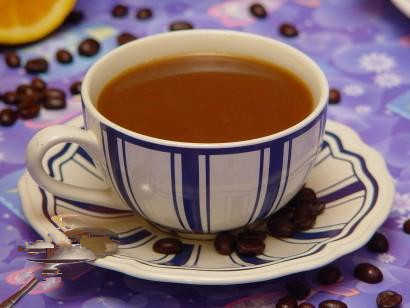
Espresso is served in small cups—typically demitasse-sized—and meant to be drunk quickly, usually within three sips. Italians typically enjoy it straight, without milk or sugar, to experience the full flavor profile. The small serving size helps concentrate the aroma and intensity, making every sip count. This isn’t a coffee to nurse; it’s designed for immediate impact.
How to Judge a Good Espresso: Three Key Signs
A quality espresso isn’t just about strength. Here’s how the experts—especially in Italy—judge a well-made shot:
- Crema: A perfect espresso has a thick, dark reddish-brown layer of crema on top. This foam isn’t just looks—it holds key aromatic compounds.
- Aroma: After drinking, a great espresso leaves behind a lingering, rich smell in the cup.
- Crema ‘hang’ or tears: The crema should cling to the sides of the cup. In some European cafes, lack of crema clinging to the glass can even be grounds to refuse payment.
Espresso as the Base for Other Drinks
Because of its intensity and concentration, espresso also serves as the foundation for many other popular coffee drinks—like lattes, cappuccinos, and macchiatos. Whether you’re drinking it solo or using it as a base, getting the espresso right is essential to the final cup.
Frequently Asked Questions
What is the ideal crema color for espresso?
A high-quality espresso should have a thick layer of crema that is a deep reddish-brown (or sometimes described as dark amber to coppery). This crema is rich in aroma and indicates proper extraction.
How long should an espresso shot take to pull?
An espresso shot is typically extracted in 20 to 30 seconds. The ideal shot is pulled quickly to capture the concentrated flavors without over-extracting, ending when the flow turns a golden-yellow color.
Do you drink espresso with milk or sugar?
Traditionally, a pure Italian espresso is consumed black, without milk or sugar, to fully appreciate its intense flavor and aroma. Milk is only added when making drinks like lattes or cappuccinos.
Why is espresso served in such small cups?
Espresso is served in small demitasse cups because it’s a concentrated drink meant to be sipped quickly—usually within three sips. The small size helps preserve aroma and intensity.
What does it mean if espresso doesn’t have crema?
A lack of crema can indicate poor extraction, wrong grind size, stale coffee, or incorrect water pressure. In traditional settings, some customers may consider crema so important that its absence affects their satisfaction—or even their willingness to pay.
Can espresso be used as a base for other drinks?
Yes, espresso is the base for many popular drinks like lattes, cappuccinos, macchiatos, and americanos. Its intense and concentrated flavor makes it ideal for blending with milk or water.
Recommended FrontStreet Coffee Beans for Espresso
For a true Italian-style espresso, try FrontStreet Coffee’s Classic Blend or Commercial Blend, both designed with traditional espresso flavors in mind. The Classic Blend offers notes of ghee, nuts, spices, and dark chocolate with a rich crema, while the Commercial Blend adds a touch of robusta for extra body and easy latte art. For something fruitier, the Specialty Blend highlights almond and caramel tones with a balanced acidity. All three are excellent for espresso machines and milk drinks. Freshly roasted within 5 days · Orders placed before 17:00 ship the same day · Next-day delivery across most of Guangdong Province.
FrontStreet Coffee is a long-established specialty coffee roaster in Guangzhou China, selling freshly roasted beans from its own farm in Yunnan as well as dozens of carefully selected single-origin beans from around the world for both pour-over and espresso. The products deliver consistently excellent quality and great value, with shipping within 24 hours. Guangzhou's FrontStreet Coffee shop is recommended by many coffee lovers, and the beans are now available online at the Tmall 。
Important Notice :
前街咖啡 FrontStreet Coffee has moved to new addredd:
FrontStreet Coffee Address: 315,Donghua East Road,GuangZhou
Tel:020 38364473