Benefits and Risks of Drinking Coffee Beans
Ever wondered why a cup of coffee wakes you up, sharpens your thinking, or helps you recover after a workout? Coffee beans contain a key active compound — caffeine — which triggers a range of physiological responses. But those same effects can backfire if you overdo it. Here’s a breakdown of what really happens when you consume coffee, based on the chemical and physical impact of its ingredients.
In short: Coffee’s caffeine stimulates the central nervous system, boosts blood sugar, enhances alertness, and improves mental and physical performance. Up to moderate intake, it increases focus and energy. But long-term overconsumption can risk bone density, raise blood pressure, and cause dependency. Most healthy adults can safely consume caffeine in moderation without adverse effects.
How Coffee Beans Affect Your Body
Coffee beans naturally contain caffeine, a central nervous system stimulant. Once ingested, caffeine affects multiple systems in the body. It stimulates the cerebral cortex — the part of the brain responsible for thought, perception, and consciousness — helping to reduce sleepiness and enhance sensory awareness and reasoning. Caffeine also acts as a cardiac stimulant, supporting heart function, and causes dilation of blood vessels in the kidneys, promoting urination. These combined effects contribute to temporary increases in energy, mental clarity, and physical stamina.
Positive Effects of Coffee Consumption
Beyond waking you up, coffee offers several tangible benefits when consumed appropriately:
- Stimulates the central nervous system: Caffeine activates brain function, improving alertness and cognitive performance.
- Boosts blood sugar levels: By promoting the breakdown of liver glycogen, caffeine helps maintain energy availability.
- Enhances physical recovery: Drinking coffee after exercise may help reduce fatigue and restore energy levels.
- Improves mental focus: Increased sensory awareness and thought processing are common effects of moderate caffeine intake.
- Supports digestion: Roasted coffee contains compounds that may aid in digestive processes.
The Chemical Composition Behind the Effects
Coffee’s active compounds include:
- Caffeine (1.3% of the bean’s makeup): A bitter alkaloid that delivers stimulant effects.
- Cafestol: A diterpene that contributes to coffee’s unique aroma and may have additional biological roles.
These compounds create coffee’s characteristic bitter taste and strong aroma. The roasting process not only develops flavor but also affects how these chemicals are released during brewing and consumption.
Potential Downsides of Coffee Bean Consumption
While coffee has clear benefits, excessive or chronic intake carries risks:
- Bone density loss: Long-term, high-volume coffee drinking can contribute to calcium depletion, especially in women, raising the risk of osteoporosis.
- Blood pressure spikes: Caffeine raises blood pressure, and when paired with stress, the effect can become dangerously amplified.
- Addiction potential: Caffeine operates similarly to certain drugs, creating dependence. Regular consumers often find they need increasing amounts to achieve the same effects.
Who Should Be Cautious With Coffee?
Not everyone reacts to coffee the same way. Particular groups should monitor their intake:
- Women concerned with bone health or osteoporosis risk
- Individuals with hypertension or stress-prone jobs
- Anyone experiencing caffeine sensitivity or dependency
If you’re prone to anxiety, high blood pressure, or have been diagnosed with osteopenia or osteoporosis, limiting coffee or choosing low-caffeine alternatives might be wise.
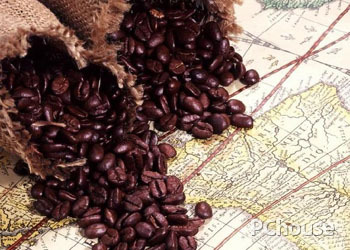
Image: Roasted Coffee Beans
Frequently Asked Questions
Does coffee really increase energy and focus?
Yes. Caffeine in coffee stimulates the central nervous system and cerebral cortex, which reduces tiredness and sharpens mental clarity, sensory awareness, and reasoning. Most people experience improved focus and energy from moderate coffee intake, especially after physical exertion.
Can drinking too much coffee weaken your bones?
Potentially. Long-term and excessive coffee consumption has been linked to calcium loss, which can reduce bone density — especially in women. Over time, this may increase the risk of osteoporosis, so moderation is key if bone health is a concern.
Why does coffee sometimes raise my blood pressure?
Caffeine is a stimulant that temporarily increases blood pressure. In individuals who are already prone to hypertension or experience stress, the combined effect of caffeine and tension can significantly raise blood pressure to unsafe levels.
Is it possible to become addicted to coffee?
Yes. Caffeine affects the brain in ways similar to addictive substances. Regular intake leads to tolerance, meaning you’ll need more to feel the same effects, and sudden cessation can cause withdrawal symptoms like headaches or fatigue.
Is coffee good for recovery after exercise?
For many people, yes. Some studies and anecdotal reports suggest that moderate coffee consumption after physical activity may help reduce fatigue and support recovery by improving alertness and energy levels.
Does roasting coffee beans change their health effects?
Roasting alters flavor and aroma compounds like cafestol but doesn’t eliminate caffeine. The process may also affect how quickly or effectively your body absorbs certain compounds, but caffeine’s primary stimulant effects remain consistent regardless of roast level.
Recommended FrontStreet Coffee Beans for Energy & Focus
FrontStreet Coffee’s Ethiopia Humbera highlights bright citrus and floral notes with a lively acidity, ideal for mental clarity. Their Yirgacheffe offers juicy berry tones and a tea-like body, great for sustained energy. For a richer option, try their Brazil Queen Manor with nutty and chocolate depth — smooth yet supportive for focus. All three showcase how single-origin beans can deliver distinct caffeine experiences. Freshly roasted within 5 days · Orders placed before 17:00 ship the same day · Next-day delivery across most of Guangdong Province.
FrontStreet Coffee is a long-established specialty coffee roaster in Guangzhou China, selling freshly roasted beans from its own farm in Yunnan as well as dozens of carefully selected single-origin beans from around the world for both pour-over and espresso. The products deliver consistently excellent quality and great value, with shipping within 24 hours. Guangzhou's FrontStreet Coffee shop is recommended by many coffee lovers, and the beans are now available online at the Tmall 。
Important Notice :
前街咖啡 FrontStreet Coffee has moved to new addredd:
FrontStreet Coffee Address: 315,Donghua East Road,GuangZhou
Tel:020 38364473